

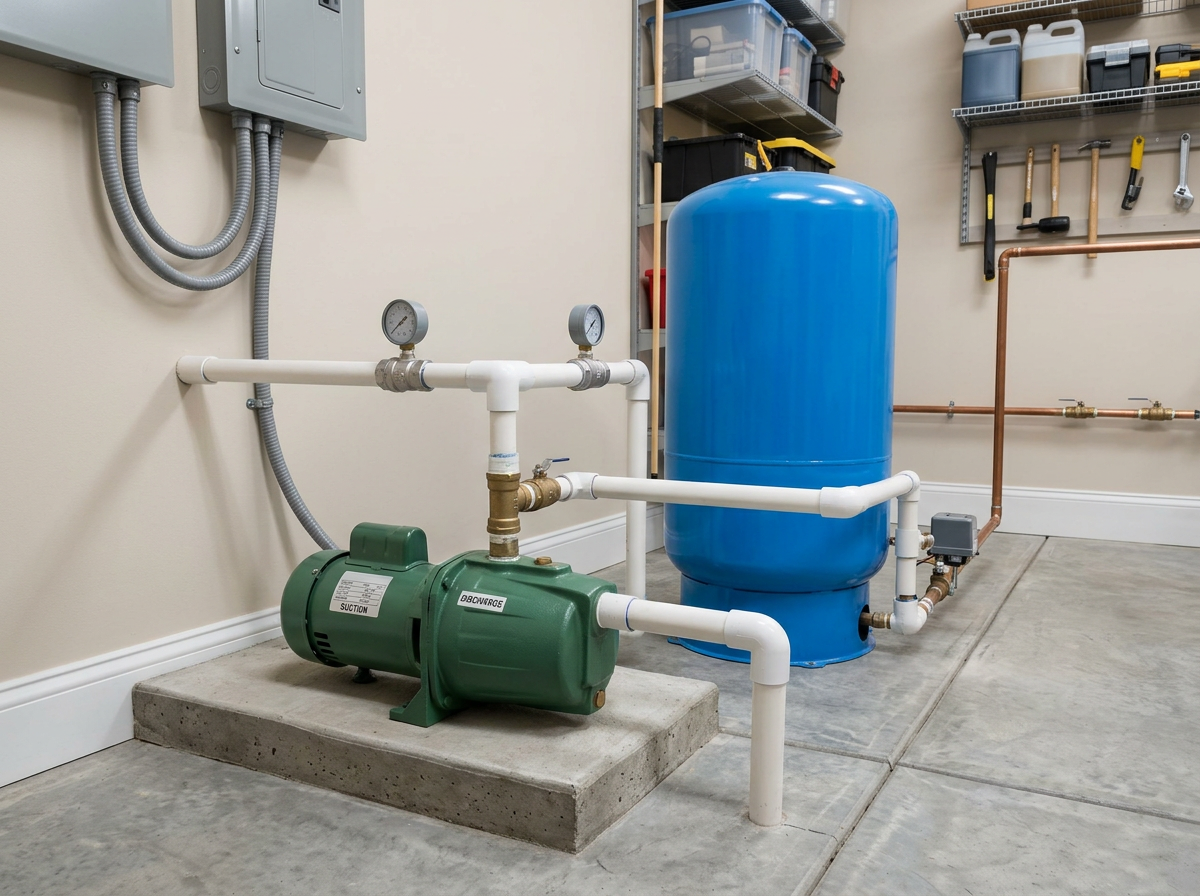
Introduction
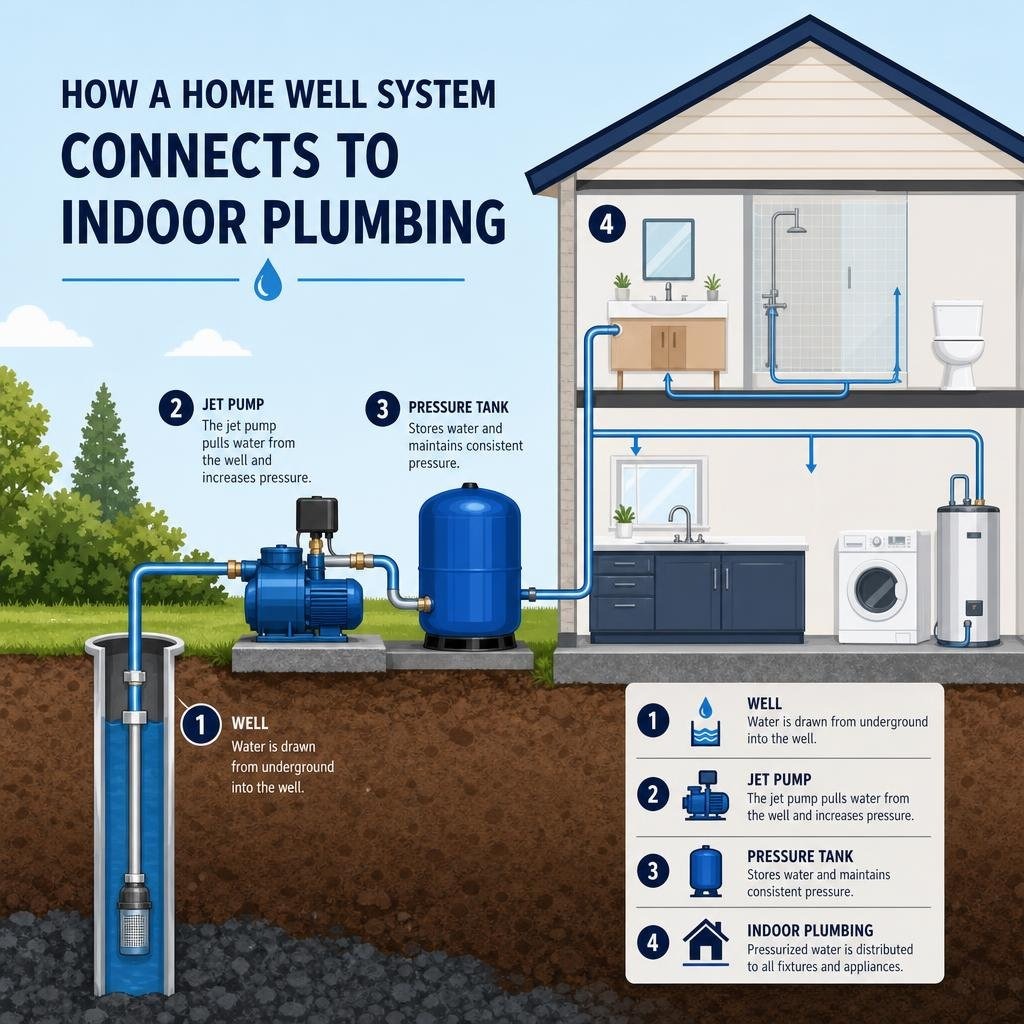
Nothing is more frustrating for homeowners than a sudden loss of water pressure or a complete water outage. For many, a reliable water supply depends on a hardworking jet pump. These vital components are the heart of a home’s well water system, moving water from the ground to your faucets.
Understanding how your jet pump works and recognizing signs of trouble can save you from significant inconvenience and costly repairs. We know that feeling of helplessness when the water stops. That is why we want to empower you with essential knowledge.
In this guide, we will explore the common issues that affect jet pumps, from low water pressure to complete failures. We will walk you through troubleshooting steps and explain critical safety precautions. You will learn how to identify problems, perform basic fixes, and understand when it is time to call a professional. For a comprehensive resource on maintaining your system, we recommend exploring a detailed Blair Norris jet pump repair guide. Our goal is to help you maintain a reliable and efficient water system for your home.
Understanding Your Home Plumbing and Water Systems
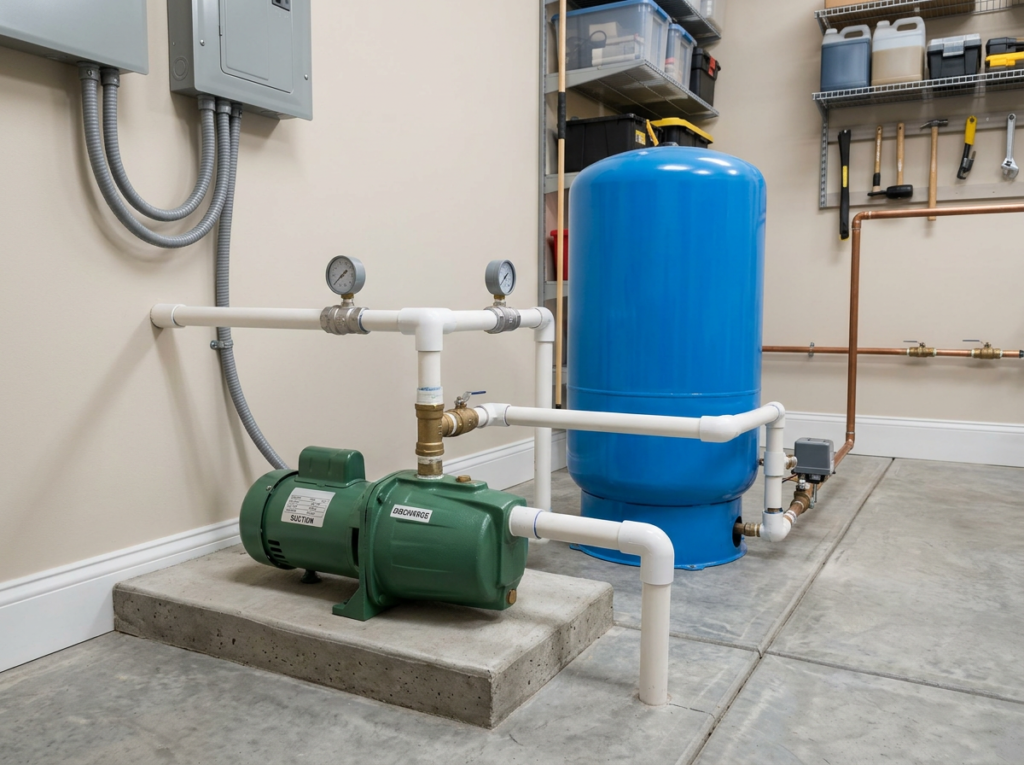
A functional water system is crucial for any home, especially those relying on private wells. At the core of many such systems is the jet pump, a mechanical device designed to draw water from an underground source and deliver it to your household plumbing. While the basic principle remains the same, jet pumps come in different configurations tailored to specific well depths. Understanding these differences and the key components involved is the first step toward effective maintenance and repair.
Shallow Well vs. Deep Well Jet Pumps
The primary distinction between jet pumps lies in their application for shallow versus deep wells. Shallow well jet pumps are typically used for wells where the water level is no more than 25 feet from the pump itself. They operate by creating a vacuum, relying on atmospheric pressure to “pull” water up from the well. This single-pipe system is relatively straightforward, with the pump usually located above ground, often in a utility room or basement.
Deep well jet pumps, on the other hand, are designed for wells exceeding 25 feet in depth, capable of lifting water from depths up to 110 feet. These systems employ a two-pipe setup, with a specialized jet assembly submerged within the well. The pump sends water down one pipe to the jet assembly, which then uses a venturi mechanism to create a low-pressure zone. This low pressure draws well water into the assembly, mixing it with the pumped water, and sending the combined flow back up the second pipe to the surface. The venturi effect allows deep well pumps to overcome the limitations of atmospheric pressure, making them suitable for greater depths. The repair needs often differ significantly between these two types due to their distinct configurations and locations of key components.
Key Components of a Jet Pump System
Regardless of whether it’s a shallow or deep well system, several core components work in concert to ensure water delivery:
- Impeller: This rotating component, driven by the electric motor, is responsible for creating centrifugal force. It generates high velocity in a confined area, leading to a low-pressure zone that lifts water. When worn, it directly impacts water pressure and flow.
- Pressure Switch: This critical component monitors the system’s water pressure. When pressure drops below a set “cut-in” point (indicating water usage), it activates the pump. Once the pressure reaches the “cut-out” point, the switch deactivates the pump. Faulty switches are a common cause of pump issues.
- Foot Valve: Located at the bottom of the suction line inside the well, the foot valve acts as a one-way check valve. Its primary function is to prevent water from flowing back into the well when the pump is off, thus keeping the suction line full and the pump primed. A failing foot valve is a frequent culprit behind a pump losing prime.
- Pressure Tank: This tank stores water under pressure, providing a buffer between pump cycles. It prevents the pump from short-cycling (turning on and off too frequently) and helps maintain consistent water pressure throughout the home. It contains an air bladder that separates the water from a cushion of compressed air.
- Diffusers: These stationary components are positioned around the impeller. They convert the high-velocity water created by the impeller into high-pressure water, directing it efficiently through the pump’s discharge.
- Electric Motor: The motor provides the power to spin the impeller. Issues with the motor, such as electrical malfunctions or bearing wear, can lead to complete pump failure.
Understanding these parts and their functions is essential for diagnosing problems and performing effective jet pump repair.
Common Jet Pump Failures and Water System Problems
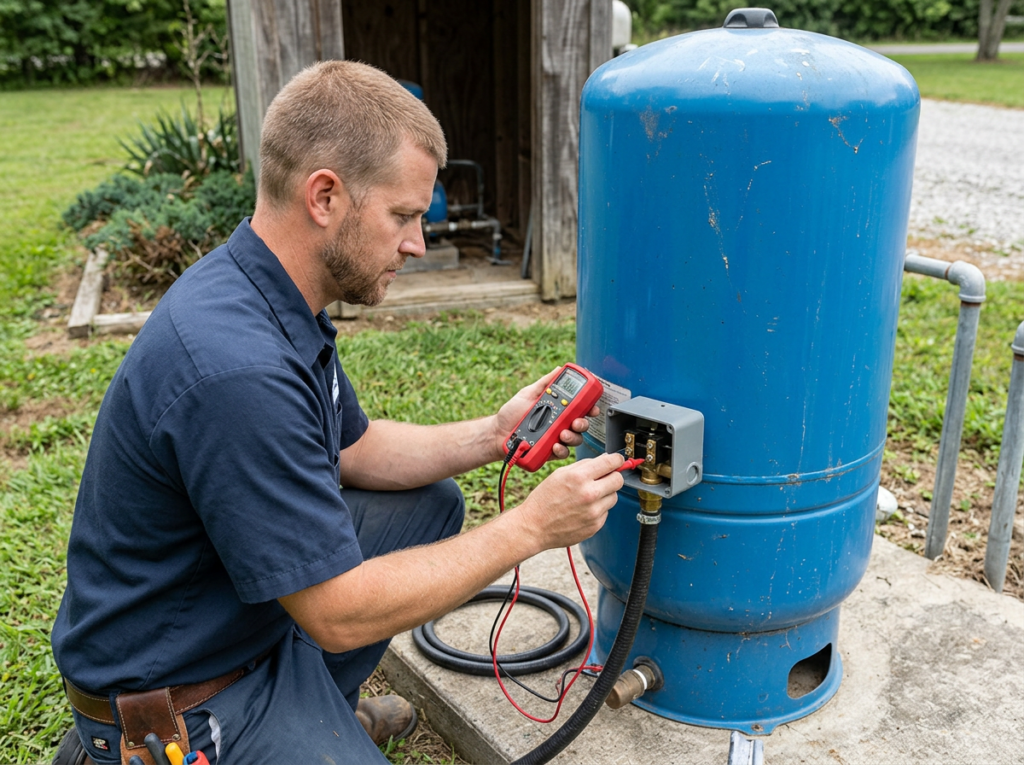
Even with proper maintenance, jet pumps can encounter various issues that disrupt your home’s water supply. Recognizing the symptoms of common failures early can help prevent more extensive damage and costly repairs. From a pump that won’t start to inconsistent water pressure, these problems often point to specific component malfunctions.
Why Jet Pumps Lose Prime and How to Fix It
One of the most frequent and frustrating issues with jet pumps is losing prime. A pump is “primed” when its suction line and casing are full of water, creating the necessary vacuum to draw more water from the well. When a pump loses prime, it runs but fails to deliver water. Common causes include:
- Air Leaks in the Suction Line: Even tiny leaks in the pipes leading from the well to the pump can allow air to enter the system, breaking the vacuum. These leaks can occur at pipe joints, fittings, or even small cracks in the pipe itself. To detect air leaks, you can apply a soapy water solution to all connections and fittings on the suction side while the pump is running; bubbles will indicate a leak. Sealing these leaks with appropriate pipe dope or replacing faulty sections is crucial.
- Faulty Foot Valve: As mentioned, the foot valve prevents water from draining back into the well. If it’s stuck open, clogged with sediment, or damaged, water will continually seep back, causing the pump to lose prime. Servicing a foot valve typically involves pulling it from the well, cleaning it, or replacing it if damaged.
- Low Water Level in the Well: If the well’s water level drops below the foot valve, the pump will naturally lose prime as it attempts to draw air. This can be a seasonal issue or indicative of a declining water table. In such cases, the pump may need to be lowered, or the well may need to be evaluated by a professional.
- Improper Priming Procedure: After repairs or maintenance, if the pump isn’t properly primed by filling its casing with water and ensuring all air is expelled, it won’t start pumping effectively. Always ensure the prime plug is securely tightened after priming.
To re-prime a jet pump, first, disconnect the power. Locate the prime plug on the pump casing (usually a small threaded plug). Remove it, and slowly fill the pump casing with clean water until it overflows. Replace the prime plug securely, then restore power to the pump. Listen for it to kick on and begin pumping water. If it loses prime repeatedly, a deeper investigation into air leaks or the foot valve is necessary.
Diagnosing Low Water Pressure and Flow Issues
Low water pressure is another common complaint that can stem from various sources within the jet pump system:
- Worn Impeller or Diffusers: Over time, the impeller blades can wear down due to abrasive particles in the water, or the diffusers can become damaged. This reduces the pump’s efficiency in creating pressure, leading to diminished flow. Cleaning or replacing these components can restore performance.
- Clogged Nozzle or Venturi (Deep Well Pumps): In deep well systems, the small openings of the nozzle and venturi in the jet assembly can become clogged with sediment or mineral buildup. This restricts water flow and impairs the venturi effect, severely impacting pressure. Servicing these components requires pulling the jet assembly from the well.
- Malfunctioning Pressure Switch: If the pressure switch is not calibrated correctly or its internal contacts are corroded, it might not be allowing the pump to reach its full cut-out pressure, resulting in consistently low system pressure. Adjusting the switch settings or replacing it can resolve this.
- Water-Logged Pressure Tank: A pressure tank with a ruptured or deflated air bladder will become “water-logged,” meaning it fills entirely with water without the air cushion. This causes the pump to short-cycle and can lead to erratic or low water pressure. The air charge in the tank should typically be checked and adjusted to 2 PSI below the pump’s cut-in pressure.
- Sediment Buildup in Pipes or Foot Valve: Accumulated sediment in the well, suction line, or foot valve can restrict water flow, leading to reduced pressure. Cleaning the foot valve or flushing the lines may be necessary.
Diagnosing low pressure often involves a systematic check of these components, starting with the easiest to access, such as the pressure switch and pressure tank, before moving to internal pump components or down-hole assemblies.
The Risks of DIY Repairs on Complex Water Systems
While the appeal of saving money on repairs is strong, attempting complex jet pump repairs without adequate knowledge or tools carries significant risks. A jet pump system involves both high-voltage electricity and pressurized water, making it potentially dangerous for the inexperienced.
Electrical and High-Pressure Hazards
Working with a jet pump exposes you to several critical safety concerns:
- Electrical Shock: Jet pumps operate on 120V or 240V electricity, which can be lethal. Incorrect wiring, damaged insulation, or even wet hands can lead to severe electrical shock. Always disconnect power at the circuit breaker and verify with a voltage tester before touching any electrical components. Capacitors, often found in pump motors, can store a significant electrical charge even after power is disconnected and must be discharged safely.
- High-Pressure Water: The water within the system, especially in the pressure tank and discharge lines, is under considerable pressure. Improperly loosened fittings or components can result in a sudden, forceful release of water, potentially causing physical injury or water damage. Always relieve system pressure before disassembling any part of the plumbing.
- Physical Injury: Moving parts within the pump, such as the impeller, can cause injury if the pump is accidentally activated during repair. Sharp edges on components or heavy lifting without proper technique also pose risks. Wearing appropriate personal protective equipment (PPE), including safety glasses, gloves, and sturdy footwear, is crucial.
The Cost of DIY Mistakes vs. Professional Value
Beyond the immediate safety risks, DIY mistakes can lead to more expensive problems down the line. An improperly diagnosed issue might lead to replacing the wrong part, leaving the original problem unresolved. Incorrect reassembly can cause leaks, further damage to the pump, or even void existing warranties. The specialized tools required for many jet pump repairs—such as impeller pullers, seal drivers, or specific electrical testing equipment—can be costly to purchase for a single repair. A complete jet pump repair tool kit, for instance, can represent a significant upfront investment.
Conversely, engaging a professional well pump specialist offers distinct advantages. They possess the expertise, experience, and specialized tools to accurately diagnose problems and perform repairs safely and efficiently. While there’s an upfront cost for professional service, it often translates into long-term savings by ensuring the repair is done correctly the first time, extending the pump’s lifespan, and preventing costly secondary damage. They also carry liability insurance, protecting you from any unforeseen issues.
Here’s a comparison of DIY repair costs and risks with professional service benefits:
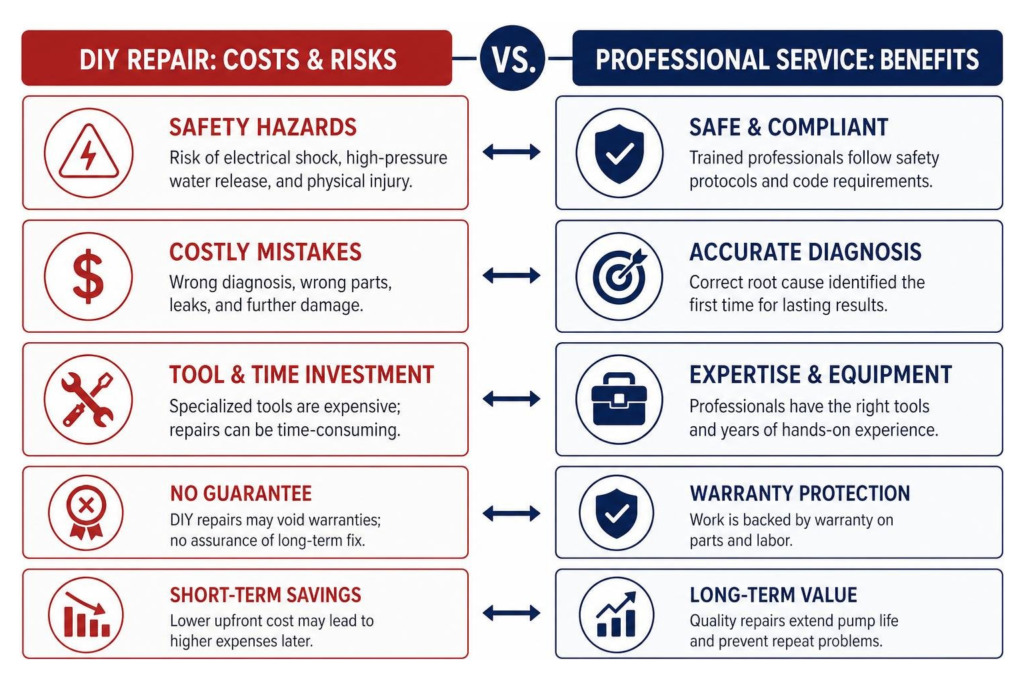
Choosing a professional ensures not only the safety of the repair but also the long-term reliability of your water system.
Selecting the Right Service Partner for Your Water System
When faced with jet pump issues, deciding whether to tackle the problem yourself or call a professional is a critical choice. Given the complexities and potential hazards, choosing a qualified service partner can provide peace of mind and ensure your water system is restored to optimal function safely and efficiently.
What to Look for in a Well Pump Specialist
Not all plumbers or contractors have specialized expertise in well pump systems. When selecting a professional for your jet pump repair, consider the following:
- Certified Technicians: Look for companies with technicians specifically trained and certified in well pump systems. This indicates a higher level of knowledge and adherence to industry best practices.
- Local Experience: A local company will be familiar with the regional geology, water quality issues, and common well system configurations in your area. They often have a better understanding of local regulations and can respond more quickly.
- Stocked Trucks: A well-equipped service truck means technicians can often diagnose and complete repairs on the first visit, minimizing downtime for your water supply. Many reputable services boast that they can complete a high percentage of repairs on the spot.
- Rapid Response and Emergency Service: Water outages are emergencies. A reliable service partner should offer prompt response times and, ideally, 24/7 emergency services for critical situations.
- Transparent Pricing and Service Guarantees: Look for companies that provide upfront pricing and clear explanations of the work needed. Guarantees on their work and parts offer additional protection and confidence in their service.
- Specialization in Water Systems:Some companies specialize specifically in well pumps, water treatment, and related systems, rather than general plumbing. Their focused expertise can be invaluable for complex jet pump issues.
Good, Better, and Best Solutions for Pump Upgrades
Sometimes, repair isn’t the most cost-effective or long-term solution, especially for older pumps (e.g., those over 10 years old) or those requiring frequent repairs. A professional can help you evaluate whether to repair or replace, and guide you through upgrade options:
- Good: Standard Single-Stage Jet Pump Replacement: If your existing jet pump is old or severely damaged, a direct replacement with a similar model is a straightforward solution. Modern single-stage pumps are generally more energy-efficient than older units. This is a good option if your current system meets your needs and the well depth is appropriate.
- Better: Multi-Stage Jet Pump or Convertible Jet Pump: For slightly deeper wells or situations requiring a bit more pressure, a multi-stage jet pump offers improved performance and efficiency. Convertible jet pumps provide flexibility, allowing them to be configured for either shallow or deep well applications, offering adaptability if well conditions change.
- Best: Constant Pressure Systems (Variable Speed Drives): For homeowners seeking optimal water pressure and efficiency, a constant pressure system, often utilizing a variable speed drive (VSD), is an excellent upgrade. Instead of cycling on and off, a VSD adjusts the pump’s motor speed to match water demand, providing consistent pressure throughout your home. This reduces pump wear, saves energy, and eliminates pressure fluctuations, offering a superior user experience. While the initial investment is higher, the long-term benefits in comfort and efficiency are significant.
A knowledgeable well pump specialist can assess your specific needs, well conditions, and budget to recommend the most appropriate solution for your home, ensuring reliable water for years to come.
Your Local Central Indiana Provider: Blair & Norris
For homeowners in Central Indiana, ensuring a reliable and efficient water system is paramount. Blair & Norris stands as a trusted partner, offering comprehensive well drilling, pump repair, and water system services backed by decades of experience. Our commitment to quality and customer satisfaction has made us a leading choice for residential water solutions in the region.
Advanced Drilling and Clean Mud Recycling Technology
At Blair & Norris, we are dedicated to employing the most effective and environmentally responsible methods in our operations. Our use of advanced drilling techniques is complemented by cutting-edge technology like the Mud Puppy mud recycling systems. These innovative systems allow us to efficiently clean and reuse drilling fluids on-site. This not only enhances the efficiency of our drilling processes but also significantly reduces water consumption and minimizes our environmental footprint. By recovering and recycling drilling mud, we ensure a cleaner work site and contribute to the preservation of Central Indiana’s natural resources, reflecting our commitment to sustainable practices in water systems management.
Trusted Local Service Backed by Homeowners
Our reputation in Central Indiana is built on a foundation of reliable service and satisfied customers. We understand the unique challenges and needs of local homeowners, and our team is committed to providing solutions that are both effective and tailored to your specific situation. Our dedication to excellence is consistently reflected in positive feedback, as evidenced by our strong Blair & Norris Google Reviews. We encourage prospective clients to review these testimonials to see why so many homeowners trust us with their critical water systems. Furthermore, we operate with full transparency, and information about well installations can often be found through resources like the Indiana Department of Natural Resources Water Well Record Database, providing an additional layer of confidence in our professional standards.
Frequently Asked Questions about Plumbing and Water Systems
Homeowners often have many questions about their well water systems and jet pumps. Here, we address some of the most common inquiries to help you better understand and maintain your home’s water supply.
How long do residential jet pumps typically last?
With proper installation and consistent maintenance, a residential jet pump typically has a lifespan of 10 to 15 years. Factors such as water quality (e.g., presence of abrasive sediment), frequency of use, and the quality of the initial installation can all influence this duration. Pumps operating in harsh conditions or those that are frequently short-cycling may experience a shorter lifespan. Regular checks and addressing minor issues promptly can help extend the life of your pump. If your pump is approaching or exceeding 10 years of age and experiencing frequent breakdowns, replacement often becomes a more economical choice than ongoing repairs.
What are the signs of a failing pressure switch?
A failing pressure switch can cause a variety of noticeable issues with your water system. Common signs include:
- Short Cycling: The pump turns on and off too frequently, even when there’s minimal water usage. This is often due to corroded or pitted contact points within the switch, or incorrect pressure settings.
- Pump Not Starting: If the pump fails to turn on when water pressure drops, the pressure switch might not be making proper contact, preventing the motor from engaging.
- Pump Not Shutting Off: Conversely, if the pump runs continuously, it could indicate that the switch isn’t sensing the cut-out pressure or its contacts are stuck, leading to excessively high pressure or a pump that simply won’t stop.
- Erratic Pressure: Inconsistent water pressure throughout your home can sometimes be traced back to a faulty pressure switch that isn’t accurately reading or maintaining the desired pressure range.
Before replacing a pressure switch, always ensure the power is disconnected and verify the actual system pressure with a separate gauge, if available, to confirm the switch’s readings.
How often should a home water well system be inspected?
We recommend an annual professional inspection for your home water well system. This routine maintenance allows technicians to identify potential issues before they escalate into major problems. During an inspection, professionals typically check:
- Pump performance: Assessing pressure, flow rates, and electrical draw.
- Pressure tank air charge: Ensuring it’s correctly set (2 PSI below cut-in pressure) to prevent short-cycling.
- Water quality: Testing for common contaminants, especially if you notice changes in taste, odor, or color. For more information on private well water, homeowners can consult resources like the Indiana Department of Environmental Management Private Well Water Info.
- Foot valve and suction line integrity:Looking for signs of air leaks or blockages.
- Electrical connections: Ensuring they are secure and free from corrosion.
- Overall system components:Checking for wear, leaks, or damage.
Proactive maintenance not only extends the life of your jet pump and well system but also ensures a consistent supply of safe, clean water for your household.
Conclusion
A well-functioning jet pump is the unsung hero of many homes, quietly ensuring a steady flow of water for all daily needs. Understanding its operation, recognizing the early signs of trouble, and knowing when to call in the experts are crucial steps toward maintaining a reliable and efficient water system. While basic troubleshooting and minor repairs can be empowering for the DIY-savvy homeowner, the inherent electrical and high-pressure hazards of jet pump systems often warrant professional intervention.
By prioritizing safety, investing in preventative maintenance, and partnering with experienced well pump specialists, you can ensure your home’s water supply remains uninterrupted and your system operates optimally for years to come. Don’t let a failing pump disrupt your life; be proactive, stay informed, and always opt for professional estimates when facing complex issues. Your peace of mind, and your home’s water pressure, are worth it.
- 6 Bathroom Renovation Resources Spokane Homeowners Can Use for Safer, Easier-Care Spaces
- How R&D Center Helps People Find Personalized Drug Treatment in Philadelphia, Pennsylvania
- How Play Builds School Readiness for Preschoolers in Greensboro, North Carolina
- How to Choose the Right Way to Sell a House in Fayetteville, North Carolina
- Navigating Mental Health Resources and Therapy Options