

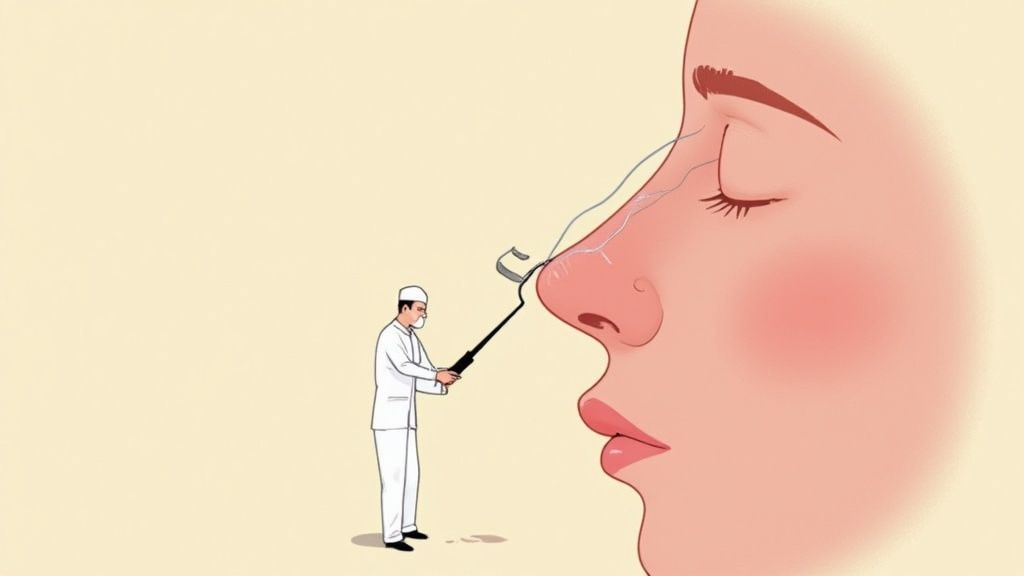
A deviated septum occurs when the thin wall separating your nasal passages is displaced to one side. This displacement makes one nasal passage smaller than the other. While many people have some degree of deviation, severe cases can significantly block airflow. This blockage can cause persistent breathing difficulties and nasal congestion. When airflow is restricted, it can subtly or overtly influence your overall quality of life, and understanding these effects is the first step toward finding relief and improving daily comfort.
How Daily Life is Affected
The consequences of a deviated septum often extend beyond simple nasal congestion. It can alter how you sleep, exercise, and function throughout the day. These disruptions may seem minor individually, but they can accumulate over time.
- Sleep Quality: You may experience frequent waking or trouble falling asleep due to restricted breathing.
- Physical Activity: Exercise might become difficult if you cannot breathe efficiently through your nose during exertion.
- Focus and Energy: Poor sleep often leads to daytime fatigue, which can affect concentration at work or school.
- Recurring Discomfort: You may experience frequent facial pain or headaches that disrupt your daily routine.
- Social Interactions: Loud breathing during sleep or congestion can make some social situations uncomfortable.
When Nasal Congestion is a Problem
Not every deviated septum requires attention or intervention, but certain signs suggest the condition is affecting your well-being. If you notice persistent symptoms such as trouble breathing through your nose, poor sleep, frequent sinus infections and nasal congestion, reduced stamina during activities, or recurring headaches, it may be time to seek professional advice. Recognizing these issues helps you determine when a specialist’s guidance could make a meaningful difference. By addressing a problematic deviated septum, many people notice smoother, more consistent airflow, experience deeper, more restorative sleep, and may benefit from improved sinus drainage, which lessens the likelihood of recurrent infections. Better oxygen intake can enhance performance during daily activities, while relieving sinus pressure often leads to fewer headaches. By paying attention to these signs, you can take proactive steps to improve your comfort and quality of life.
What Can Help
There are several ways to manage the symptoms associated with a deviated septum. Some people find relief through non-invasive methods; nasal strips can help open nasal passages during sleep. Using a humidifier adds moisture to the air, which can soothe dry nasal tissues. Saline sprays are also effective for keeping nasal passages clear and reducing congestion. In some cases, medications like decongestants or antihistamines may be recommended to manage swelling. Lifestyle adjustments, such as elevating your head while sleeping, might also improve airflow.
Consult with a Specialist Today
If your symptoms persist despite home remedies, it is time to see a specialist. An ear, nose, and throat (ENT) doctor can provide a thorough examination, and they can determine the severity of the deviation and recommend the best course of action. This might include continued medical management or a discussion of surgical options, such as septoplasty. A specialist can offer personalized advice tailored to your specific needs. Taking this step can lead to a healthier, more comfortable life. Schedule an appointment to discuss your symptoms and explore your options.