

Energy-Based Innovations: Laser-Coring and Fractional Sub-Ablation
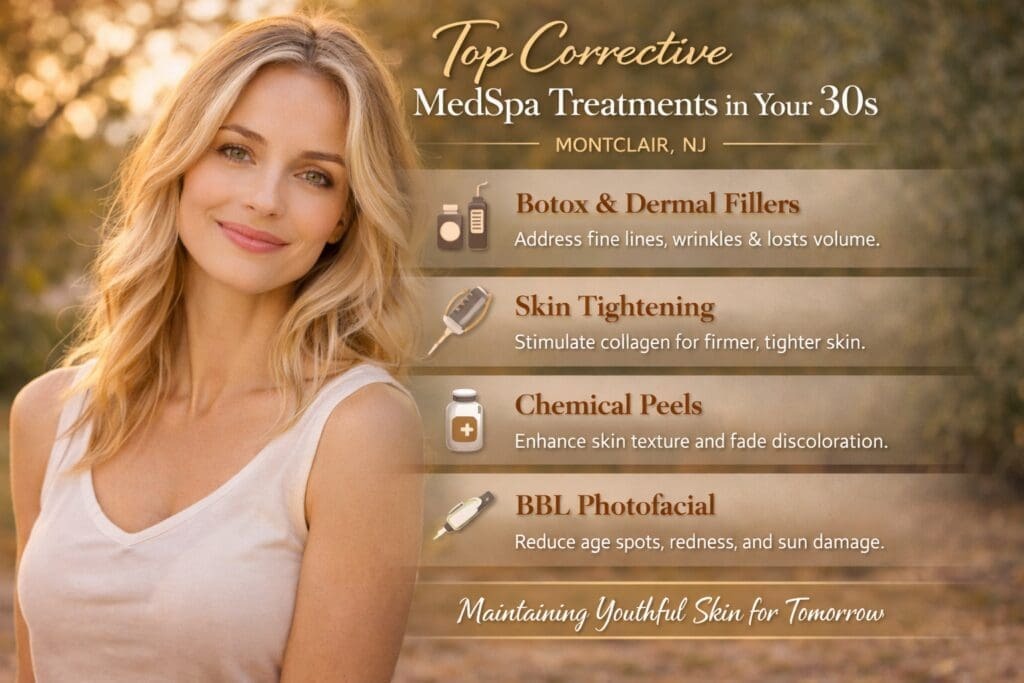
The pursuit of radiant, youthful skin has always driven innovation. In recent years, we have seen a remarkable evolution in cosmetic treatments. Gone are the days when significant results always meant invasive surgery or long recovery times. Today, patients seek solutions that are not only effective but also offer natural-looking outcomes with minimal downtime.
This demand has led to the rise of truly advanced cosmetic treatments. These new approaches focus on stimulating the body’s own regenerative processes. They rebuild skin health from within, rather than just treating surface concerns.
In this guide, we will explore some of these groundbreaking technologies. We will look at how they differ from older methods and what makes them stand out. From precision laser techniques to regenerative injectables, we will cover treatments designed to transform your skin. We will also discuss who can benefit most and what to expect from these modern procedures. For those considering such options, consulting with a reputable medical aesthetics company is a vital first step.

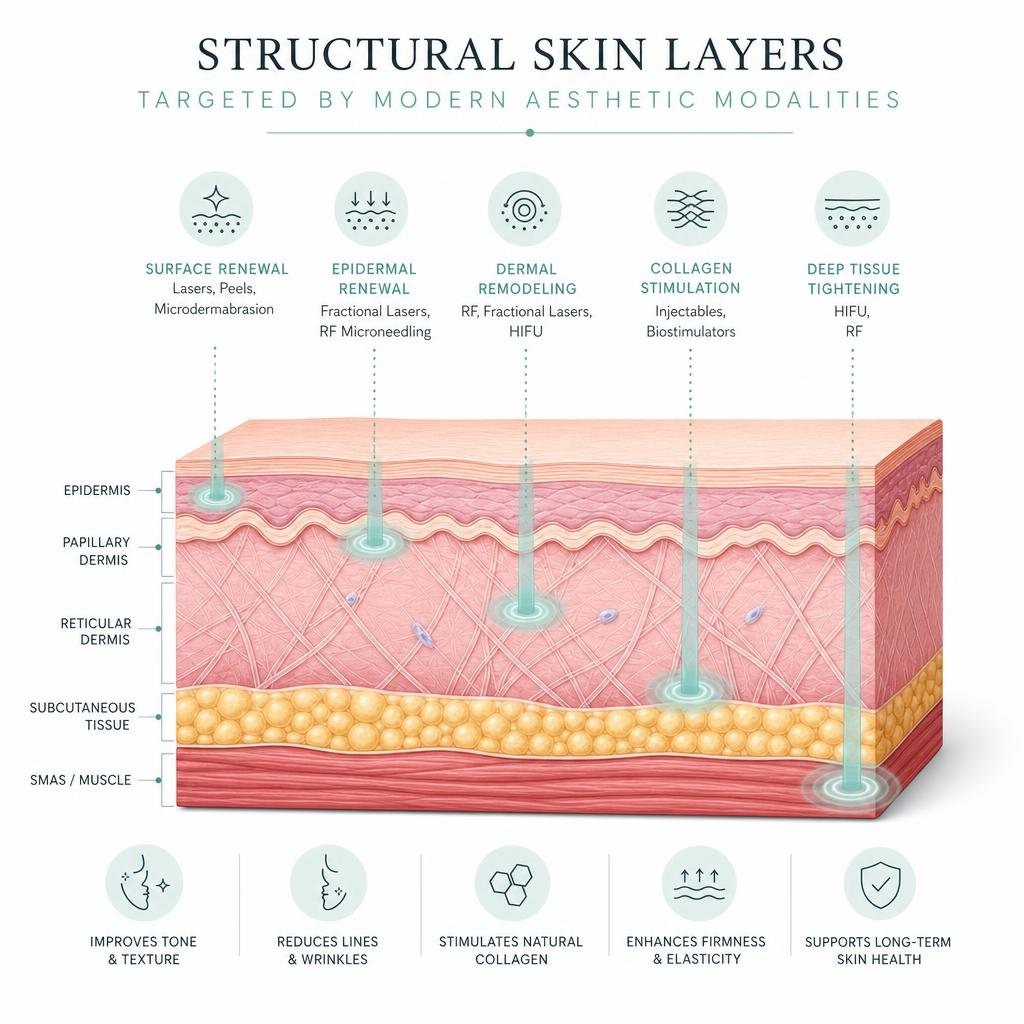
The landscape of skin rejuvenation has been significantly reshaped by advanced energy-based devices. These technologies offer precise targeting of skin concerns, from deep wrinkles and laxity to pigmentation and textural irregularities, often with reduced downtime compared to their predecessors. We are witnessing a shift towards methods that balance effective tissue remodeling with minimal thermal spread, ensuring both safety and efficacy.
High-Frequency Laser-Coring for Structural Tightening
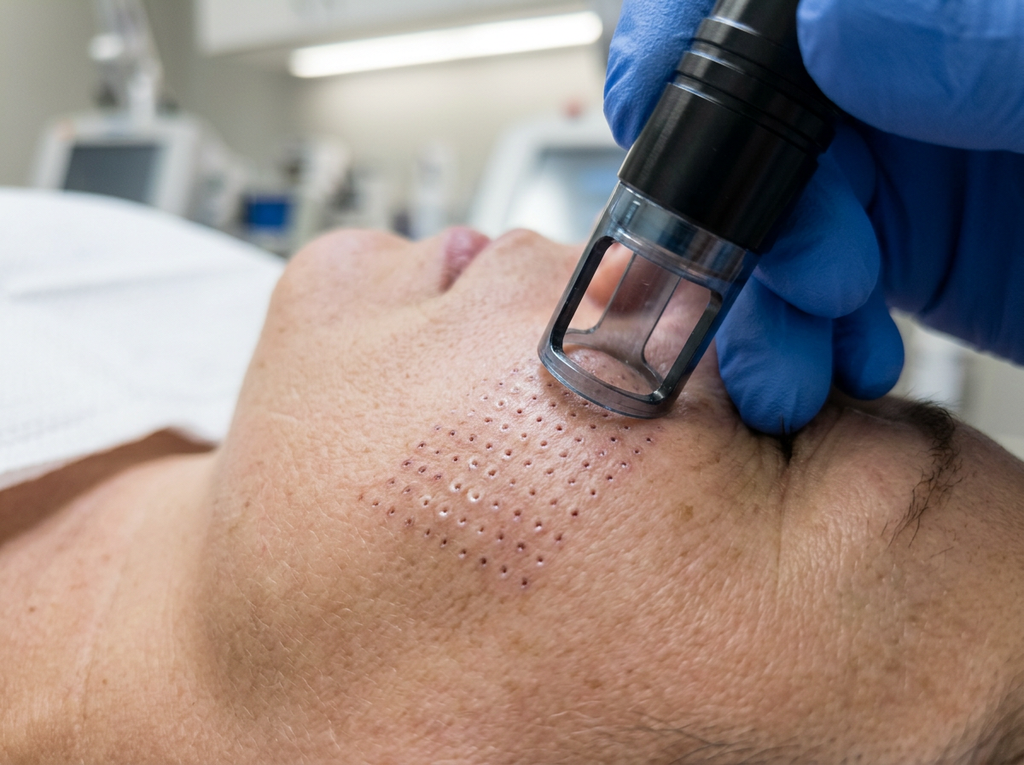
Laser-Coring™ represents a significant leap forward in addressing skin laxity and deep rhytids without the need for traditional surgical incisions or even mechanical coring devices. This innovative approach utilizes a 2910nm cold fiber laser, which ablates precise micro-channels of tissue. What truly distinguishes Laser-Coring™ from traditional tissue coring, which relies on mechanical needles to excise micro-cores of skin, is its laser-driven mechanism. Unlike mechanical methods that can lead to localized bleeding and prolonged recovery, Laser-Coring™ creates micro-channels with limited thermal damage and significantly reduced bleeding.
Compared to conventional ablative laser resurfacing technologies, which often involve broader thermal zones and longer recovery periods, the 2910nm fiber laser targets tissue with exceptional precision. Its 5000 Hz pulse delivery allows for rapid treatment, often completing a session in just 30 minutes. This technology triggers immediate collagen contraction and stimulates neocollagenesis, effectively reducing deep wrinkles, improving signs of gravity, and correcting skin laxity. The “cold” nature of the laser minimizes bulk heating and collateral thermal spread, making it safe even for delicate areas like the periorbital region.
The treatment protocol involves the creation of these micro-columns, which then heal and contract, leading to a visible tightening effect. It’s a needleless tissue coring method that requires zero sutures, offering a non-surgical alternative for conditions traditionally managed with more invasive procedures. Ideal candidates are individuals experiencing moderate to severe skin laxity, deep facial rhytids, or even certain types of acne scarring. Contraindications typically include active skin infections, certain autoimmune conditions, or recent use of photosensitizing medications. Recovery is generally characterized by mild redness and swelling, with patients often returning to normal activities within a few days, a stark contrast to the weeks required for deeper ablative laser treatments.
1927nm Thulium Fractional Lasers for Pigmentation and Resurfacing
The 1927nm thulium fractional laser, exemplified by devices like LaseMD Ultra, offers a nuanced approach to addressing superficial skin concerns such as melasma, pigmentation, and overall surface resurfacing. This non-ablative fractional laser platform is specifically tuned to a 1927nm wavelength, which is highly absorbed by water in the upper epidermis. This characteristic allows for a maximum penetration depth of approximately 200 microns, precisely targeting superficial pigment and sun damage without significantly affecting the deeper dermis.
What makes this technology particularly advantageous is its ability to treat a wide range of skin types, including all Fitzpatrick phototypes, with a low risk of post-inflammatory hyperpigmentation (PIH), a common concern with other lasers, especially in darker skin tones. This is because the shallow penetration and minimal thermal diffusion prevent excessive heat transfer to surrounding tissue.
LaseMD Ultra also features a unique Cosmeceutical Delivery System (CDS). This system utilizes the laser-created micro-channels as pathways for the deeper infusion of active ingredients, such as tranexamic acid for stubborn melasma, or vitamin C for brightening and antioxidant benefits. This combination approach enhances the efficacy of both the laser treatment and the topical agents.
The treatment protocol typically involves a series of 3 to 5 sessions, spaced four to six weeks apart, though many patients observe meaningful improvement after a single session. Downtime is remarkably minimal, usually consisting of 1 to 3 days of mild redness and a sandpaper-like skin texture, followed by light flaking as the surface skin renews. This makes it a popular choice for individuals seeking effective treatment for melasma, sun damage, actinic keratosis, and overall skin tone and texture improvement, without the prolonged recovery associated with more aggressive ablative lasers. Aftercare is straightforward, focusing on gentle skincare and strict sun protection.
Regenerative Injectables and Biostimulators in Advanced Cosmetic Treatments
Beyond energy devices, a new generation of injectables is moving beyond simple volume replacement to actively stimulate the body’s own cellular signaling and autologous repair mechanisms. These biostimulators encourage neocollagenesis and provide structural bio-scaffolding, leading to more natural and longer-lasting results. Their intradermal delivery targets the very foundation of skin health.
Polynucleotide Skin Boosters: Cellular Signalling and Matrix Repair
Polynucleotide (PN) skin boosters, such as the widely recognized Rejuran Healer, represent a paradigm shift in skin rejuvenation. Unlike conventional hyaluronic acid fillers that primarily provide temporary volume, PN acts as a biological regenerative dermal signal. Composed of purified salmon-DNA polynucleotides, this innovative treatment works by activating A2A adenosine receptors in the skin, which in turn stimulates fibroblast proliferation. This cellular activity leads to the increased synthesis of Type I collagen, the essential building block for youthful skin, and helps restore the extracellular matrix. Furthermore, PN therapy has been shown to downregulate matrix metalloproteinase MMP-1, an enzyme responsible for collagen degradation, especially in photoaged skin.
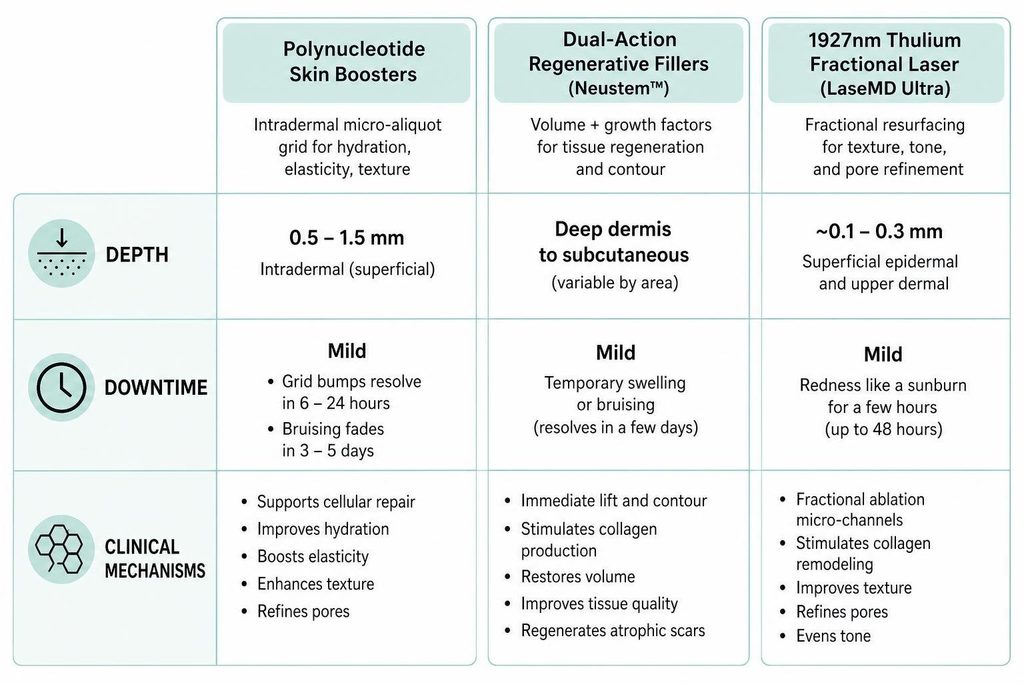
The clinical evidence supporting polynucleotide skin boosters is robust, with studies demonstrating improvements in skin elasticity, hydration, and texture. The treatment protocol typically involves a micro-aliquot grid pattern, where 2cc of the solution is delivered across 50 to 80 intradermal injection points at a shallow depth of 0.5 to 1.5mm across the face. This ensures even distribution and optimal cellular stimulation. A standard foundational cycle usually comprises 3 to 4 sessions, spaced approximately 4 weeks apart. Initial subtle skin refinement may be noticed around weeks 2 to 4, with peak results in pore refinement, texture, and elasticity becoming visible between weeks 8 and 12. Maintenance sessions are then recommended every 6 to 12 months to sustain the results.
Recovery is generally mild; small grid bumps at the injection sites typically resolve within 6 to 24 hours, and any minor bruising at 3 to 5 entry points usually fades within 3 to 5 days. Aftercare involves avoiding facial massage for 24 hours, makeup for 6 to 12 hours, and strenuous activities or saunas for 48 hours. Contraindications include documented hypersensitivity or allergy to salmon or fish proteins, active skin infections, severe inflammatory dermatitis, active autoimmune flares, and pregnancy or breastfeeding.
The accessibility of these treatments varies significantly by region. For instance, in August 2026, a 2cc Rejuran Healer session at Kind Global Clinic Myeongdong in South Korea costs approximately KRW 189,000 ($135 USD). This is notably more affordable, being 50 to 70 percent less than the equivalent polynucleotide skin booster cost in the US (where available, typically $600 to $900 USD per session) and 40 to 55 percent less than in Japan. A full 3 to 4 session cycle in Myeongdong would cost between KRW 567,000 to 756,000 ($405 to $540 USD) total, making it a significant draw for medical tourists, with Korean polynucleotide skin boosters attracting a substantial share of the 600,000+ medical tourists in 2023.
Dual-Action Regenerative Fillers in Advanced Cosmetic Treatments
Neustem™ is a proprietary regenerative injectable that offers a unique dual-action approach to tissue restoration. It fundamentally differs from conventional dermal fillers by combining immediate physical projection with a potent growth factor complex that actively stimulates the skin’s natural collagen production. While traditional fillers merely occupy space, Neustem™ encourages the body to rebuild its own tissue, leading to results that are not only immediate but also exceptionally long-lasting, often measured in years rather than months.
This biostimulatory matrix works by addressing the underlying causes of volume loss and tissue degradation. It provides an initial lift and contour while simultaneously initiating a cascade of cellular repair and neocollagenesis. This makes it particularly effective for challenging areas such as persistent dark under-eye hollows and thin periorbital skin, where the goal is to improve tissue quality and translucency, not just add volume. The clinical evidence is compelling; Epione Beverly Hills published a four-year retrospective study of its under-eye protocol (Neustem + Coolaser) reviewing 200 patients from a broader group of over 2,000 cases. The study reported high satisfaction, minimal and temporary side effects, and results that lasted for years. In fact, nearly sixty percent of patients seeking Neustem under-eye treatment at Epione Beverly Hills travel from outside the United States, underscoring its specialized appeal.
Neustem™ is also highly effective in lifting and smoothing rolling and pitted atrophic acne scars, where it works by elevating the scarred indentation while regenerating the depleted structural tissue underneath. It can also be used for multi-zone non-surgical facelifts, restoring youthful jawline, midface, and temple contours without incisions. Ideal candidates are those seeking long-term structural improvement and tissue regeneration, particularly for areas where skin quality and collagen loss are primary concerns. Contraindications are similar to other injectables, including active infections or known allergies to components of the formulation. Recovery is typically minimal, with some temporary swelling or bruising, and patients are advised to avoid intense exercise, alcohol, saunas, and direct facial massage for 24 to 48 hours post-treatment.
For those considering advanced aesthetic procedures that go beyond temporary fixes, a consultation with an established medical aesthetics company can provide invaluable insights into whether regenerative injectables like Neustem™ align with their aesthetic goals.
Clinical Integration and Treatment Sequencing
The true power of advanced cosmetic treatments often lies in their strategic combination and careful sequencing. A comprehensive facial rejuvenation plan frequently involves integrating multiple modalities to address different layers and concerns of the skin, maximizing synergistic effects while optimizing patient safety and outcomes.
Multi-Modality Protocols and Procedure Sequencing
When designing a bespoke treatment mapping for advanced aesthetic procedures, understanding the interaction between different technologies is paramount. For instance, combining energy-based devices with injectable biostimulators requires careful sequencing to ensure optimal results and prevent product degradation.
A key principle is that energy devices, such as high-intensity focused ultrasound (HIFU) or radiofrequency (RF) skin tightening treatments, should generally be performed before subsequent intradermal injections like polynucleotide skin boosters. This is because the thermal energy generated by HIFU or RF can potentially degrade newly injected polynucleotides, compromising their efficacy. By performing the energy-based treatment first, we ensure that the thermal effects are complete before introducing the temperature-sensitive regenerative agents.
Similarly, pairing deep regenerative injectables with superficial laser resurfacing, as seen with Neustem™ and certain lasers, addresses structural collapse beneath while simultaneously refining epidermal texture on top. This multi-depth rejuvenation approach yields more comprehensive and natural-looking results than either treatment alone. A tailored approach considers the patient’s specific concerns, skin type, and desired outcomes, creating a customized plan that leverages the strengths of each modality.
Candidate Selection and Safety Profiles Across Advanced Cosmetic Treatments
Identifying the ideal candidate for each advanced treatment is crucial for both efficacy and safety. A thorough Fitzpatrick phototype assessment is essential, especially for laser treatments. For example, while the 1927nm thulium fractional laser (LaseMD Ultra) is safe for all Fitzpatrick skin types due to its shallow penetration and minimal heat diffusion, other laser platforms may carry higher risks of post-inflammatory hyperpigmentation in darker skin tones.
Contraindications are specific to each treatment:
- Polynucleotide Skin Boosters (Rejuran Healer): Individuals with documented hypersensitivity or allergy to salmon or fish proteins, active skin infections, severe inflammatory dermatitis in the target area, active autoimmune flares, and those who are pregnant or breastfeeding are not suitable candidates.
- Laser-Coring™: Active skin infections, certain autoimmune conditions, or recent use of photosensitizing medications would typically be contraindications.
- Neustem™: Active infections in the treatment area or known allergies to any components of the injectable are contraindications.
Recovery and aftercare protocols are also tailored:
- LaseMD Ultra: Expect 1 to 3 days of mild redness and a sandpaper-like texture, followed by light flaking. Makeup can be applied after 24 hours, and strict sun protection is vital.
- Rejuran Healer: Micro-papules or “grid bumps” typically resolve within 6 to 24 hours, with minor bruising fading within 3 to 5 days. Patients are advised to avoid facial massage, makeup (initially), and strenuous exercise.
- Laser-Coring™: Recovery involves mild redness and swelling, typically resolving within a few days.
- Neustem™: Temporary swelling or bruising is possible, with recommendations to avoid intense exercise, alcohol, saunas, and direct facial massage for 24 to 48 hours.
A key aspect of aftercare for regenerative treatments is understanding the collagen maturation timeline. While some immediate improvements may be visible, the full benefits of neocollagenesis, such as increased dermal density and improved elasticity, typically manifest over 4 to 12 weeks post-procedure. Patients are also advised on pre-treatment optimization, such as discontinuing blood-thinning agents, NSAIDs, and active skincare ingredients (retinoids, AHAs) several days before procedures to minimize bruising and irritation. Pharmaceutical-grade sun protection and medical-grade skincare are universally recommended post-procedure to support healing and maintain results.
Frequently Asked Questions About Advanced Aesthetic Modalities
How does laser-coring differ from traditional mechanical micro-coring and ablative lasers?
Laser-Coring™ distinguishes itself by utilizing a 2910nm fiber laser to create precise micro-channels in the skin. Unlike traditional mechanical micro-coring, which uses hollow needles to physically excise tissue, Laser-Coring™ employs optical micro-coring, meaning it ablates tissue with laser energy. This results in significantly reduced procedural bleeding and accelerated healing. When compared to conventional ablative lasers, Laser-Coring™ offers a unique ablation-coagulation balance, providing controlled thermal impact for collagen contraction with minimal collateral damage, allowing for treatment of delicate areas with reduced downtime and greater precision.
What is the clinical protocol and recovery timeline for polynucleotide skin boosters?
The standard clinical protocol for polynucleotide skin boosters like Rejuran Healer typically involves a foundational cycle of three to four sessions, spaced approximately four weeks apart. This allows for optimal cellular stimulation and collagen synthesis. Following treatment, small micro-papules at the injection sites usually resolve within 6 to 24 hours. Any minor bruising typically fades within 3 to 5 days. While initial skin refinement may be observed earlier, peak dermal density and comprehensive textural improvements are generally visible at 8 to 12 weeks post-initial treatment. For sustained results, bi-annual maintenance sessions are often recommended.
How does the 1927nm thulium laser safely target melasma without triggering rebound hyperpigmentation?
The 1927nm thulium fractional laser, such as LaseMD Ultra, safely targets melasma by operating at a sub-ablative depth of approximately 200 microns. This shallow penetration specifically targets the epidermal pigment without causing significant thermal damage to the deeper dermis, which is crucial in preventing post-inflammatory hyperpigmentation (PIH) often associated with deeper or more aggressive lasers, especially in melasma-prone or darker skin types. Its non-ablative fractional delivery minimizes heat diffusion to surrounding tissues. Furthermore, the ability to perform concurrent transdermal active infusion, such as tranexamic acid, directly into the micro-channels created by the laser, enhances its efficacy in managing melasma while maintaining an excellent safety profile.
Conclusion
The field of cosmetic treatments continues to evolve at an impressive pace, driven by a deeper understanding of skin biology and the desire for effective, yet minimally invasive, solutions. The advanced cosmetic treatments we’ve explored, from the precision of Laser-Coring™ and the versatility of 1927nm thulium fractional lasers to the regenerative power of polynucleotide skin boosters and dual-action injectables like Neustem™, exemplify this progress.
These innovations move beyond superficial fixes, focusing instead on stimulating the body’s own regenerative cellular pathways to rebuild and restore skin health from within. By emphasizing non-surgical skin transformation, these modalities offer patients the opportunity to achieve natural-looking, long-term dermal health with reduced downtime and enhanced safety. As we look to August 2026 and beyond, the future of aesthetic medicine is clearly centered on evidence-based aesthetics that empower individuals to look and feel their best, reflecting the vitality of their inner health.
- 6 Best Walk-In Tub Installers In Sacramento And The Bay Area
- Understanding the Benefits of Hormone Optimization Therapy
- Fort Lauderdale, Florida Property Cleanout Guide: How to Plan a Smooth Clear-Out
- Enhancing Your Backyard with an Outdoor Shower Installation
- How West Odessa, Texas Homeowners Can Plan a Remodel for Heat, Wind, and Everyday Life