

Back injuries can affect everyday life and physical mobility. While severe pain can be alarming, non-surgical care can often provide relief without the need for an invasive operation. Orthopedic surgery may be required for certain structural issues, but many back problems improve with professional treatments that reduce inflammation and restore movement. Exploring these non-surgical options may be helpful for recovery without the lengthy healing time of surgery.
Understanding Back Injuries
The human spine is a complex structure, and even minor damage can cause pain. Acute pain often results from trauma, while chronic issues arise from wear and tear. Advanced diagnostics help specialists differentiate muscle strains from structural problems like disc herniations, supporting individualized recovery plans that put first non-invasive treatments before orthopedic surgery.
Using Physical Therapy
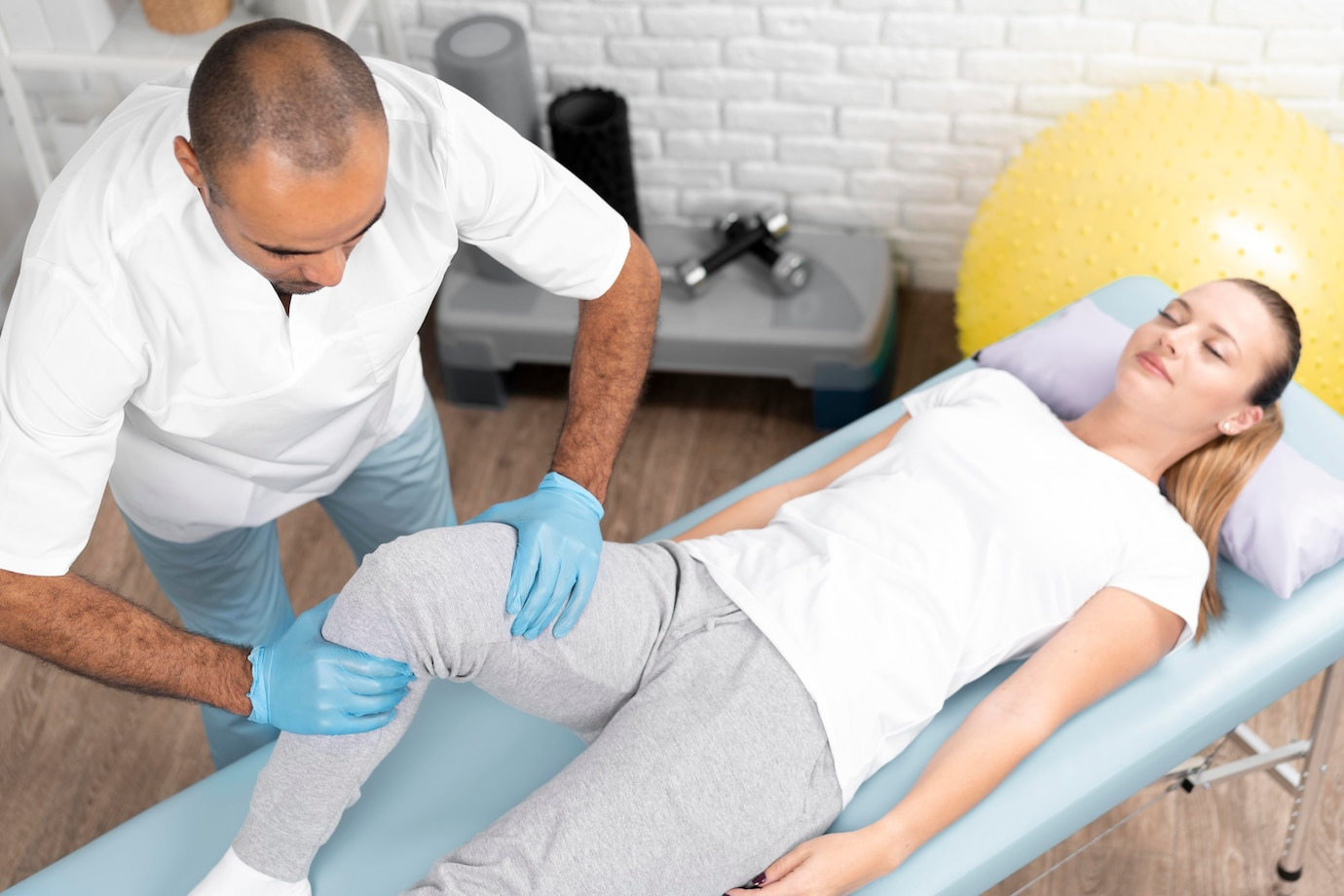
Physical therapy is a part of recovery without surgery. It focuses on strengthening the muscles that support your spine. A therapist will create a personal exercise plan to improve your core stability and flexibility. You will learn specific movements to reduce pressure on sensitive nerves and practice them under professional supervision. Over time, these exercises build the strength needed to protect your back from further injury.
Managing Back Pain
Pain management plans focus on controlling discomfort so patients can fully participate in rehabilitation.
- Medication: Over-the-counter anti-inflammatory drugs are frequently suggested to reduce swelling and manage acute flare-ups.
- Therapeutic Modalities: Technicians may apply heat or cold therapy, electrical stimulation, or ultrasound to specific areas of the back.
- Injections: Corticosteroid injections can deliver potent anti-inflammatory medication directly to the affected area for longer-lasting relief.
These interventions do not fix the underlying structural issue, but they provide a window of relief. When pain is controlled, the body can focus energy on healing and movement.
Improving Indication Safely
Restoring proper movement is beneficial for long-term spinal health, as poor mechanics may worsen existing injuries. Patients must relearn how to bend, lift, and twist safely to protect the spine from additional stress. Simple postural changes during standing or walking can ease pressure on injured areas. By practicing these body mechanics, patients can support their own recovery and help prevent future complications.
Adapting Daily Habits
Implementing daily routine changes is beneficial to the success of a non-surgical treatment plan. By adjusting your daily routine, you can reduce the strain on your spine and support the healing process:
- Reduce Prolonged Sitting: Long periods of being inactive can aggravate back conditions. Incorporating standing desks or taking frequent walking breaks helps keep the spine mobile.
- Optimize Your Workspace: Ergonomic assessments can identify simple but effective changes, such as adjusting your chair height or monitor position to alleviate physical strain.
- Manage Body Weight: Maintaining a healthy weight reduces the mechanical load on the spine, potentially decreasing the occurrence and severity of pain episodes.
- Consistency is Key: Small, consistent adjustments to your daily habits cumulatively support long-term spinal health and recovery.
Know When Orthopedic Surgery Helps
While conservative treatments can be effective, they may not resolve all back injuries. Orthopedic surgery may become an option if your symptoms persist or neurological issues worsen despite following a non-surgical plan. To prevent permanent damage or address structural problems, maintaining open communication with your healthcare provider helps determine the most appropriate course of action.