

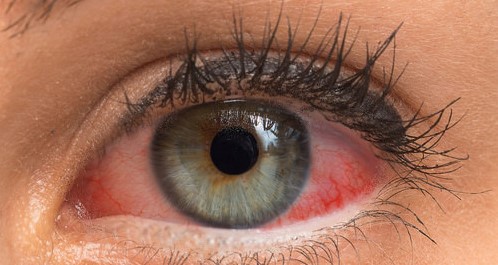
Red eyes are a common symptom that may arise from a range of underlying causes, including environmental factors, medical conditions, irritants, and trauma. Eye allergies, infections, or dehydration are frequently associated with this change in appearance. Injuries from physical impacts or contact with debris can damage sensitive eye structures and cause blood vessel dilation or irritation. Here’s more information on common causes of red eyes:
Dry Eyes
Red eye conditions generally refer to any situation where the white part of the eye, called the sclera, appears pink or red due to the dilation of tiny blood vessels. This redness serves as a sign of inflammation or irritation. Different eye conditions may also cause redness and other symptoms. Several factors contribute to the development of eye issues, such as environmental factors. Exposure to wind, dust, smoke, or chemical substances can commonly cause eye irritation, leading to redness.
One prevalent cause of red eyes is dry eye syndrome. This condition occurs when the eyes do not produce enough tears to stay lubricated, or when the tears produced are of poor quality and evaporate too quickly. Tears provide necessary lubrication for the eyes, but sometimes the glands do not produce enough fluid to keep them moist. Without adequate lubrication, the surface of the eye becomes inflamed and red, leading to discomfort and potential fluctuations in vision.
Inflamed Eyes
Inflammation is a primary cause of red eyes and can affect various parts of ocular anatomy. Identifying the specific location of the inflammation helps medical professionals determine the appropriate course for treatment. A common cause of eye inflammation is conjunctivitis, often referred to as “pink eye.”
Conjunctivitis
Conjunctivitis is the inflammation or infection of the transparent membrane, or the conjunctiva, that lines the eyelid and covers the white part of the eyeball. When small blood vessels in the conjunctiva become inflamed, they become more visible, causing the whites of the eyes to appear reddish or pink. Allergies, bacteria, or viruses can trigger this condition, and chemical conjunctivitis occurs when harsh substances or particulate matter enter the eye.
Blepharitis
Blepharitis involves inflammation of the eyelids, specifically where the eyelashes grow. It commonly occurs when the tiny oil glands located near the base of the eyelashes become clogged, leading to irritated eyes. Patients may notice dandruff-like scales on their eyelashes or a gritty sensation in their eyes. While often a chronic condition, it does not typically cause permanent damage to eyesight when managed correctly with eyelid hygiene.
Uveitis
Uveitis is a form of eye inflammation that affects the middle layer of tissue in the eye wall called the uvea. This condition is more serious than surface inflammation and can destroy eye tissue if left unaddressed. Warning signs often include sudden redness accompanied by eye pain and sensitivity to light.
Injured Eyes
Trauma remains a leading cause of red eyes, particularly in emergency settings. The nature of an injury dictates the severity of the redness and the urgency of treatment necessary. Physical trauma can manifest in several ways. A subconjunctival hemorrhage occurs when a tiny blood vessel breaks just underneath the clear surface of the eye, creating a bright red patch. While it may look alarming, it is often painless and resolves on its own.
More severe trauma may lead to a hyphema, which is bleeding in the front chamber of the eye between the cornea and the iris. Debris may scratch the surface of the cornea, or blunt force trauma may cause internal bleeding within the eye structure. These injuries require immediate medical attention to prevent increased eye pressure and potential vision loss.
When the eye surface is scratched or compromised by foreign objects, it becomes vulnerable to bacteria and fungi. A corneal ulcer is an open sore on the cornea that results from an eye infection. These ulcers are typically painful and cause symptoms like:
- Severe Redness
- Excessive Tearing
- Increased Discharge
Schedule an Evaluation for Your Red Eyes
If you notice persistent redness developing, you may benefit from a professional eye examination. Eye redness is a general symptom, but a thorough evaluation can distinguish between minor irritation concerns and more serious conditions. An eye care specialist can examine your eyes’ internal and external structures to determine the root cause of your symptoms. Early intervention is key to preserving your vision and promoting proper healing.