

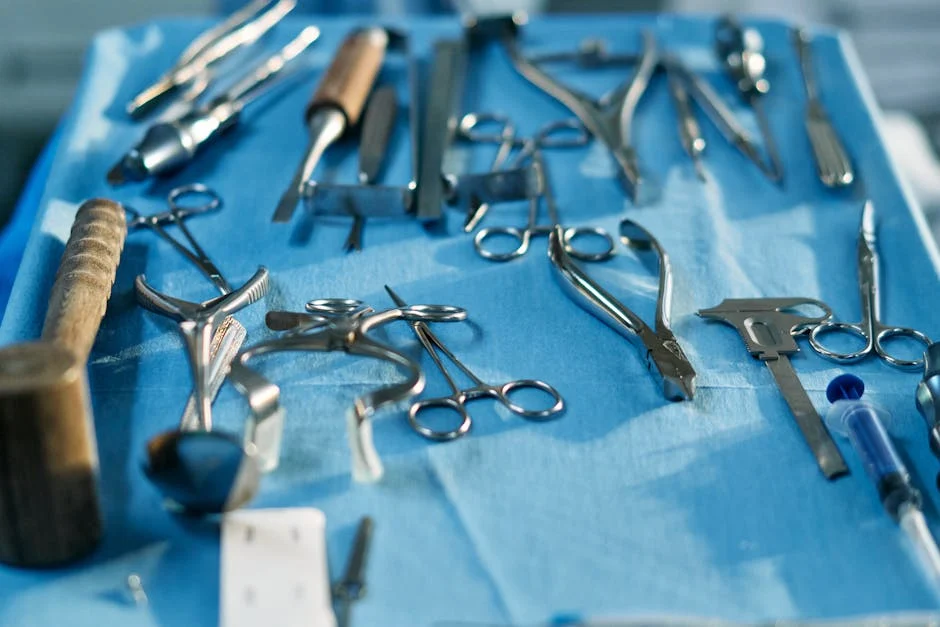
Minimally invasive surgeries employ advanced techniques that reduce incision size while maintaining strong clinical outcomes. Understanding how they work, what to expect, and who they are best suited for can help patients make informed decisions about their care. Here are answers to common questions about minimally invasive procedures:
What Are Minimally Invasive Surgeries?
Minimally invasive surgeries refer to surgical techniques that limit the size of required incisions. In traditional surgery, a surgeon makes one large incision to access the area being treated. In contrast, minimally invasive procedures use several small incisions.
These surgeries rely on specialized instruments and technology. A surgeon inserts a small tube with a camera, called a laparoscope or arthroscope, through one of the small incisions. This camera projects high-definition images onto a monitor in the operating room. Using these images as a guide, the surgeon performs the procedure using tiny instruments inserted through the other small incisions.
Which Conditions Can They Treat?
Doctors use minimally invasive techniques to treat various medical issues. Surgeons frequently use minimally invasive procedures to address the following issues:
- Joint Issues: Arthroscopy is commonly used to repair torn ligaments or to fix rotator cuff tears in the shoulder.
- Spinal Conditions: Surgeons can treat herniated discs, spinal stenosis, and certain spinal deformities using minimally invasive surgical techniques.
- Abdominal Problems: Gallbladder removal, appendicitis, and hernia repairs are routinely performed using laparoscopic techniques.
- Heart Defects: Some heart valve repairs and replacements can be done without opening the chest cavity.
- Orthopedic Trauma: Fractures and bone deformities can sometimes be stabilized or corrected with minimal disruption to surrounding soft tissues.
Not every patient or condition is a candidate for these methods. A surgeon will evaluate your medical history and the severity of your condition to determine the best approach.
What Benefits Do They Offer?
Choosing a minimally invasive approach offers distinct benefits over traditional open surgery. Patients who undergo minimally invasive surgeries often experience these key benefits:
- Reduced Pain: Smaller incisions mean less trauma to the skin and muscle, resulting in less post-operative pain and a reduced need for pain medication.
- Shorter Hospital Stays: Many of these procedures are performed on an outpatient basis; you can go home the same day or require only a short overnight stay.
- Faster Recovery: With less tissue damage, the body generally heals faster, allowing patients to return to work and daily activities sooner.
- Smaller Scars: The tiny incisions used in these procedures heal with minimal scarring.
- Lower Risk of Infection: Smaller wounds are less susceptible to infection.
Discussing these benefits in the context of your health situation with your provider is the best way to manage expectations.
What Happens Before and After?
Although minimally invasive procedures are less extensive than open surgery, they still require careful planning and adherence to medical advice. Before the procedure, your doctor will perform a thorough evaluation. This includes physical exams, blood tests, and imaging scans to map the surgical area. You will receive instructions on how to prepare, which may include fasting for a specified period before surgery or adjusting current medications.
After the surgery, you will be monitored until the anesthesia wears off. Because these are often outpatient procedures, you will need a friend or family member to drive you home. Once home, rest is fundamental. You will feel some soreness around the incision sites, but this is usually manageable with over-the-counter pain relievers or mild prescription medication.
Learn More About Minimally Invasive Surgeries
Minimally invasive surgeries are a significant leap in medical care. They offer effective treatment for various conditions while prioritizing patient comfort and faster recovery. Understanding how these procedures work and what they entail helps you make objective decisions about your treatment. For joint pain, injury, or other medical issues, contact a qualified orthopedic specialist near you to schedule your consultation and discuss your options.