

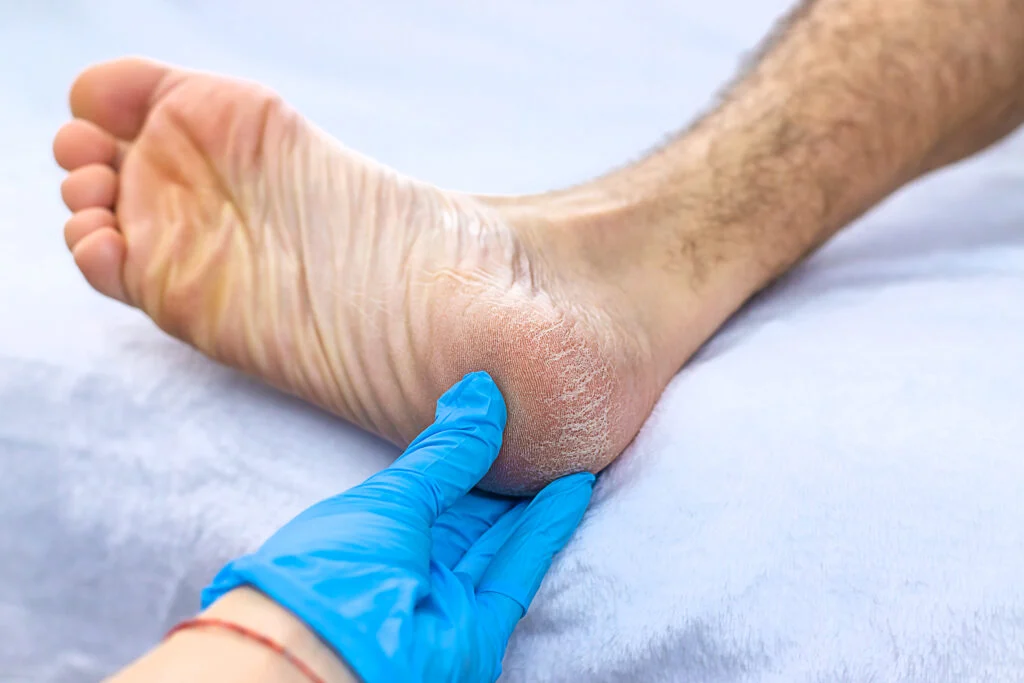
A foot doctor, or podiatrist, is a specialist who focuses on diagnosing and treating conditions of the feet, ankles, and related structures of the legs. These healthcare professionals provide comprehensive care for a range of issues, from common ailments to complex conditions. For runners and other active individuals, a podiatrist can be a fundamental resource for maintaining foot health and preventing problems. Here’s information on some foot doctor recommendations for active individuals:
Wear the Right Shoes
Proper footwear is a fundamental component of injury prevention for anyone engaging in regular physical activity. Ill-fitting or inappropriate shoes can contribute to discomfort and potential injury. The right shoe should provide adequate support for your foot’s specific structure, but it also needs cushioning to absorb the impact that occurs during activities like running or jumping. A properly fitting shoe should help minimize stress on your feet and lower limbs.
When selecting athletic shoes, look at factors beyond size alone, including width and arch support. Foot structure varies significantly from person to person, so a shoe that works well for one individual may not be suitable for another. An evaluation with a foot doctor allows them to assess your gait and foot type to determine the most appropriate footwear for your needs.
Avoid Overuse Injuries
Overuse injuries may occur when repetitive stress is placed on bones, joints, and soft tissues without sufficient time for recovery. For active people, these types of injuries are common, but implementing proper routines before and after exercise can help mitigate your risk. A structured approach to warming up and cooling down is an effective strategy for preparing your body for exertion and aiding its recovery.
Warm-Up Stretches
Before beginning any strenuous activity, a warm-up period prepares the muscles and joints for the work ahead. A proper warm-up increases blood flow to muscles, enhancing flexibility and reducing the likelihood of strains or tears. Some warm-up options include light jogging or dynamic stretches, which involve moving your body through its full range of motion. These movements prepare the specific muscles you will be using during your workout.
Cool-Down Stretches
Following a workout, a cool-down period allows your body to gradually transition back to a resting state. This phase helps prevent muscle soreness and stiffness by allowing the heart rate and breathing to return to normal slowly. Static stretches, where a stretch is held for a period of 20-30 seconds, can be particularly beneficial during a cool-down. These stretches help maintain flexibility and can assist in removing metabolic waste products from the muscles.
Work With a Specialist
Many minor aches and pains can resolve with rest and proper self-care, but some situations warrant professional medical attention. If you experience persistent pain that does not improve, or if an injury causes significant swelling, bruising, or an inability to bear weight, contact a specialist for a consultation. A podiatrist can perform a thorough examination to diagnose the problem and develop a treatment plan for your specific injury. They can provide guidance on managing conditions such as plantar fasciitis, Achilles tendonitis, or stress fractures.
Contact a Foot Doctor Today
Maintaining foot and ankle health is imperative for maintaining an active lifestyle. If you are experiencing discomfort or have concerns about an injury, contact a sports injury specialist to learn your options. A podiatrist can evaluate your discomfort, and they can create a treatment plan focused on your needs.