

Key Takeaways
- Establishing a consistent oral hygiene routine is fundamental to dental health.
- Dietary choices significantly impact oral wellness.
- Regular dental check-ups are crucial for early detection and prevention of dental problems.
- Hydration and mindful eating habits support oral health.
- Protective measures, such as mouthguards, can help prevent dental injuries.
Maintaining healthy dental habits is essential for overall wellness, as the state of our teeth and gums can significantly impact both physical health and quality of life. Simple daily practices, such as brushing twice a day, flossing regularly, and limiting sugary foods, form the foundation of lifelong dental wellness. Beyond these daily routines, developing consistent habits that support oral health can prevent common issues like cavities, gum disease, and tooth sensitivity, ensuring that your smile remains strong and vibrant over the years.
Regular professional care also plays a crucial role in sustaining oral health. Scheduling routine dental cleaning allows for the removal of plaque and tartar that daily brushing may miss, while giving dental professionals the opportunity to identify potential concerns early. By combining at-home care with professional maintenance, individuals can establish a balanced approach that fosters long-term dental wellness and contributes to overall health.
Establish a Consistent Oral Hygiene Routine
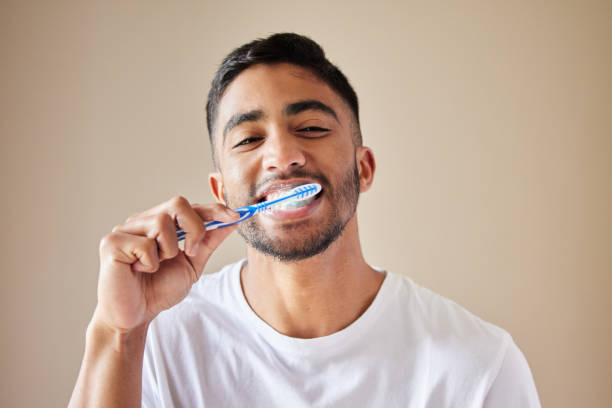
Daily oral care is the cornerstone of dental wellness, with simple practices having a major impact. Brushing twice a day with a soft-bristle toothbrush and fluoride toothpaste removes plaque and bacteria from all tooth surfaces. Proper brushing technique ensures you cover every area and spend at least two minutes brushing each time. Flossing once a day removes plaque and food particles that can get stuck between teeth and under the gumline, lowering your risk of cavities and gum disease. An antimicrobial mouthwash can further reduce bacteria and help freshen breath.
Maintain a Balanced, Tooth-Friendly Diet
What you eat directly affects your oral health. Frequent consumption of sugary foods and drinks can feed bacteria that cause tooth decay and gum disease, so it is wise to limit sweets. Make a habit of including calcium-rich foods such as dairy and leafy greens, which strengthen tooth enamel and help repair early damage. Choose snacks like raw fruits, crunchy vegetables, and nuts for nutrients and increased saliva flow, both of which protect and remineralize your teeth.
Staying hydrated is just as important. Water not only keeps your body healthy but also rinses away food particles and helps neutralize acids created by bacteria in your mouth.
Schedule Regular Dental Check-Ups
Biannual dental check-ups provide a critical opportunity for your dentist to detect concerns early and offer professional cleaning that goes beyond what you can achieve at home. During these visits, dentists spot signs of gum disease, oral cancer, and tooth decay before they become serious problems. Consistent visits to your dentist lead to fewer emergencies and less invasive treatments over time. Personalized advice from your dental professional can also help refine your daily oral care routine for improved results.
Stay Hydrated
Drinking water regularly throughout the day is vital for a healthy mouth. Consistent hydration boosts saliva production, which acts as the mouth’s natural defense mechanism, washing away bacteria, neutralizing harmful acids, and protecting against disease. Carry a water bottle and sip often, especially after meals and snacks, to support both your oral and overall health.
Protect Your Teeth During Physical Activities
Sports and physical activities present a significant risk of dental injury. By wearing a mouthguard during contact sports or activities with a fall risk, you can prevent chipped or broken teeth and avoid costly or painful dental emergencies. Custom-fitted mouthguards, available from your dentist, provide the best balance of comfort and protection. For additional injury prevention tips, the American Dental Association’s mouthguard guide offers excellent advice.
Be Mindful of Harmful Habits
Everyday habits can harm your teeth without you even realizing it. Biting your nails, chewing ice, or using your teeth to open packages can cause cracks, chips, and other long-term damage. These behaviors increase your risk for dental emergencies and should be replaced with healthier alternatives, such as using the right tools or managing stress through other outlets.
Educate and Involve Family Members
Oral health is a lifelong practice best supported within families and communities. Teach children the basics early, including proper brushing, flossing, and why regular dental visits matter. Make oral hygiene a family routine, so it becomes second nature and leads to healthier habits for everyone in your home.
Conclusion
Committing to healthy dental habits at any stage of life leads to lasting benefits for your smile and overall wellness. By consistently caring for your teeth daily, mindful nutrition, routine dental visits, and a proactive approach to protection, you set the stage for lifelong dental wellness and reduce the risk of serious dental problems. Prioritizing your dental health today provides the foundation for a healthier tomorrow.