

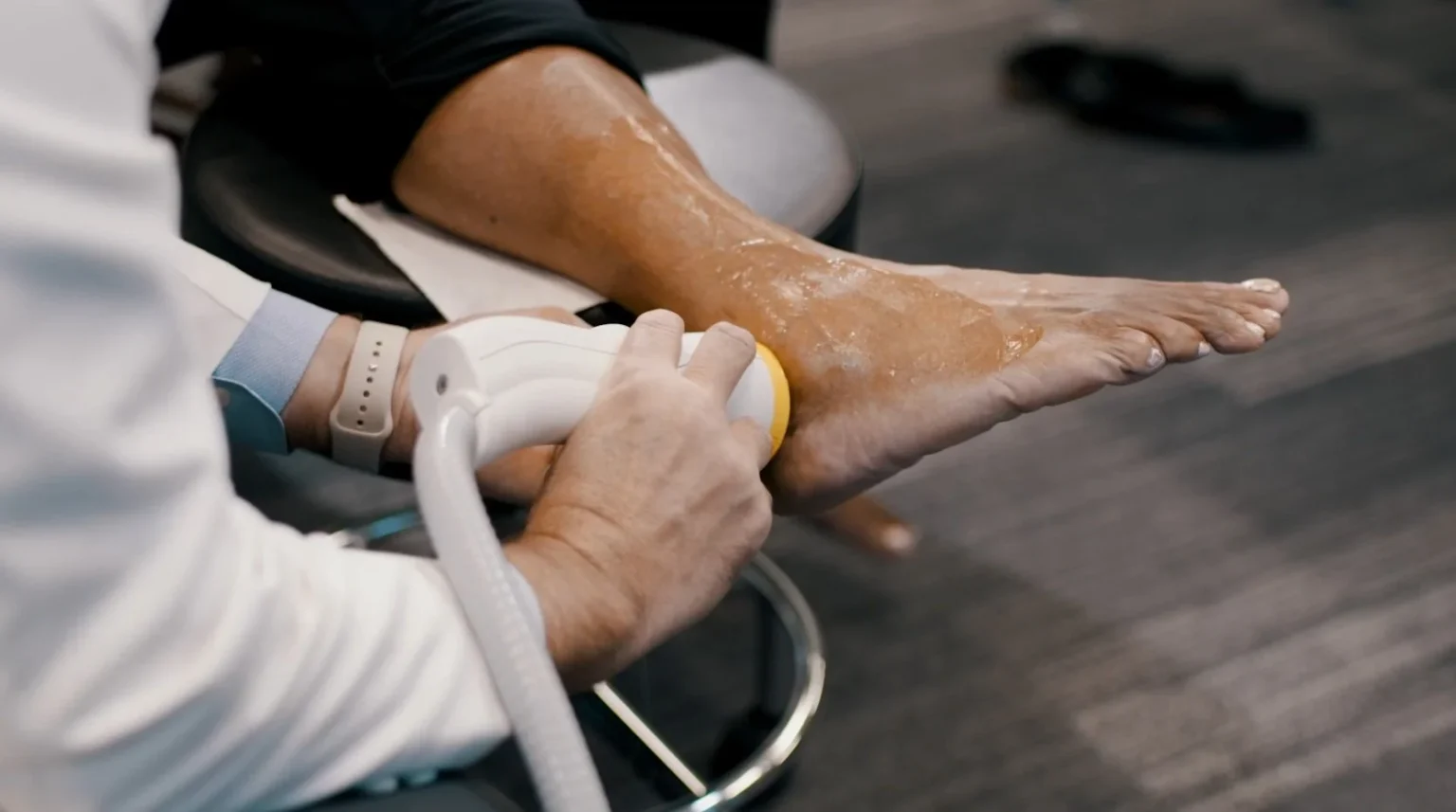
Heel pain is a common condition that can significantly disrupt your daily life. What might begin as a minor discomfort can develop into a persistent problem, making it difficult to walk, work, and even rest comfortably. Many people hope the pain will resolve on its own, but understanding its causes and effects is the first step toward finding relief. Recognizing how heel pain affects your overall well-being can help you take proactive steps toward managing it.
What Causes Heel Pain?
Discomfort in your heel often stems from repetitive stress or strain on the foot’s structures. Your feet absorb a great deal of pressure with every step, and the heel is particularly susceptible to injury. Certain activities, footwear choices, and underlying foot mechanics can contribute to the development of pain. The irritation or inflammation of tissues around the heel bone is a frequent source of the problem.
Some common reasons for heel pain include:
- Plantar Fasciitis: This condition involves inflammation of the thick band of tissue that runs across the bottom of your foot, connecting your heel bone to your toes.
- Achilles Tendinitis: Pain along the back of the heel can result from strain on the Achilles tendon, which links your calf muscles to your heel bone.
- Heel Spurs: These are calcium deposits that create a bony protrusion on the underside of the heel bone, often associated with plantar fasciitis.
- Bursitis: The fluid-filled sacs, or bursae, that cushion the bones and tendons near your joints become inflamed, leading to discomfort.
- Stress Fractures: Small cracks can form in the heel bone due to repeated impact or sudden increases in activity levels.
The specific type of pain you feel often provides clues to its cause. Some experience a sharp sensation with their first steps in the morning, while others notice a dull ache after standing for long periods. Shoes that lack proper support or cushioning worsen these conditions.
How Does Heel Pain Limit Mobility?
Pain in your heel directly impacts your movement. A normal walking pattern begins with your heel striking the ground, but when this hurts, you may unconsciously change your stride to avoid pressure. This altered gait may strain other parts of your body, including your knees, hips, and lower back, leading to further discomfort.
Everyday activities like running errands or climbing stairs can become challenging. This may lead to a more sedentary lifestyle and even affect your work performance if your job requires standing or walking. Addressing the source of the pain is a practical step toward protecting your mobility and independence.
How Does Heel Pain Affect Sleep?
Heel pain is not just a daytime problem; it can also interfere with your ability to get a good night’s rest. A throbbing or aching sensation can persist even when you are lying down. This ongoing discomfort makes it hard to fall asleep and may cause you to wake up during the night. Here are a few ways heel pain can disrupt sleep:
- Difficulty Finding Comfort: The constant ache can make it hard to find a comfortable position, leading to tossing and turning.
- Nighttime Inflammation: Inflammation can feel more pronounced at night when your body is still, and there are fewer distractions.
- Anticipation of Morning Pain: Knowing that the first steps out of bed will be painful can create anxiety and disrupt your sleep cycle.
Poor sleep affects your mood, concentration, and overall health. Your body also performs tissue repair during deep sleep, so interruptions can hinder the natural healing process. Finding ways to get consistent, quality rest is a key part of managing your pain and improving your well-being.
Consult a Specialist
If you are struggling with persistent heel pain, a professional evaluation can provide a clear path toward recovery. A podiatrist or orthopedic specialist can identify the exact cause of your discomfort through a physical exam and develop a personalized treatment plan. This plan may include practical steps such as physical therapy, custom orthotics, or specific footwear recommendations. Seeking help early can prevent the condition from becoming a long-term issue. Scheduling an appointment is a proactive step to help you regain mobility and maintain your daily routine.