

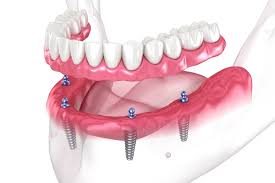
Dental implants replace missing teeth with a stable post that integrates into the jawbone, creating a base for a custom restoration that feels secure in daily use. A dental implant specialist evaluates bone quality, soft-tissue health, and functional needs to determine if implants are appropriate. Since implants address tooth loss caused by multiple factors, they are a long-term option that supports full chewing strength. Here is more information about how an implant specialist can use implants to replace missing teeth:
Initial Evaluation for Implants
A dental implant specialist begins treatment planning with a comprehensive evaluation to assess bone structure, gum health, and spacing. Because implant placement requires adequate support, the specialist may use 3D imaging to determine the precise position for the implant.
The evaluation also helps the specialist determine whether to recommend a bone graft before the implant procedure. When bone density is lower, grafting materials may be added to reinforce the implant site. As the graft heals, it forms a durable base that supports the next step in treatment.
Implant Placement Process
During the surgical phase, the specialist places a titanium post into the jawbone through a small opening in the gum tissue. After placement, the post integrates with the surrounding bone during a healing period called osseointegration, typically taking three to nine months. This biological process forms the secure connection that allows the implant to mimic the stability of a natural root.
Once the implant has fused with the bone, the specialist attaches an abutment that supports the final crown. As the gum tissue heals around this connector, the area gains the contour needed for the finished restoration. The specialist designs the crown to match the size and color of the surrounding teeth, blending with the existing teeth.
Dental Implant Care and Maintenance
Implants function like natural teeth because the titanium post transfers bite pressure through the bone in a similar way. This design allows the implant specialist to restore a tooth without relying on the support of adjacent structures. Since implants remain fixed in the mouth, they do not shift during eating or speaking. As a result, daily routines can feel familiar and go unchanged for the most part.
Care requirements remain the same as for natural teeth, so brushing and flossing continue to remove plaque along the gumline effectively. The smooth surface of an implant crown makes it easy to clean with regular home care. Because gum tissue must remain healthy to support the implant, the specialist may recommend routine dental checkups to monitor changes over time. Consistent hygiene and dental care help to maintain the dental implants and preserve their longevity.
Find a Dental Implant Specialist
A dental implant specialist reviews your oral health needs, evaluates bone support, and recommends a treatment plan that can restore function and appearance. Because implants replicate the stability of natural teeth, they provide a foundation that supports chewing strength and long-term comfort. To learn more about dental implants and how they can replace missing teeth, consult a dental implant specialist near you.