

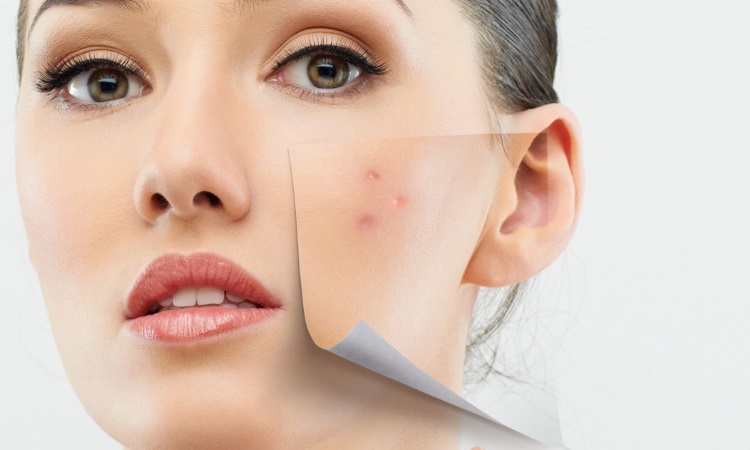
Acne scars affect some individuals who have experienced moderate-to-severe acne outbreaks, and these marks often persist long after active acne clears, affecting skin texture and appearance. Chemical peels may help reduce the visibility of this scarring. By exfoliating the skin’s surface, these treatments aim to reveal smoother, healthier skin underneath. Here is more information on these treatments and their benefits:
What Are Acne Scars?
Acne scars develop as a result of inflammation within the dermis brought on by acne lesions. When the skin attempts to repair these lesions, it produces collagen, but if too little or too much collagen is produced, a scar forms. Atrophic scars appear as depressions in the skin. Hypertrophic scars are raised and firm.
Different treatments target specific types of scarring, and chemical peels are used for surface-level irregularities. These treatments can significantly improve rolling or boxcar scars. They work by accelerating skin turnover, which gradually fades discoloration and smooths uneven texture.
What Are Chemical Peels?
A chemical peel is a dermatological procedure that involves applying a chemical solution to the skin. This solution causes controlled injury to the epidermis and sometimes the dermis, prompting the skin to peel off over several days. The regenerated skin is typically smoother and less wrinkled than the old skin. These peels may be categorized by their depth of penetration: superficial, medium, and deep.
How Do They Work?
The primary mechanism of a chemical peel involves the dissolution of the bonds between skin cells. When the solution is applied, it interacts with the proteins in the skin, causing the outer layers to separate and shed. This process stimulates the body’s natural healing response, which includes the production of new collagen and elastin fibers.
Increased collagen production is beneficial for filling in atrophic acne scars. As new skin cells replace the damaged ones, the overall texture of the skin becomes more uniform. The depth of the peel determines the extent of this remodeling process, with deeper peels providing more significant structural changes to the skin.
What Does the Process Involve?
The procedure begins with a thorough cleansing of the skin to remove oils and impurities. A dermatologist then applies the chemical solution. Patients may experience a stinging sensation while the solution is on the skin, which typically subsides once the peel is neutralized or washed off.
After the procedure, the skin will undergo a recovery phase that varies with the peel’s intensity. Superficial peels may result in minor redness, whereas deeper peels can cause peeling for a week or more. Proper aftercare, including sun protection and gentle moisturization, is necessary to support the healing process.
What Are the Benefits?
One primary benefit of chemical peels is the reduction of post-inflammatory hyperpigmentation, which often accompanies acne scarring. The exfoliation process removes pigmented cells from the skin’s surface, leading to a more even skin tone. Chemical peels may help prevent future acne outbreaks by keeping pores clear of debris. By managing active acne and treating existing scars simultaneously, chemical peels provide a comprehensive approach to skin rejuvenation.
Address Your Acne Scars Today
Chemical peels present a beneficial option for individuals seeking to improve the appearance of acne scars. Through controlled exfoliation and collagen stimulation, this treatment can smooth skin texture and reduce discoloration. Consulting with a qualified dermatologist will help determine the most appropriate type of peel for your skin type and the severity of scarring.