

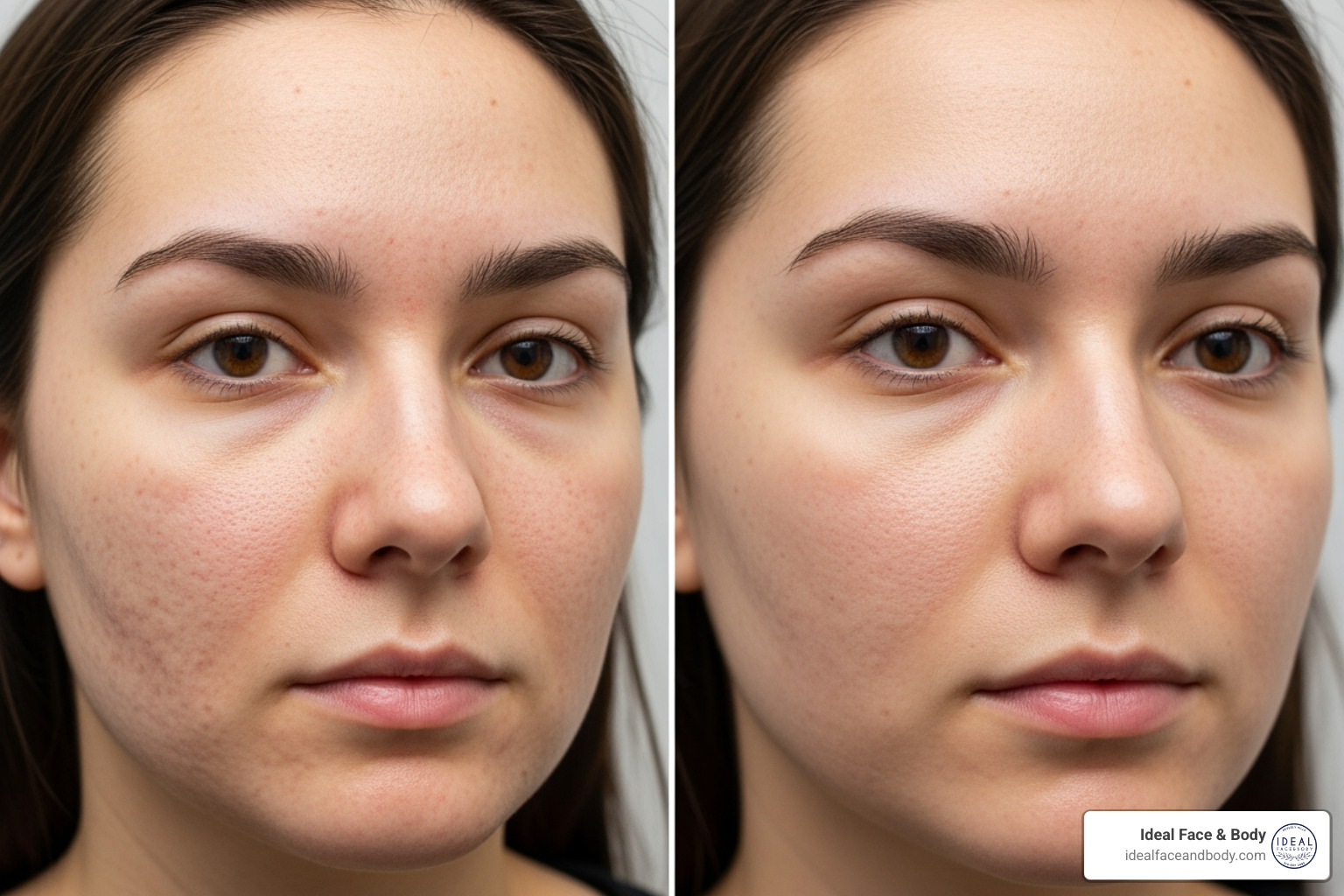
Acne is a skin condition that presents in various forms, from minor blemishes to more severe, persistent breakouts. While many over-the-counter products are available, professional medical guidance can provide a more planned approach to treating this condition. The field of dermatology provides specialized treatment and a wide range of tools to diagnose the specific type of acne an individual has and develop an individualized management plan.
Understanding Acne Causes
Acne develops when hair follicles become clogged with oil and dead skin cells. This environment allows bacteria to multiply, producing inflammation and the formation of pimples. Numerous factors contribute to this process, including hormone changes that increase oil production and genetic proneness. A dermatologist helps identify the causes contributing to your condition.
Exploring Treatment Options
Dermatology has a wide range of treatments that aren’t available over the counter. These include topical retinoids, which prevent clogging of hair follicles, as well as prescription-strength benzoyl peroxide or antibiotic lotions to reduce bacteria and inflammation. These options areused for mild to moderate cases of acne.
For more moderate to severe cases, oral medications may be recommended. These include antibiotics, hormonal therapies for women, or isotretinoin, depending on your medical history and acne severity. A dermatologist will explain the benefits and possible side effects of each treatment, helping you choose the option that fits your needs.
Managing Persistent Breakouts
If initial treatments do not resolve persistent breakouts, a dermatologist can offer more advanced procedures to manage symptoms and prevent scarring. These solutions are performed in a clinical setting and can be tailored to your specific skin condition. Treatments may include:
- Chemical Peels: A dermatologist applies a chemical solution to exfoliate the top layers of skin and unclog pores, reducing breakouts and improving skin texture.
- Light and Laser Therapies: These treatments use specific wavelengths of light to target acne-causing bacteria and reduce inflammation. They can also shrink oil-producing glands to prevent future breakouts.
- Corticosteroid Injections: For large, painful acne nodules or cysts, a dermatologist injects a diluted corticosteroid directly into the blemish to quickly reduce inflammation and prevent scarring.
Your dermatologist will discuss which of these treatments is most appropriate for your type of acne.
Preventing Future Flare-Ups
Preventing new blemishes is a part of acne management. A dermatologist can help develop a personalized, long-term skincare routine tailored to your skin type. This routine can include recommendations for cleansers, moisturizers, and sunscreens that won’t clog pores. Following this maintenance plan helps preserve the results of active treatment and keep your skin clear over time.
Supporting Healthy Skin
Dermatology also addresses the secondary effects of acne, such as post-inflammatory hyperpigmentation and scarring. Your dermatologist determines which procedures are appropriate for your skin. These may include:
- Microneedling: This procedure can help improve skin texture and tone.
- Laser Resurfacing: This treatment stimulates the skin’s healing processes.
- Chemical Peels: Specific types of peels can help minimize the appearance of acne scars over time.
Partner with Dermatology Today
Treating acne sometimes requires professional medical treatment. A dermatologist works with the patient from diagnosing the underlying causes to developing an individualized treatment and maintenance plan. This medical partnership can lead to clearer skin and help prevent long-term effects like scarring. To begin addressing your acne with professional guidance, schedule a consultation with a dermatology provider.