

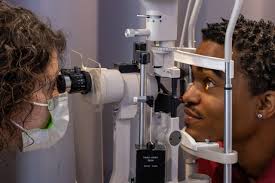
Routine eye exams play a significant role in detecting vision changes and identifying potential problems long before symptoms appear. Monitoring eye health over time enables providers to detect early signs of conditions such as glaucoma, cataracts, or retinal disease and begin treatment when it is most effective. Here is more information on how regular eye exams can prevent serious vision issues:
Identifying Early Signs
A key benefit of routine eye exams is their ability to detect serious eye conditions that often have no early symptoms. Your optometrist identifies subtle changes in your eyes that indicate the beginning of a problem; this is helpful for effective treatment. Here are some eye conditions optometrists can detect during an exam:
- Glaucoma: This condition damages the optic nerve, leading to irreversible vision loss.
- Diabetic Retinopathy: Individuals with diabetes require regular eye examinations to monitor for retinal vascular damage, often leading to blindness if left untreated.
- Macular Degeneration: This is one of the causes of vision loss in older adults, and it affects central vision.
These conditions can develop without any pain or noticeable changes in sight; a scheduled eye checkup is your first line of defense.
Keeping Prescriptions Accurate
Your vision can change gradually over time without you realizing the full extent of the shift. You may find yourself squinting to read or experiencing frequent headaches; these are often signs that your prescription is no longer correct. An outdated prescription for glasses or contact lenses can cause discomfort and strain your eyes. During an eye exam, your optometrist performs a refraction test to determine the precise lens power you need for the clearest vision. This makes sure your prescription is perfectly tailored to your current needs and helps to reduce eye strain.
Checking Overall Health
Your eyes can reveal a lot about your overall health. During comprehensive eye exams, optometrists examine the blood vessels, nerves, and tissues inside your eyes. These structures often show early signs of systemic health conditions that affect the entire body.
For instance, unusual changes in the blood vessels of your retina can indicate high blood pressure or diabetes. An eye doctor may also detect signs of high cholesterol or even certain autoimmune diseases during an exam. This makes a routine eye examination a valuable tool for monitoring overall health, not just vision.
Staying Ahead of Problems
Based on your eye exam results, your optometrist creates a personalized plan to protect your vision for the future. This proactive approach helps to manage risks and maintain eye health in the long term. Here’s how your optometrist helps you stay ahead of problems:
- Your doctor will recommend a specific schedule for future eye exams based on your age, risk factors, and current eye health.
- If early signs of a condition are identified, a monitoring plan will be established to track changes.
- You will receive personalized advice on lifestyle adjustments, such as diet or UV protection, to support your eye health.
This helps you take control of your vision and make sure you are doing everything possible to prevent future problems.
Schedule Your Eye Exams Today
Regular eye exams are a key component of preventive healthcare. They allow for the early detection of serious conditions, make sure your prescription is accurate, and can reveal signs of other health issues. Contact a qualified optometrist near you to schedule your comprehensive eye exam today.