

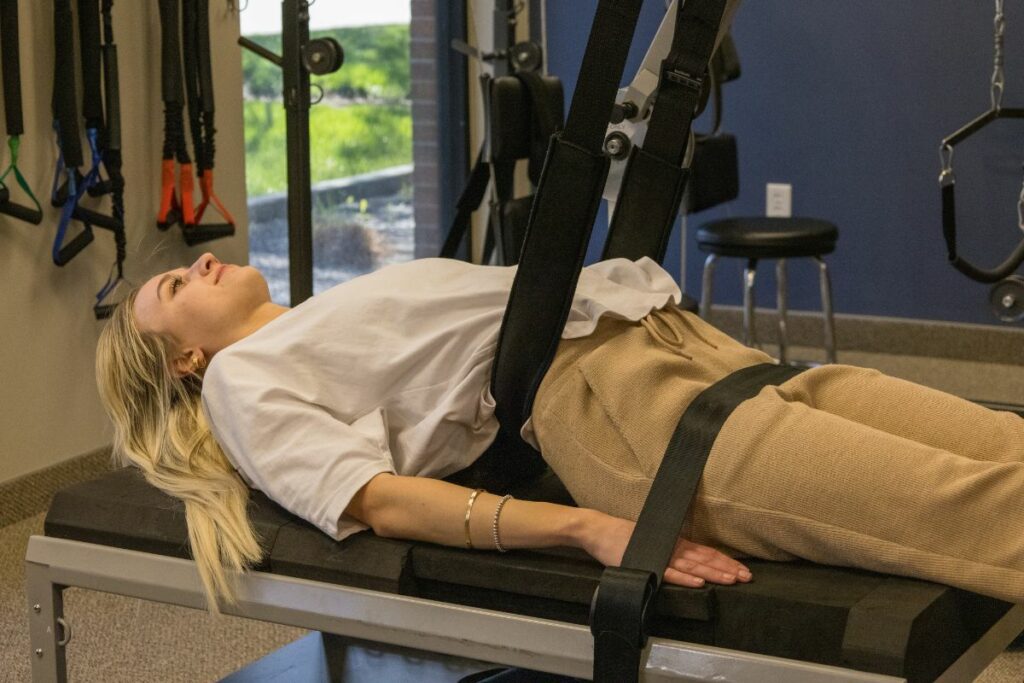
Spinal decompression is a non-surgical treatment approach often used to address conditions that contribute to ongoing back discomfort. This therapy aims to improve mobility and support the body’s natural healing process. Here’s more information on how spinal decompression can alleviate chronic back pain:
Relieving Spinal Pressure
The spine is a complex structure of bones, ligaments, and nerves; it requires specific spacing to function correctly without pain. Spinal stenosis occurs when the spinal canal narrows, putting pressure on the nerves traveling through the lower back. Spinal decompression creates more space within the spinal canal, allowing the nerves to function without interference. This is the fundamental goal of the procedure, directly addressing the mechanical root cause of the pain.
Treating Spine Conditions
Determining if you are a candidate for spinal decompression requires identifying specific symptoms related to nerve compression. If you experience the following symptoms, your doctor may suggest this treatment as a helpful option:
- Sciatica pain: This sharp or burning pain travels from the lower back down through the legs.
- Loss of endurance: You may experience difficulty walking long distances or standing for extended periods.
- Dull, aching pain: This discomfort often settles around the legs, groin, and buttocks.
- Numbness or tingling: Sensations of “pins and needles” often occur in the calves, thighs, and buttocks.
- Loss of balance: Compression of the nerves can impair stability and coordination during walking.
You should seek a medical evaluation if these issues interfere with your daily mobility.
Exploring Decompression Therapy
Patients often worry about the complexity of spinal decompression procedures, but modern decompression techniques are designed to be minimally invasive. Here is what generally happens during these appointments:
- Short procedure time: Procedures such as the MILD procedure typically take less than an hour.
- No general anesthesia: Many of these procedures do not require the patient to be unconscious, lowering the risk of complications.
- Small incisions: The doctor makes a very small incision, often the size of a dime, which leaves minimal scarring.
- Quick discharge: Most patients are discharged the same day, often within a few hours of surgery.
- Rapid recovery: Patients typically resume normal activity within 24 hours with few restrictions.
Make sure you discuss your specific medical history with your physician to understand your personal recovery timeline.
Improving Long-Term Function
The primary benefit of spinal decompression is to reduce chronic pain and restore function. These procedures provide a solution that lasts much longer than steroid injections or oral medications by physically altering the space within the spine. This allows patients to plan their lives without the constant worry of recurring back pain.
Patients also experience a significant improvement in their ability to stand and walk upright. Before treatment, many people with spinal stenosis adopt a flexed posture to avoid pain, which limits their social and physical activities. After decompression, the pressure on the nerves is gone, allowing for better posture and increased mobility.
Book Your Spinal Decompression Appointment
Chronic back pain caused by spinal stenosis helps no one, and leaving it untreated can lead to worsening mobility issues. Spinal decompression offers a clinically proven, minimally invasive approach to relief for individuals suffering from nerve compression. These treatments restore the necessary space in the spinal canal. Contact a pain management specialist near you to book your appointment and review your treatment options today.
- Understanding Your General Dentist’s Role in Oral Cancer Screenings
- The Role of Mental Health in Personal Growth and Development
- Physical Therapy Techniques for Strengthening Muscles
- How a Holistic Mental Health Clinic in Orem Addresses Whole-Person Wellness
- The Benefits of a Podiatrist in Sports Performance