

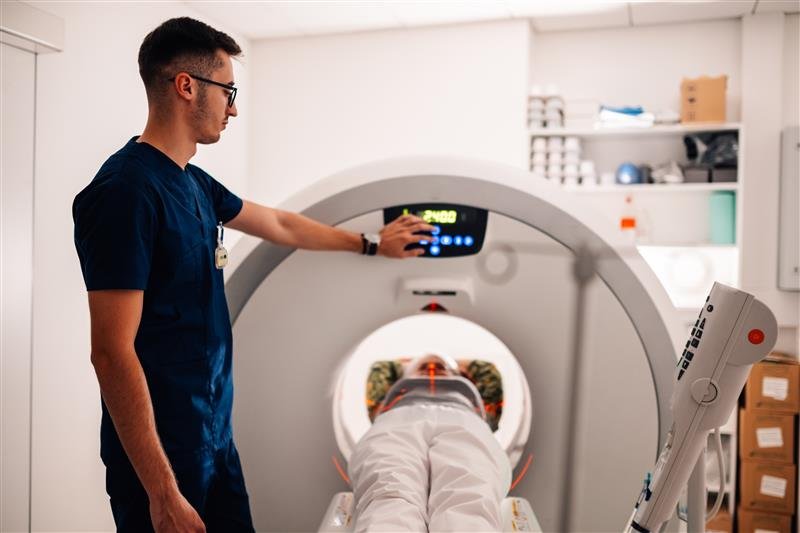
Medical diagnostic imaging centers help your doctor see clearly what is happening inside your body. Using tests such as X-rays, MRIs, and CT scans, these centers can provide detailed images that guide medical decisions. Choose a center that works most effectively for your needs and scheduling preferences. Here is more information on how to choose a diagnostic center:
Determine Imaging Needs
Your physician will typically give you a prescription with clear directions on which imaging test you need. Some centers focus on MRIs, and others primarily offer X-rays or CT imaging. Because not every facility offers every type of test, look for one that supports your specific scan.
Insurance may determine much of your choice when arranging medical care. Selecting an in-network medical diagnostic imaging center typically saves you time, whereas using an out-of-network provider may lead to issues. To avoid unexpected expenses, call your insurance company and confirm coverage details before you schedule.
Where a center is located affects your plans for the day of your procedure. Some diagnostic tests require a driver for the trip home, so a nearby location helps you avoid unnecessary travel. This choice may make your experience more convenient.
Evaluate Imaging Equipment
Advances in imaging technology typically lead to better patient experiences. Updated machines produce sharper images in shorter amounts of time, and they generally make the process more efficient. When you research a facility, ask about the year and type of their imaging equipment during your call. Traditional MRI scanners have a closed design, which some patients find uncomfortable or confining.
Seek Accurate Diagnostic Information
Radiologists interpret your images and send comprehensive reports to your physician. Checking the credentials and certifications of these specialists helps you simplify the diagnostic process. Not all centers have the same level of expertise, so take time to verify their qualifications. You might choose to:
- Look for board-certified radiologists.
- Ask about the center’s accreditation.
- Inquire about how long results typically take.
- See if sub-specialty readings are available.
Check Communication Style
Staff interactions shape each step of your experience, from your first call or visit to the day of your exam. Good communication from the beginning builds trust, but sometimes, busy centers may rush appointments and skip over your questions. Notice how attentive and clear the staff members are, both on the phone and in person.
Being prepared for your imaging appointment prevents unnecessary delays or rescheduling. Centers need to give you clear guidance about what to eat, wear, or change about your medications, depending on the study. How directly and simply the staff explain these requirements may reflect how much support you will have during the process.
Find a Medical Diagnostic Imaging Center
Choose a center that meets your unique needs. Doing some research leads you to a facility with appropriate technology, qualified specialists, clear communication, and an accessible location. Your decision impacts both your experience and the accuracy of the medical information you receive. If you’re ready to schedule or need help finding the right diagnostic imaging center, reach out to an imaging center today for assistance.