

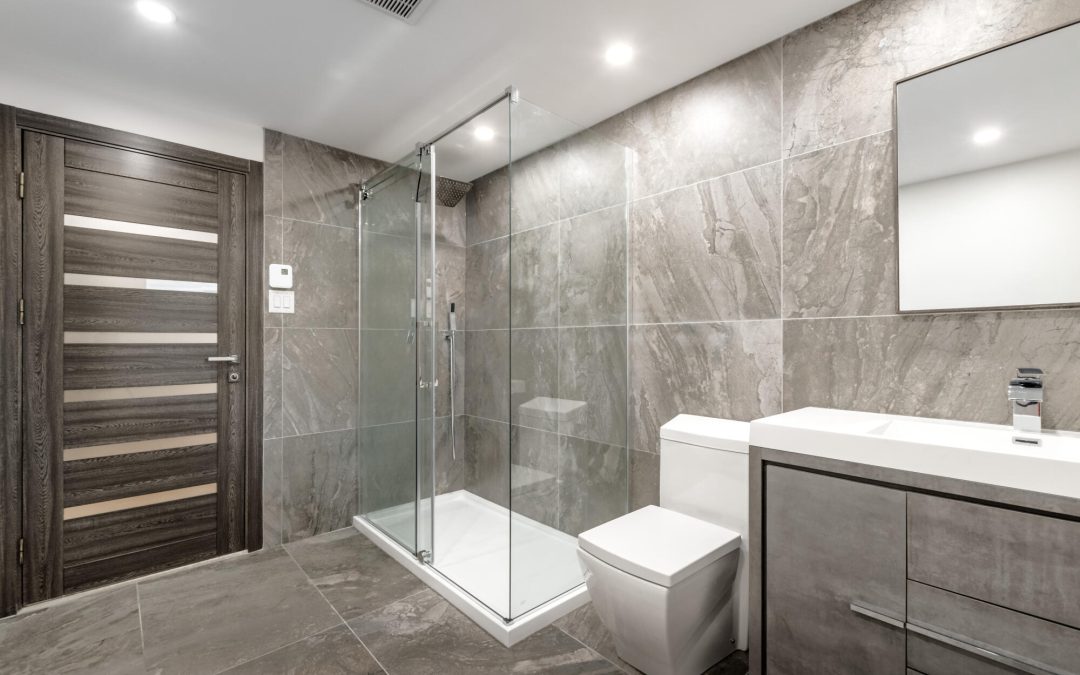
Key Takeaways
- Upgrading from a tub to a shower increases accessibility and modern appeal.
- Project costs vary widely depending on materials, style, and structural needs.
- Proper design and material choices maximize utility and appearance.
- Common mistakes can be avoided through careful planning and proper installation techniques.
- The typical project takes less than a week, though more elaborate designs may require extra time.
Converting a bathtub into a shower can modernize your bathroom, optimize your space, and improve accessibility for everyone in your household. This comprehensive guide covers everything you need to know about tub to shower conversions, from understanding the benefits and costs to finding inspiring design ideas. Making the switch is not only about style but also about enhancing your bathroom’s usability for years to come.
Whether you are looking to make your home more accessible or simply update for a sleek, modern feel, a tub-to-shower conversion can make a significant difference in both everyday convenience and resale value. The process involves important choices about materials, layout, and functionality, so it’s essential to approach the project with clear information and a solid plan.
The right conversion can maximize the space in a small bathroom or upgrade the appearance of a larger one. You will also have the flexibility to tailor your shower with custom features like benches, unique tile arrangements, and built-in shelving.
Before starting your renovation, consider any long-term needs for accessibility and easy maintenance. A well-executed conversion adds not only visual appeal but also real value to your property while reducing risks of slips and falls. If you’re thinking about more extensive aging-in-place upgrades, resources like NerdWallet’s guide to aging-in-place home renovations offer in-depth information for accessible home improvements.
Why Consider a Tub-to-Shower Conversion?
Switching from a tub to a shower is an appealing solution for homeowners seeking improved accessibility. Showers are easier to enter and exit, reducing the chance of slips, which is especially important for seniors or people with mobility challenges. This type of conversion can also help create a sense of space, turning cramped bathrooms into open, modern sanctuaries.
Many homebuyers are also gravitating toward shower installations as they are seen as more contemporary and easier to clean. Removing a rarely-used bathtub in favor of a walk-in shower can open up floor space and make your daily routine more efficient. These functional improvements increase your home’s value and its appeal to potential buyers who prioritize both comfort and convenience.
Understanding the Costs Involved
The cost of converting a bathtub into a shower can range significantly based on several factors. Most projects fall in the $3,000 to $8,000 range, but prices may stretch from $1,200 for basic updates to $15,000 or more for custom, luxury results. Several key considerations affect your final budget, such as the type of shower system (prefab vs. custom), material selection, fixture upgrades, plumbing changes, and labor.
Prefab shower kits are the most affordable way to convert, while custom tile showers involve more design choices but come at a higher price point. It is important to anticipate unexpected costs that can arise due to plumbing or electrical adjustments during demolition. Labor costs can also vary, especially if structural reinforcements or new waterproofing systems are necessary. For more on budgeting, this Modernize guide on tub-to-shower conversion costs outlines price breakdowns in detail.
Design Options and Material Choices
Choosing the right materials will set the tone for your new shower, impacting not only style but also maintenance needs. The most popular finishes and features include:
- Ceramic Tile: An affordable and versatile choice, offering countless color and pattern options. Tile is highly water-resistant and ideal for most bathrooms.
- Porcelain Tile: Even more durable than ceramic, porcelain handles moisture well and conveniently resists staining and scratches.
- Acrylic Panels: Lightweight and simple to install, these panels inhibit mold and mildew growth and are available in a range of colors and textures.
- Natural Stone: Bringing in marble, travertine, or slate creates a luxe feel. Stone requires periodic sealing to protect against moisture damage.
- Fiberglass: The easiest and most affordable material to install, fiberglass offers good durability and simple upkeep.
Enhance your shower’s functionality with built-in benches, hand-held or rain-style showerheads, grab bars for safety, and frameless glass doors for a clean look. Creative shelving and recessed niches keep essentials tidy and accessible. Browse online galleries and bathroom design magazines for unique layout inspiration.
Common Mistakes to Avoid
Successful tub-to-shower conversions rely on skills and careful planning. Here are several frequent pitfalls and how to overcome them:
- Inadequate Waterproofing: Skipping or poorly applying waterproof membranes leads to leaks and costly water damage over time. Always use a waterproof barrier beneath tile or stone.
- Poor Drain Placement: Drains that are poorly situated cause standing water and slow drainage. Double-check placement during planning, especially if enlarging the shower’s footprint.
- Lack of Ventilation: Without a powerful exhaust fan, moisture buildup will foster mold. Always upgrade ventilation if necessary.
- Insufficient Storage: Overlooking shelf or niche space leads to clutter and inconvenience. Include built-in storage for daily use items.
Consult reputable professionals and double-check regulations before starting your project to avoid costly setbacks.
Timeline and Steps Involved
The average tub-to-shower conversion takes three to seven days from start to finish, depending on the work’s complexity and whether any surprises emerge. The process typically includes:
- Planning and Design: Choose the layout, features, and materials that fit your budget and style.
- Demolition: Remove the old bathtub and any unwanted fixtures, followed by prepping the area for installation.
- Plumbing and Electrical Adjustments: Move pipes or wiring as needed for new shower controls or lighting.
- Shower Installation: Set the base or pan, followed by installing the wall material and fixtures.
- Finishing Touches: Seal all surfaces, paint, and add accessories or shelving as desired.
Larger or more customized projects may require extra time for specialty orders or inspections. Always allow contingency time in your planning stages to account for the unexpected.
Conclusion
A tub-to-shower conversion is a smart home upgrade, combining safety, comfort, and modern appeal. With an understanding of expected costs, material choices, possible pitfalls, and the renovation timeline, you can approach your project with confidence. Whether you want increased accessibility, a fresh new look, or both, converting your bathtub to a shower is a valuable investment in your home’s comfort and long-term value.
- 6 Bathroom Renovation Resources Spokane Homeowners Can Use for Safer, Easier-Care Spaces
- How R&D Center Helps People Find Personalized Drug Treatment in Philadelphia, Pennsylvania
- How Play Builds School Readiness for Preschoolers in Greensboro, North Carolina
- How to Choose the Right Way to Sell a House in Fayetteville, North Carolina
- Navigating Mental Health Resources and Therapy Options