

Participation in sports increases the risk of musculoskeletal injuries. These injuries range from mild sprains to more serious ligament tears, and every activity level has associated injury factors. Understanding prevention and management helps avoid such injuries. Sports medicine is a helpful option for those recovering from or injured.
Sports Medicine and Injuries
Musculoskeletal injuries encompass a variety of injuries, which can occur suddenly or result from long-term repetitive stress. Whether caused by sport or work activities, individuals face risks such as sprained ankles, torn muscles, tendinitis, and stress fractures. Acute injuries like joint damage or tendon tears need quick care, while chronic issues like degeneration take time to develop. Each type needs specific treatment and early action to avoid complications. Because injury frequency is related to both activity and exposure, understanding risk factors helps with preventative measures.
Sports medicine addresses diagnosis, treatment, and prevention of injuries linked to movement or activity. The main focus is on the musculoskeletal system, and care includes managing problems with bones, joints, muscles, or tendons. Assessment methods involve clinical examination and imaging. Treatment can be conservative or surgical, and prevention relies on individualized recommendations based on the individual. The goal is to reduce injury, help recovery, and promote long-term musculoskeletal health.
Sports and Preventative Measures
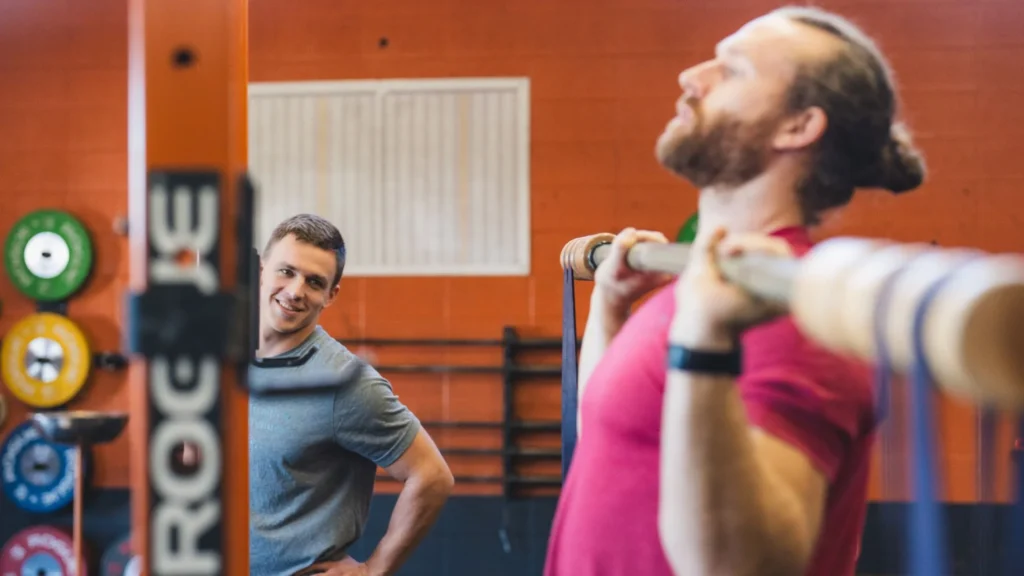
The best approach to reducing injury starts before activity begins. Preseason conditioning, which focuses on strength and flexibility, helps build a solid musculoskeletal foundation. Studies show these programs reduce injury rates. Conditioning should include strength training, flexibility routines, and cardiovascular exercises designed around planned activities. Balance and functional training further enhance protection. These exercises help train the nervous system, and they improve reaction and balance, reducing the frequency of traumatic events during activity.
Protective equipment serves a specific role in prevention. Eye protection lowers the risk of facial injury, and some braces may reduce certain injuries. Researchers claim that helmet and footwear use for contact sports is protective. Warm-up routines and correct technique are both proven methods for injury reduction. Dynamic warm-ups increase muscle temperature, and they prepare joints for movement and stress. Mastery of proper technique is equally important, so learning correct form in any activity can limit the load on vulnerable structures, and quality movement can prevent poor habits.
Sports Recovery
Management of injury often starts conservatively. Most protocols prioritize healing before a return to activity, because early movement can sometimes lead to setbacks or new injuries. Recommended care includes:
- Rest, ice, and elevation
- Taking over-the-counter pain medication
- Losing weight
- Quitting smoking
- Physical therapy
- Occupational therapy
- Regenerative medicine (for example, platelet-rich plasma)
- Activity modification
Individual needs vary according to age, activity level, and injury. Evaluation determines the appropriate level of intervention, and modification of activities helps prevent further problems and supports recovery. Surgical intervention is reserved for severe circumstances. When conservative options do not succeed, surgery may be necessary, and recovery then follows a structured plan. The aim is always to restore function with as little disruption as possible.
Find Care
Injury prevention and sports medicine in sport and active life rely on a combination of preparation, technique, equipment use, and tailored intervention. Evidence supports preseason conditioning, functional balance, and focused warm-up as key strategies, and each individual should adjust their approach based on unique risks. Early recognition, conservative care, and, when needed, surgical options all play a role, and structured guidelines lead to better long-term outcomes. Regular reassessment and adaptation maintain musculoskeletal health, and these core strategies support sustained participation in physical activity. Find care near you to return safely to sports.