

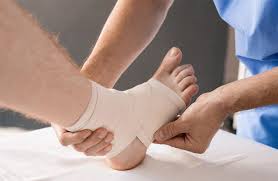
Foot and ankle surgery addresses conditions that impact the bones, joints, ligaments, and soft tissues of the lower limbs. Surgeons treat a variety of issues, including injuries and deformities, and they aim to improve overall function. Here is some information about innovations in foot and ankle surgery:
Minimally Invasive Surgery
Minimally invasive surgery uses small incisions and advanced instruments to treat a range of foot and ankle conditions. During these procedures, surgeons rely on cameras and tools that fit through tiny openings, and this allows for detailed work with greater control. In a minimally invasive bunion correction, the surgeon makes several small cuts and shifts the bone back into proper alignment. Hammertoe repairs may also use this approach, as well as some types of ankle arthroscopy.
Minimally invasive techniques also address soft tissue injuries, ligament repairs, and tendon problems with less disruption to surrounding tissues. Fractures once treated with traditional open surgery now have minimally invasive options for stabilizing the bone using internal hardware accessed via small entry points. The new technology guiding these procedures, including high-definition imaging and computer-assisted navigation, has added another layer of accuracy, and surgeons can perform procedures more efficiently. Some methods are performed on an outpatient basis, so you may return home the same day.
Traditional Foot and Ankle Surgery
Traditional foot and ankle surgery involves a larger incision at the site of the problem; this gives the surgeon a clear view of the anatomical structures. Surgeons often rely on open surgery for conditions such as severe fractures, advanced deformities, and joint instability. A larger opening allows for the placement of plates, screws, or artificial joints, which can restore alignment and stability.
In cases of complex trauma, such as shattered bones or dislocations, open surgery provides access to reconstruct bone structure and repair damaged tissues. Severe bunions and rigid hammertoes that do not respond to less invasive options are also addressed using traditional methods, and it may involve cutting bone or repositioning joints. Chronic infections, tumors, or deep abscesses can require open procedures for adequate removal and thorough cleaning.
Open surgery enables the surgeon to protect nerves, blood vessels, and tendons more easily, reducing the risk of unintentional injury. While recovery is often longer, this approach delivers precise correction and is typically needed for severe or complicated cases. The choice between open and minimally invasive surgery depends on your individual diagnosis and overall health profile.
Reconstructive Surgery
Reconstructive surgery addresses structural issues in the foot and ankle that may come from traumatic injuries, degenerative diseases, or congenital disabilities. The aim is to restore or improve the shape and function of the foot and ankle, supporting movement and comfort. Common reconstructive techniques include:
- Joint fusion: This stabilizes painful or deformed joints by permanently joining the bones together
- Tendon transfer: Doctors may transfer tendons to rebalance the forces across the foot and ankle, and this procedure helps improve overall foot function for nerve-related deformities.
- Bone reconstruction: This may be necessary if fractures have healed poorly, leading to deformity or instability. Surgeons cut and realign bones to restore a natural position, and they often use screws, plates, or rods to hold them in place as they heal.
- Soft tissue procedures: Tendon grafting or lengthening addresses contractures, chronic tears, or imbalances caused by disease or injury.
Visit a Podiatrist Today
A podiatrist can provide a thorough evaluation of your condition; they will assess your needs and treatment pathways, providing clarity about your options. Early intervention can prevent complications and help you maintain mobility and overall foot health. If you are experiencing discomfort, schedule an appointment with a podiatrist today.