

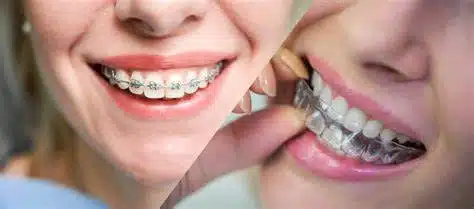
Deciding on teeth straightening is a step toward a new smile, but the choice often comes down to two popular methods. Invisalign and traditional braces both help align your teeth. Understanding their differences is key to making an informed decision. Compare the treatments, and choose the best path for your needs.
Appearance During Treatment
Traditional braces use metal brackets and wires. These components are visible on your teeth. Clear braces are less prominent than metal braces but still noticeable up close. Some choose clear braces for reliable, more subtle appliances. Invisalign aligners are made from clear, durable plastic. They fit snugly over your teeth. Adults and teenagers may prefer this option because it allows teeth to be straightened more subtly. The design uses no brackets or wires, so it provides an alternative to traditional fixed appliances. Removable Invisalign aligners let you feel more comfortable at special events or in photos. Some individuals find this flexibility helpful in professional or social situations. Both Invisalign and clear braces are designed to address aesthetic concerns during treatment. The best option depends on your preferences, so listen to your orthodontist’s guidance.
Instruction and Care
Braces are attached to your teeth for the duration of the treatment, so you cannot remove them until the process is complete. Carefully clean around brackets and wires using special brushes and tools to remove food and plaque. This may take longer than regular brushing. Certain foods, such as sticky candies, hard nuts, and popcorn, are often avoided to prevent issues with braces or wires. If a bracket or wire is defective, an additional visit to the orthodontist is required. Invisalign aligners are removable, so you take them out to eat and drink.
This flexibility means you do not have food restrictions, allowing you to enjoy your usual meals and snacks during treatment. If they are removed too often, your treatment time is affected. Proper hygiene is straightforward with Invisalign because you can brush and floss normally, as you would without braces. With fixed braces, cleaning your teeth requires extra time, and you must follow your orthodontist’s care instructions. Invisalign users also clean their aligners regularly for freshness and clarity. Both options need daily hygiene routines, but the specific care steps differ.
Treatment Process Differences
Both methods address underbites and general straightening; an orthodontic consultation determines suitability. During your visits, your orthodontist tightens the wires and checks your progress. This routine helps monitor alignment over time and allows modifications as needed. Invisalign uses a series of custom-made aligners for your teeth and treatment plan. Progress is monitored at scheduled visits, sometimes spaced farther apart than braces appointments. Some orthodontic practices use virtual check-ins during Invisalign treatment, based on office procedures. Both treatments address a range of alignment concerns; timelines vary based on your needs. Braces are suggested for some alignment challenges, and Invisalign for others. Consistent wear of removable aligners is needed to support progress. Your orthodontist will review each approach with you and explain your options.
Schedule Your Invisalign Consultation
The right choice depends on your specific orthodontic needs and lifestyle. Each option has distinct benefits for achieving a straighter smile. An orthodontic consultation is the best way to explore your options. A professional will assess your situation and recommend the most suitable treatment. Do not wait, contact an orthodontist to discuss your goals today.