

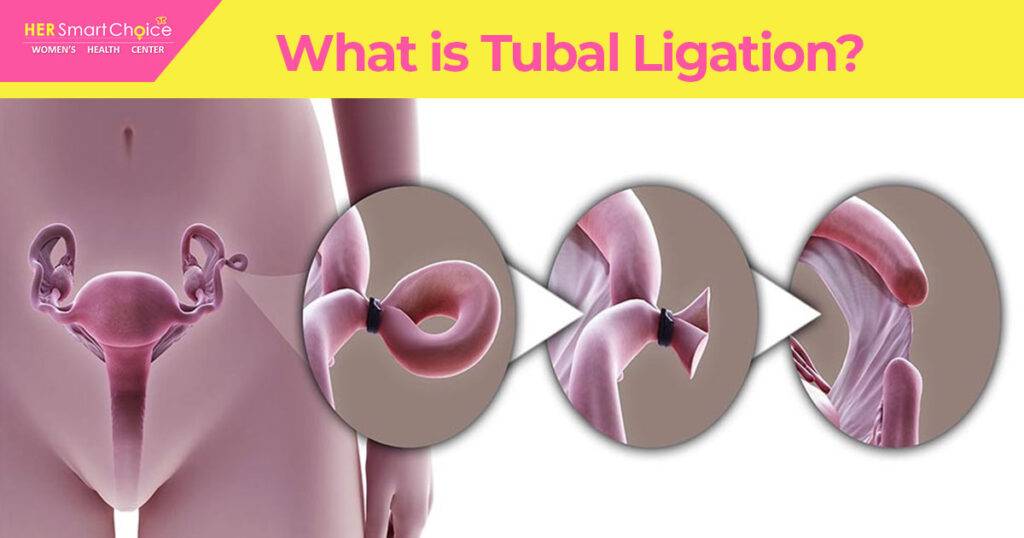
Decisions made years ago regarding family planning may no longer align with current desires. Many individuals undergo tubal ligation as a permanent form of birth control. Some women later may desire to restore their fertility. Tubal reversal surgery offers a potential pathway for those wishing to conceive naturally after a previous sterilization procedure.
What Is Tubal Reversal?
Tubal reversal is a surgical procedure designed to restore fertility in women who have had a tubal ligation. During a ligation, the fallopian tubes are cut, tied, or blocked to prevent eggs from traveling from the ovaries to the uterus and to stop sperm from reaching the egg. Reversal surgery attempts to reconnect these blocked or severed segments. A surgeon uses microscopic instruments to carefully stitch the two remaining healthy ends of the fallopian tubes back together. When successful, this allows the egg and sperm to meet again, making natural conception possible.
Who Is It For?
Not every individual who has undergone sterilization is an ideal candidate for reversal. Several factors influence eligibility and the likelihood of a successful pregnancy post-surgery. These include:
- Age and Ovarian Reserve: As women age, egg quality and quantity naturally decline. Specialists often evaluate ovarian reserve through blood tests before recommending surgery to verify that viable eggs remain available for conception.
- Type of Original Ligation: The specific method used to tie the tubes matters. Procedures involving clips or rings generally cause less damage to the fallopian tubes compared to methods involving burning or extensive cutting.
- Fertility Factors: The partner’s sperm count and quality must be sufficient for natural conception. The uterus must be free of significant abnormalities like large fibroids or scar tissue that could impede implantation.
What Does It Entail?
Understanding the surgical process helps manage expectations regarding recovery and outcomes. Surgeons usually perform this operation under general anesthesia. A small incision is made in the lower abdomen. The surgeon removes the blocked ends of the tubes and aligns the inner openings.
Most patients return home the same day or the following morning. Recovery time varies, but individuals might be able to resume light daily activities within a week. Pain medication helps manage postoperative discomfort. It is standard advice to abstain from heavy lifting or strenuous exercise for several weeks to allow the abdominal muscles and internal tissues to heal properly.
Like all surgeries, risks exist, including infection, bleeding, or reactions to anesthesia. To address these risks, surgeons follow strict protocols to minimize complications before, during, and after the procedure. Preoperative assessments help identify any underlying health concerns that may require special attention. In the operating room, precise surgical methods and continuous monitoring support patient safety. After surgery, doctors can provide clear instructions for postoperative care and schedule follow-up appointments to monitor healing and address any symptoms promptly.
Speak With a Fertility Specialist
Navigating the path to renewed fertility involves gathering precise medical data about your specific situation. Consulting a reproductive surgeon provides the opportunity to review operative reports from your original ligation and undergo necessary screening tests. These specialists can offer a realistic prognosis based on your anatomy and hormonal profile.
- The Role of Mental Health in Personal Growth and Development
- Physical Therapy Techniques for Strengthening Muscles
- How a Holistic Mental Health Clinic in Orem Addresses Whole-Person Wellness
- The Benefits of a Podiatrist in Sports Performance
- Understanding Common Skin Conditions Treated in Dermatology