

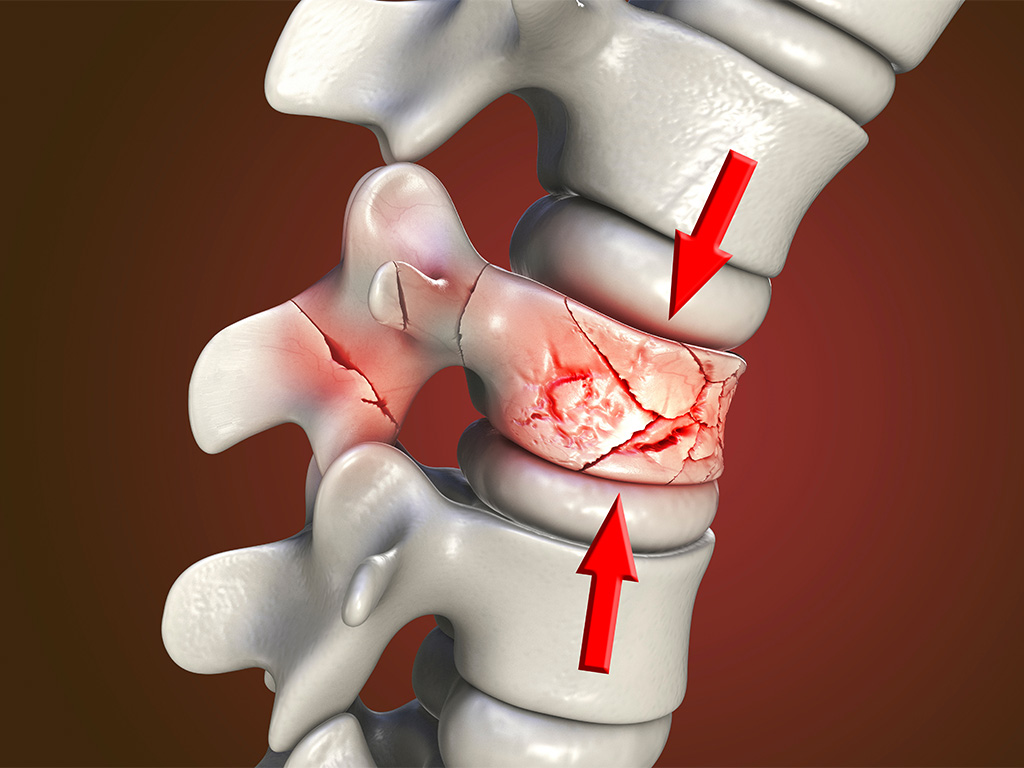
Osteoporosis weakens bones, making them susceptible to fractures even from minor stresses. These fractures often occur in the spine, leading to pain and structural changes, but medical interventions are available to address these issues. Kyphoplasty is a minimally invasive procedure designed to stabilize the vertebra and reduce pain. Here is more information on the nature of these fractures and the long-term efficacy of kyphoplasty as a treatment option:
What Are Osteoporotic Fractures?
Osteoporotic fractures are breaks in the bone specifically caused by the reduced bone density associated with osteoporosis. These injuries frequently affect the vertebrae in the spine, and they are also referred to as compression fractures. The collapse of the vertebral body results in significant pain and spinal deformity. Kyphoplasty reduces pain and restores stability.
What Causes Them?
The primary cause of these fractures is the progressive loss of bone mass and density. Bones become porous and brittle over time, so they lose the ability to support normal bodily loads. A simple activity like lifting a grocery bag or coughing can trigger a fracture in severe cases. This condition predominantly affects older adults.
Hormonal changes also play a role in the development of this condition. Estrogen levels drop in women after menopause, and this decrease accelerates bone loss. Low testosterone levels can contribute to bone weakness in men, or medications like corticosteroids may reduce bone density. Regular screenings help identify risk factors early.
What Is Kyphoplasty?
Kyphoplasty is a surgical procedure aimed at stopping the pain caused by a spinal fracture. It differs from vertebroplasty because it attempts to restore the collapsed vertebra’s height before stabilizing it. A physician uses a small balloon to create space inside the bone, and they fill that space with medical cement. This approach addresses both the structural deformity and the symptomatic pain associated with the fracture.
What Does It Involve?
The procedure typically takes place under local or general anesthesia, depending on the patient’s overall health. A surgeon inserts a hollow needle into the fractured vertebra using X-ray guidance to direct the instrument. A balloon is inserted through the needle and inflated to raise the collapsed bone, and this creates a cavity for the cement. Once the height is restored, the surgeon deflates and removes the balloon and injects bone cement into the cavity to stabilize the bone.
What Are the Long-term Benefits?
One of the primary long-term benefits is the sustained reduction in back pain. Patients may report improved comfort levels months and years after the surgery, for the stabilized bone no longer rubs against surrounding tissues. This pain relief facilitates a return to daily activities and improves overall quality of life.
Another benefit involves the restoration of vertebral height and the correction of spinal deformity. The balloon inflation reverses the collapse of the bone, and the cement maintains this corrected shape permanently. This correction helps prevent the development of kyphosis, or a hunchback curvature, which often results from untreated compression fractures. Preserving spinal alignment helps reduce the risk of future fractures in adjacent vertebrae.
Treat Your Osteoporotic Fracture
Ignoring a spinal compression fracture can lead to chronic pain and further physical decline. Kyphoplasty offers a method to stabilize the spine, and it provides lasting relief from the debilitating symptoms of osteoporosis. Consult with a spine specialist to determine if this procedure is appropriate for your specific medical situation. Addressing the issue promptly helps prevent complications and supports better long-term mobility.