

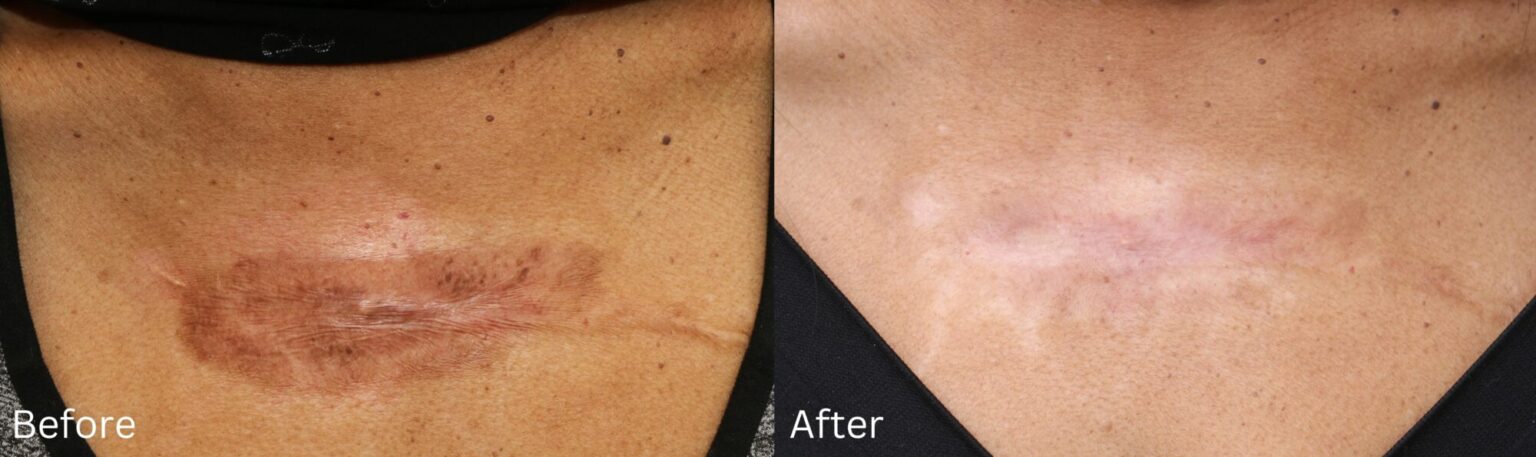
Recovering from surgery often involves managing the resulting changes to your skin. While the primary goal of any operation is medical or functional improvement, the aesthetic outcome of the healing process can remain a significant aspect of patient satisfaction. Scarring is a natural part of the body’s recovery, yet the appearance of these scars can vary greatly. Advancements in cosmetic dermatology provide effective, non-surgical options to improve skin texture and provide scar correction.
PRP Therapy
Microneedling with platelet-rich plasma (PRP) represents one of the latest innovations in aesthetic medicine for scar correction. This procedure utilizes a handheld device designed to stimulate the body’s natural production of collagen and elastin, which are two protein fibers that are linked to the skin’s structure and appearance. By creating controlled micro-injuries in the skin, the device triggers a healing response that remodels the tissue.
To dramatically enhance the results of the microneedling process, practitioners apply platelet-rich plasma to the treatment area. PRP is derived from the patient’s own blood and contains a high concentration of growth factors. These growth factors can penetrate the micro-channels created by the device, accelerating repair and regeneration.
The benefits of this treatment are comprehensive. It aims to create an improvement in the appearance of surgical scars and a reduction in acne scars. Beyond scarring, the treatment helps with the tightening of the skin, improvement of fine lines, and reduction of pore size. It is a non-invasive procedure suitable for all skin types, which may make it a versatile option for many individuals seeking skin rejuvenation.
Radiofrequency Microneedling
For those seeking to remodel the deep layers of the skin, radiofrequency microneedling offers a powerful non-surgical solution. This treatment targets the deeper dermis to stimulate collagen production and tighten the skin. This process addresses scarring, firms and tones the skin, reduces fine lines and wrinkles, and can help reduce stretch marks. It is safe for all skin types and involves little downtime, allowing patients to return to their daily activities relatively quickly. A series of treatments spaced a few weeks apart is typically recommended.
Fractional Hybrid Laser Treatment
Another advanced option for scar revision is a fractional hybrid laser. Other laser treatments may either be too shallow to be effective or too deep; these lasers combine two wavelengths to target skin damage at a precise depth. This unique hybrid approach allows the laser to eliminate skin damage. It is highly effective for improving the appearance of tone, texture, and scarring, including acne scarring. The device can be customized to precisely target specific skin damage, which can make it a flexible option regarding treatment strength and downtime.
By resurfacing the skin, a hybrid laser may improve fine lines, wrinkles, and hyperpigmentation that have developed over time due to sun exposure and the natural aging process. The treatment also reduces pore size and increases the skin’s overall radiance. The ability to improve texture and blend the scar tissue with the surrounding skin makes it a valuable tool for patients with surgical scars.
Seek Professional Scar Correction Services
Choosing a path for scar correction is a decision that involves evaluating your specific scar, skin type, and desired results. While the procedures outlined provide a look into current options, a one-on-one consultation with a dermatologist is the next step. A dermatologist can perform a physical examination of the scar, review your medical history, and help determine which treatment is best for your goals. They will explain the preparation needed before a procedure and outline the post-treatment care required to support the healing process.