

Key Takeaways
- Proper nutrition before and after surgery supports faster healing and reduces the risk of infection.
- Medical-grade skincare can minimize scarring and promote skin health during recovery.
- Combining nutrition and skincare strategies leads to a more comfortable, efficient recovery.
Table of Contents
- Importance of Nutrition in Surgical Recovery
- Essential Nutrients for Healing
- Role of Medical-Grade Skincare
- Combining Nutrition and Skincare for Optimal Recovery
- Real-Life Examples of Enhanced Recovery
- Conclusion
Undergoing surgery is a significant event, and the recovery process plays a crucial role in achieving the best outcomes. Integrating functional medicine-driven nutrition and medical-grade skincare into preoperative and postoperative care can enhance healing, reduce scarring, and improve the overall patient experience. For instance, patients considering a tummy tuck surgery with a more comfortable recovery can benefit from such integrative approaches. Donaldson Plastic Surgery, a reputable provider in Columbus, Ohio, emphasizes the importance of combining nutrition and skincare strategies to optimize surgical outcomes.
Importance of Nutrition in Surgical Recovery
Nutrition is a cornerstone of effective surgical recovery. A well-balanced diet provides the necessary building blocks for tissue repair, immune function, and overall healing. According to the American College of Surgeons, healthy eating habits before and after surgery can lead to a swift recovery and improve overall outcomes.
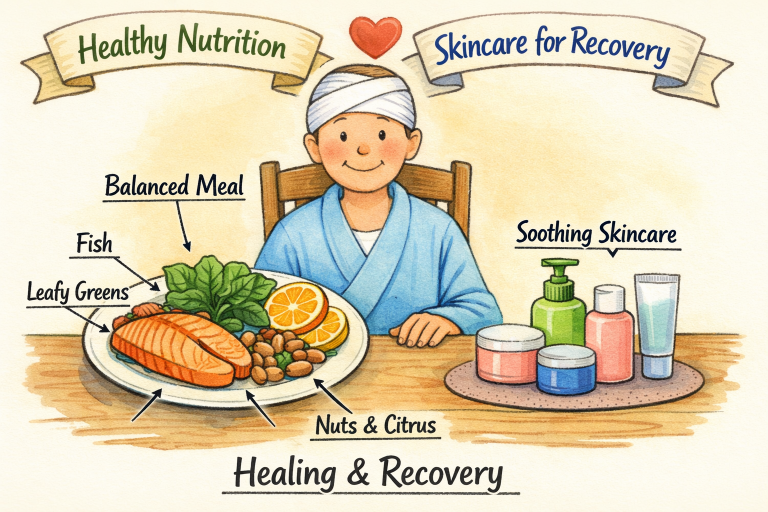
Beyond simply focusing on the number of calories consumed, paying attention to the quality of those calories becomes crucial. Whole foods that are rich in vitamins, minerals, lean proteins, and healthy fats deliver superior nourishment compared to processed foods. Patients are encouraged to consume a variety of colorful vegetables, whole grains, and high-quality protein sources, such as lean meats, fish, eggs, legumes, and plant-based proteins, in the days and weeks leading up to their procedure. Hydration is equally vital; adequate fluid intake helps maintain blood volume, supports cellular functions, and can reduce postoperative complications such as constipation and urinary tract infections.
Another frequent consideration for surgical patients is the timing of nutrition. Small, frequent meals may be more tolerable, especially in the immediate postoperative period when appetite may be reduced. Recovery diets should aim to stabilize blood sugar and provide continuous nourishment to fuel the healing process without overburdening the digestive system.
Essential Nutrients for Healing
Key nutrients that support surgical recovery include:
- Protein: Essential for tissue repair and immune function.
- Vitamin C: Promotes collagen formation and wound healing.
- Zinc: Supports cell growth and immune response.
- Omega-3 Fatty Acids: Reduce inflammation and promote healing.
Iron is another element that should not be overlooked, as hemoglobin levels can drop after surgery, particularly in procedures involving blood loss. Including iron-rich foods or a prescribed iron supplement ensures that oxygen is efficiently delivered throughout the body, supporting overall healing. Likewise, vitamins A and E also contribute to skin integrity and cellular repair. Some functional medicine practitioners may recommend specific supplements or herbal therapies to address individual deficiencies or to provide additional anti-inflammatory or antioxidant support. Always consult your surgical team or a registered dietitian before starting any new supplements.
Incorporating these nutrients into your diet can significantly enhance the healing process. For those preparing for tummy tuck surgery with proper diet and nutrition, consulting with a functional medicine specialist can provide personalized dietary recommendations.
Role of Medical-Grade Skincare
Medical-grade skincare products are formulated with higher concentrations of active ingredients and are often backed by clinical research. Using these products before and after surgery can:
- Prepare the skin for surgery by improving its health and resilience.
- Reduce the risk of infection by maintaining a healthy preprocedural skincare regimen. Your provider should guide the choice and timing of introducing such products. Preprocedural skincare steps might include gentle exfoliation and topical antioxidants, which help prepare the skin for the stress of surgery. After your procedure, your skincare routine might shift to focus on gentle cleansing and fragrance-free moisturizers to keep the skin hydrated as it heals. Once your provider clears you, silicone-based gels or sheets, vitamin E ointments, and specially formulated scar creams may be introduced. These products can help soften surgical scars, reduce redness, and improve skin elasticity. The choice and timing of introducing such products should be guided by your provider to maximize healing and minimize risks of irritation or allergic reaction.
Daily sun protection is especially crucial post-surgery. Healing incisions are more susceptible to UV damage, which can darken scars and delay their maturation. Using medical-grade sunscreen and avoiding direct sun exposure are highly recommended to safeguard the results of both your surgery and your skincare investment.
Combining Nutrition and Skincare for Optimal Recovery
Integrating both nutrition and skincare strategies creates a comprehensive approach to recovery. For instance, a patient preparing for a tummy tuck surgery can benefit from a tailored nutrition plan and a pre- and post-operative skincare regimen. Donaldson Plastic Surgery emphasizes the importance of such integrative approaches to enhance patient outcomes.
When both dietary and skincare measures are enacted together, they create a synergistic environment for healing. Good nutrition fuels the cellular repair and immune activity necessary for optimal skin and tissue regeneration, while medical-grade topical support ensures that this healing process is reflected in the outermost layers of the skin. Working with a multidisciplinary team, including surgeons, nutritionists, and skincare specialists, can help patients receive customized care that anticipates and addresses the specific challenges presented by their procedure and personal health history.
Additionally, this integrative approach can reduce patient anxiety by providing clear instructions and a sense of agency in the recovery process. Feeling empowered to care for one’s body both inside and out can greatly improve the mental and emotional aspects of surgical recovery.
Real-Life Examples of Enhanced Recovery
Patients who have adopted combined nutrition and skincare protocols often report:
- Faster healing times.
- Reduced postoperative discomfort.
- Improved appearance of surgical scars.
For example, one patient who underwent abdominoplasty attributed her smooth recovery to a regimen that incorporated lean proteins, homemade bone broth, ample fruits and vegetables, and the daily use of silicone scar therapy under clinical supervision. Another patient recovering from facial surgery noticed significant improvements in swelling and bruising after adding omega-3 supplements and high-flavonoid foods to her recovery diet, along with consistent use of physician-recommended gentle cleansers and moisturizers.
Anecdotal and clinical evidence continue to support these integrative strategies. Patients generally feel more satisfied with their surgical outcomes, less anxious about the recovery phase, and more confident in their body’s ability to heal.
Conclusion
Optimizing surgical recovery involves more than just the procedure itself. By incorporating functional medicine-driven nutrition and medical-grade skincare into the recovery plan, patients can experience enhanced healing, reduced scarring, and a more comfortable recovery journey.
If you are considering elective surgery, talk to your provider about your nutrition and skincare habits beforehand. Early planning maximizes your chances for excellent results and minimizes risks during healing. The synergistic approach of healing from within while supporting the body externally helps ensure that patients return to their daily lives with greater confidence, better health, and more aesthetically pleasing outcomes.
For those interested in learning more about this holistic process, it is valuable to schedule consultations with both a registered dietitian and a licensed skincare professional as part of your preoperative preparation. This comprehensive approach not only optimizes physical healing but also supports lasting wellness.
- How to Compare Non-Surgical Skin Tightening Options
- Exploring Next-Generation Wellness Trends: A Beginner’s Guide to Advanced Health Peptides
- Comprehensive Approaches to Mental Health and Behavioral Support
- Accessible Home Modifications for Seniors and Handicapped Individuals
- 6 Bathroom Renovation Resources Spokane Homeowners Can Use for Safer, Easier-Care Spaces