

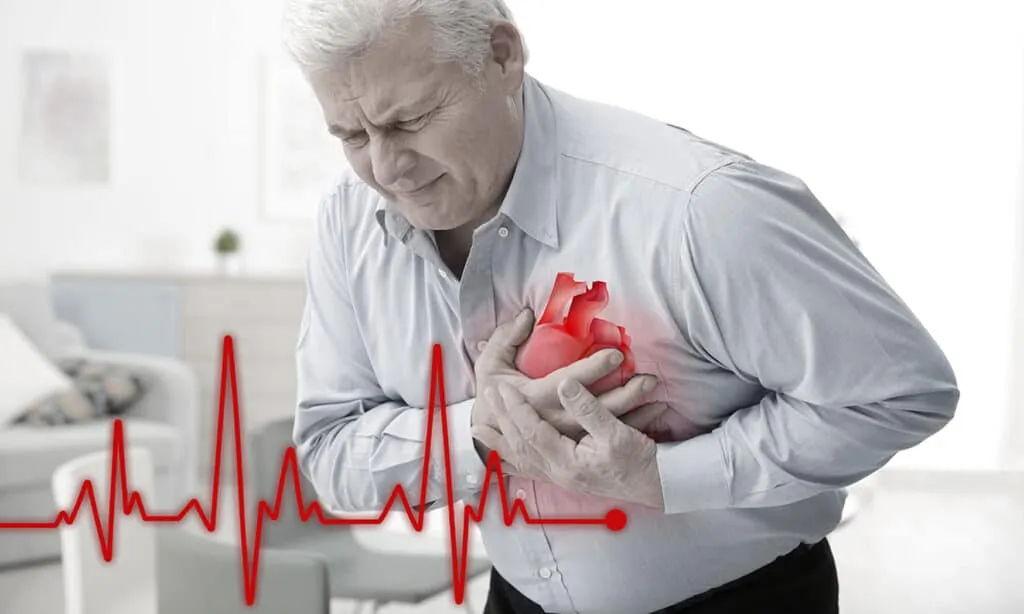
Palpitations are a condition characterized by the awareness of one’s heartbeat. This sensation varies in intensity and feels like fluttering, pounding, or an irregular heartbeat. While palpitations are not usually a cause for alarm, identifying the potential causes and symptoms is key to determining when professional attention is required.
Causes of Palpitations
Palpitations result from a wide range of factors, many of which are non-cardiac in origin. Lifestyle choices often play a role. Stimulants such as caffeine, nicotine, and alcohol heighten heart activity, leading to palpitations, especially in individuals with underlying sensitivities. Physical activity that exceeds a person’s typical exertion level may also trigger heightened awareness of the heartbeat.
Certain medications and substances can induce palpitations. Over-the-counter decongestants, dietary supplements, and prescription drugs, especially those containing stimulants, occasionally cause noticeable heartbeats. Illicit substances, such as cocaine or amphetamines, are also well-documented contributors to palpitations.
Underlying medical conditions are another factor. Hyperthyroidism is a notable example, as an overactive thyroid gland can influence the heart rate. Low blood sugar levels, dehydration, and anemia are often associated with palpitations. Cardiovascular conditions like arrhythmias or valve disorders tend to result in sensations that require medical evaluation.
Symptoms Associated with Palpitations
Individuals experiencing this condition often report specific physical sensations. Some descriptions include racing heartbeat, skipped beats, or sudden chest fluttering. These sensations may occur at rest or during activity and vary in duration and intensity.
Secondary symptoms sometimes accompany palpitations, signaling potential complications. Dizziness, lightheadedness, or fainting may occur, particularly when palpitations disrupt normal blood flow. Chest discomfort or shortness of breath should also be carefully monitored, as these symptoms may indicate underlying health issues requiring professional assessment. Emotional stress and anxiety are linked to palpitations, as the body’s fight-or-flight response stimulates increased heart activity. Prolonged episodes without an identifiable cause can warrant further investigation by a medical professional.
Treatment Options for Your Condition
The management and treatment of palpitations depend on the underlying cause. For individuals experiencing this condition due to stress or anxiety, lifestyle modifications such as stress management techniques and regular physical activity are recommended. Reducing the intake of stimulants like caffeine and nicotine can also help minimize episodes. For palpitations associated with an underlying cardiac condition, medical intervention may be required, including medication. It is key for patients to consult with a healthcare provider to determine the most appropriate treatment plan tailored to their specific diagnosis.
Help From a Cardiologist
Not all palpitations require immediate intervention, but some scenarios justify contacting a healthcare provider. If sensations are persistent, severe, or accompanied by troubling symptoms like chest pain or shortness of breath, seeking medical advice promptly is advisable. It is also recommended to note the frequency and duration of any symptom patterns before consulting a specialist.
Individuals concerned about their condition should contact a cardiologist. Professional evaluations include diagnostic tests such as electrocardiograms (ECGs) or Holter monitoring to detect irregularities in heart rhythm. Early identification of potential conditions can facilitate effective management and improve overall well-being. Consult a cardiology specialist to address your concerns.