

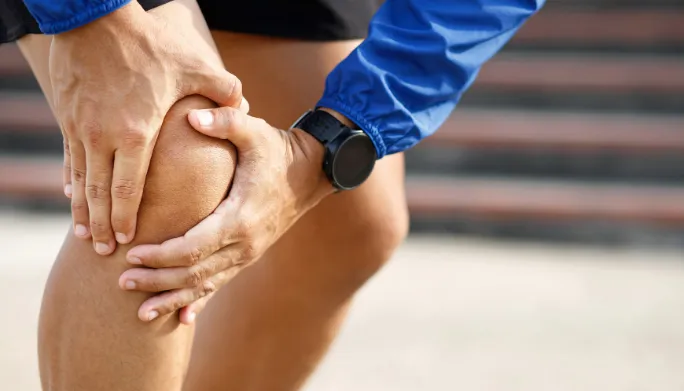
Joint pain commonly affects athletes and can be caused by sports injuries, repetitive use, or medical conditions. This type of pain may interfere with athletic performance, limit movement, and alter training routines. Recognizing the causes and structure of joints provides a foundation for effective management strategies and supports athletic participation and long-term joint function.
What Sports Injuries Cause Joint Pain?
Sprains are sports injuries to ligaments, often occurring in the ankle, knee, or wrist from sudden movements or impacts. Strains involve muscles or tendons near joints and can cause pain and reduced stability during sports activities. Tendinitis is inflammation or irritation of a tendon, often caused by repetitive motion. Athletes in sports such as tennis, golf, swimming, and baseball may develop tendinitis in the shoulders, elbows, or wrists. Symptoms typically include localized pain that increases with activity.
Bursitis is inflammation of the small, fluid-filled sacs (bursae) that cushion joints. Repetitive use or pressure can cause bursitis, often affecting the shoulder, elbow, hip, or knee, resulting in localized pain or stiffness. Dislocations occur when bones in a joint are forced out of their normal positions, causing pain and temporary loss of joint function. Contact sports increase the risk of dislocations. Fractures are breaks in bones that may involve the joint, leading to pain, swelling, and restricted movement. Both dislocations and fractures require prompt medical attention.
What Other Conditions Cause It?
Osteoarthritis is a degenerative joint disease involving the gradual wearing down of cartilage that cushions joint surfaces. Athletes with prior joint injuries or those exposed to long-term, high-impact stress can develop osteoarthritis earlier. This can lead to pain, stiffness, and reduced range of motion. Rheumatoid arthritis is an autoimmune disorder that targets joint linings, causing chronic inflammation, pain, swelling, and possible joint deformity. It can affect individuals of any age and often involves multiple joints on both sides of the body.
How Is Joint Pain Treated?
The RICE protocol for acute joint injuries includes rest, ice, compression, and elevation. Rest supports healing, ice reduces swelling and pain, compression controls swelling, and elevation helps decrease inflammation. Physical therapy involves targeted exercises to restore joint range of motion, build strength in surrounding muscles, and improve joint stability. Rehabilitation programs are adapted to the type and severity of the injury.
Interventional pain management options include joint injections and radiofrequency neurotomy. Injections may contain corticosteroids or other agents and are delivered directly into the affected joint to help manage pain and inflammation when other methods do not provide enough relief. Radiofrequency neurotomy is a minimally invasive procedure in which heat generated by radio waves targets specific nerves to interrupt pain signals from the affected joint. Both options are typically offered when standard treatments are not sufficient for pain control.
Seek Professional Pain Management Services
Athletes experiencing ongoing joint pain may benefit from scheduling an evaluation with a pain management specialist. These healthcare providers perform assessments to determine the cause of joint pain and use diagnostic tools, such as physical examinations and imaging studies, to establish a precise diagnosis. Treatment options can include joint protection strategies, non-opioid medications, or coordination with other specialists to address joint discomfort and help restore function.