

Key Takeaways
- Oral health routines should evolve with age to address changing needs.
- Scheduling regular dental check-ups prevents and detects problems early.
- Consistent and proper brushing plus flossing are essential at all stages of life.
- Smart dietary and lifestyle choices support long-term oral wellness.
Oral health is more than just a bright smile; it plays a fundamental role in your overall well-being. Whether you are caring for a young child, navigating adulthood, or enjoying your golden years, adopting appropriate dental care routines is vital at every stage. Consulting dental professionals such as South Rock Dental can help you develop habits and strategies tailored to your unique needs. Preventing dental problems takes commitment and guidance, but good oral health translates into more than just a pain-free mouth. It can influence self-confidence, affect nutrition, and even impact long-term health outcomes. By understanding how dental care changes over time, you can maintain healthier teeth and gums for life.
Infancy and Early Childhood: Building the Foundation
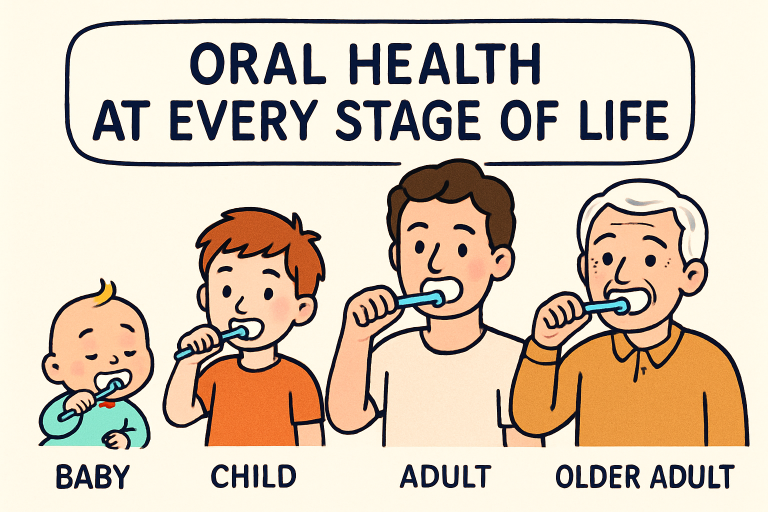
Dental health starts even before your child’s first tooth comes in. After each feeding, gently wipe your baby’s gums with a soft, wet cloth to help remove bacteria. When teeth start to appear, typically around six months, parents should introduce brushing twice a day with a toothbrush sized for infants and a tiny smear of fluoride toothpaste. The American Academy of Pediatric Dentistry recommends a child’s first dental check-up by their first birthday to foster positive dental habits early on and receive age-specific guidance. As children begin to grow, teething periods can cause discomfort and increased drooling. Introducing cool teething rings and maintaining oral hygiene during these times is crucial. Avoid dipping pacifiers in sweet substances, as this can accelerate tooth decay. Establishing a dental routine with simple charts or sticker rewards can also encourage toddlers to brush willingly, setting a positive tone for future oral care.
Childhood and Adolescence: Reinforcing Good Habits
Teaching proper oral hygiene to growing children is essential for lifelong dental health. Encourage kids to brush twice daily, using a fluoride-enriched toothpaste, and introduce flossing as soon as two teeth touch. Reducing sugary snacks and drinks limits cavity risk and supports healthier teeth. Routine dental check-ups every six months monitor the development of your child’s teeth and gums. At the same time, orthodontic assessments around age seven can identify the need for braces or other corrective treatments. During adolescence, self-esteem often becomes tied to appearance, making oral hygiene practices particularly relevant. Young people involved in sports should consider wearing mouthguards to protect their teeth from injury. Teaching teenagers about the dangers of oral piercings, tobacco products, and excessive consumption of soft drinks can prevent serious dental issues before they start. Establishing open communication about dental visits and concerns helps ensure their oral health remains a priority despite busy schedules.
Adulthood: Maintaining Oral Health Amidst Life Changes
As responsibilities grow, adults must not neglect their teeth and gums. Daily care, such as brushing twice a day with fluoride toothpaste, flossing, and regular dental visits, is foundational. Lifestyle choices matter, and adults should avoid tobacco and moderate their alcohol intake to lower the risk of oral cancer and gum disease. High stress can also lead to teeth grinding, which can threaten oral health, so stress management is crucial. For pregnant women, maintaining dental hygiene is especially vital. Hormonal changes increase the risk of gum problems during pregnancy, which may be linked to complications for both mother and baby. Busy work and family schedules can make it difficult for adults to prioritize oral care, but integrating short routine checks, such as flossing while watching TV or keeping a travel toothbrush handy, can help maintain consistency. Consider using an electric toothbrush for a deeper clean, or choosing dental products targeted to specific issues, such as sensitivity or whitening, based on your dentist’s recommendations. If you experience persistent tooth or gum pain, don’t ignore these symptoms; prompt care can prevent future complications.
Older Adults: Addressing Age-Related Oral Health Concerns
As we age, oral care can become more challenging. Issues such as dry mouth, receding gums, and heightened risk of tooth decay or loss are common. Older adults can help prevent some of these challenges by staying hydrated, continuing to use fluoride toothpaste, and choosing products designed for sensitive teeth. Regular dental appointments are crucial for early detection of conditions like oral cancer. Those with dentures must follow meticulous care routines to keep their prosthetics clean and infection-free. Medications, reduced mobility, and other health concerns may complicate oral hygiene in later years. Adaptive devices, such as toothbrushes with larger handles or floss holders, can make cleaning easier for seniors. Caregivers should receive instruction from dental professionals on effective ways to assist elderly loved ones with their daily dental routines. Maintaining social engagement, such as community dental workshops or group oral health seminars, helps older adults stay motivated to prioritize this essential aspect of their well-being.
Special Considerations: Chronic Conditions and Medications
Oral health is closely linked with chronic conditions such as diabetes and heart disease. These health issues can lead to greater dental complications, making vigilant oral care even more important. Furthermore, some prescription medications cause dry mouth, which can increase cavity risk. Discussing medical conditions and medications with both your healthcare provider and your dentist gives you the best opportunity to customize your care and minimize potential issues. People managing chronic illnesses should monitor their oral health for changes, such as increased gum bleeding or sores, and should not delay dental appointments if new symptoms appear. Personalized oral health plans, adjusted for specific medications or health considerations, can make a meaningful difference in quality of life. In some cases, coordinating care between your physician and dental provider ensures that all aspects of your health are properly aligned and managed.
Community and Professional Support: Utilizing Available Resources
Maximizing oral health sometimes means utilizing community programs. Public health clinics often offer services such as fluoride applications and dental sealants, especially for children in underserved communities. School-based programs and educational campaigns also play a significant role in teaching children proper dental hygiene. Regular visits to the dentist are key, and partnering with professionals ensures your individual needs are met. Dental professionals provide individualized guidance to help you adapt routines for your life stage, and community workshops can offer hands-on learning for both children and adults. Whether you need nutritional advice, oral hygiene demonstrations, or support with managing dental anxiety, resources are available to help empower you and your family. Don’t hesitate to ask about programs in your area during your next dental visit.
Conclusion
Adopting appropriate dental care strategies at every life stage is essential for lifelong oral health. Good habits begin in infancy and evolve as we age, aided by professional advice and regular dental check-ups. Whether you are brushing a toddler’s gums or managing dental health through adulthood and beyond, a commitment to prevention, proper hygiene, and a healthy lifestyle helps ensure both a confident smile and better overall health. Remember, your oral health is a lifelong journey that connects to physical health, social well-being, and self-esteem. By embracing the right care steps for your age and seeking support when you need it, you set yourself and your loved ones up for a lifetime of healthy smiles and a better quality of life.