

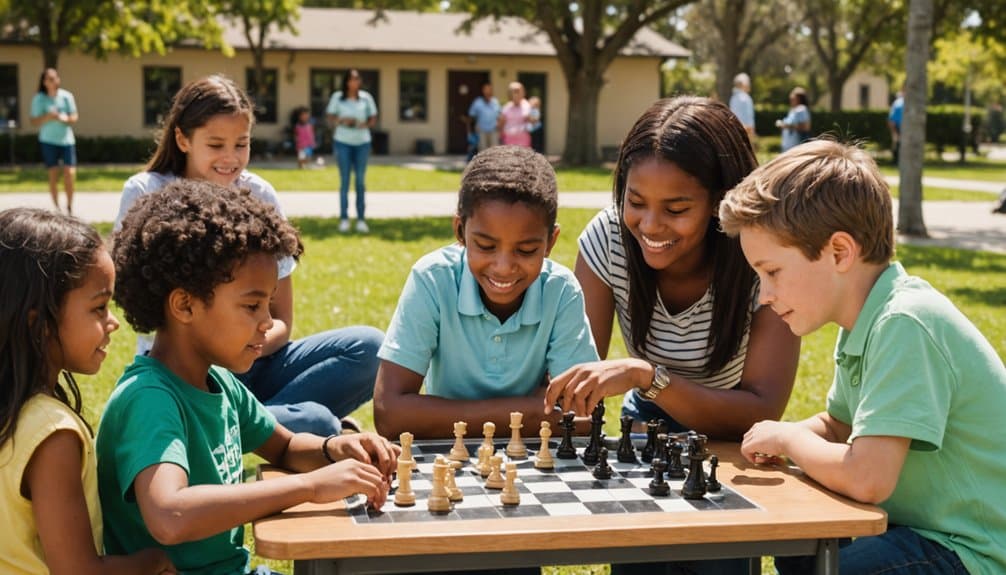
Peer relationships play a significant role in the social and emotional development of young individuals, particularly for those navigating developmental differences. For ADHD in children, positive peer interactions can support emotional regulation, communication skills, and a sense of belonging that extends beyond academic settings. Here’s more information on the benefits of healthy peer relationships for children with ADHD:
Building Social Skills
Children with ADHD often struggle with social nuances, such as knowing when to speak or how to interpret body language. Interacting with peers provides a natural environment for practicing these specific skills in real time. A child learns that interrupting a friend may end a game, so they practice waiting for their turn. This immediate consequence helps reinforce social rules more than abstract instruction from an adult.
Regular playdates or group activities offer consistent opportunities to refine these abilities. Social settings force a child to observe others and adjust their behavior to maintain the interaction. For instance, a child must listen to the rules of a new game to participate. This requirement promotes active listening and focus, both of which are areas of difficulty for ADHD in children.
Regulating Emotions
Strong friendships provide a safe space for children to navigate their emotions and build self-worth. Here are several ways peer connections influence emotional growth:
- Emotional Feedback: Friends often provide honest reactions to impulsive behaviors, which helps a child understand how their actions affect the feelings of others.
- Resilience: Navigating minor conflicts with friends teaches a child how to resolve disagreements and move forward without becoming overwhelmed.
- Sense of Belonging: Being accepted by a peer group acts as a buffer against stress and helps a child feel valued despite their challenges.
- Confidence: Successfully maintaining a friendship demonstrates to the child that they are capable of social connection, thereby boosting their overall self-esteem.
These emotional benefits contribute to a stable and confident mindset for ADHD in children.
Encouraging Positive Behavior
Children often look to their peers to understand what behavior is expected in different situations. When a child with ADHD observes a friend following instructions or staying seated, they have a visual model to imitate. This process is known as peer modeling, and it is a fundamental tool for behavioral learning. For instance, seeing a peer organize their school supplies may prompt a child with ADHD to do the same.
This helps them internalize structure without needing constant direction from an adult. Teachers and parents can contemplate placing children in groups in which positive behaviors are frequently demonstrated. This leverages the natural influence of peer pressure for constructive outcomes.
Supporting Everyday Success
The benefits of friendship extend beyond the playground into the classroom and home environments. Peer relationships support daily functioning and school performance in the following ways:
- Academic Motivation: Studying with a friend often makes tedious tasks feel more manageable and less isolating for a child with attention difficulties.
- Body Doubling: Having another person present while working can help a child with ADHD stay focused on the task at hand.
- Organizational Reminders: Peers can serve as informal reminders of due dates or transitions between activities, reducing the child’s cognitive load.
- Teamwork Skills: Collaborating on school projects teaches delegation and cooperation, which are key in future academic and professional environments.
Integrating social connections into academic routines provides a practical layer of support for ADHD in children.
Learn More About ADHD in Children
Peer relationships play a fundamental role in the holistic development of children with ADHD. These connections offer unique opportunities to build social skills, regulate emotions, and improve daily functioning through observation and practice. While medical and therapeutic interventions are key, social support helps a child thrive in various aspects of life. If you suspect your child needs more support, contact a qualified neurologist near you to schedule your consultation and learn more about ADHD in children.