

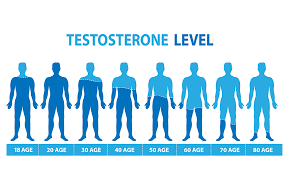
Hormonal health is one factor in emotional stability, and testosterone and mental well-being may be connected. Testosterone is a primary androgen that influences physical traits and cognitive functions. A decline in these levels can lead to depressed mood, fatigue, and low energy. Here is more information about how testosterone replacement therapy can help with low testosterone levels and its effects:
Defining Low Testosterone
Hormones act as chemical messengers within the body; testosterone is an androgen that regulates male characteristics. Because it helps maintain bone density and muscle mass, healthy levels are helpful for physical wellness. Low levels occur when the body fails to produce enough hormone naturally.
Testosterone replacement therapy can address these deficiencies and restore balance to the endocrine system. Low testosterone affects men as they age or face certain health conditions. Symptoms vary between individuals, but they usually result in certain physical and mental changes. These signs indicate a potential imbalance in the body:
- Persistent feelings of fatigue
- Reduced muscle mass and strength
- Lowered sex drive
- Increased body fat
- Irritability or lack of focus
- Low energy levels
- Memory issues
- Decreased body hair
Since testosterone affects many organ systems, ignoring these signs can lead to long-term health issues. This condition is a serious medical concern that requires professional diagnosis with a blood test.
Identifying Mood Disorders
Mood disorders are mental health conditions that affect an individual’s emotional state. While everyone experiences occasional sadness, people with these disorders face intense emotions for extended periods. Depression is one common example of these types of conditions. If testosterone levels drop significantly, the brain may struggle to regulate emotional responses, and the patient could experience depressed mood and other symptoms.
Treating Low Testosterone
Hormone replacement therapy is a medical treatment, and it replenishes deficient levels of hormones in the body. Candidates for this treatment typically include men who have confirmed low testosterone levels through laboratory testing. Medical providers offer several methods for administration:
- Intramuscular injections
- Subcutaneous pellets
- Topical gels or creams
- Transdermal patches
While some patients see improvements within weeks, others may require three to six months of consistent care. Results usually last as long as the treatment continues. When the body receives the necessary hormones, energy levels usually rise, and emotional stability improves.
Patients may stay on this therapy long-term to maintain their results if they experience no adverse side effects. It typically takes a few weeks to a month to determine and see the benefits of the testosterone therapy on the patient’s symptoms. The body does not resume natural production on its own, so stopping the treatment can cause symptoms to return. To see that the testosterone levels remain correct, regular monitoring may be necessary.
Find Testosterone Replacement Therapy
Testosterone is one component of the endocrine system; low testosterone occurs when the body cannot produce sufficient amounts of this hormone. Stabilizing these levels can alleviate the symptoms of depressed mood, fatigue, and low energy. Maintaining hormonal balance can be achieved with continuous testosterone replacement therapy. To learn more about testosterone replacement, consult a provider near you.