

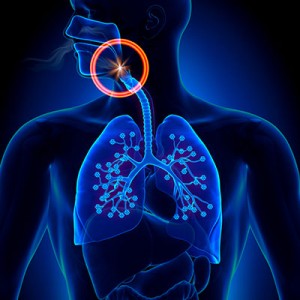
Sleep apnea is a sleep disorder where breathing repeatedly stops and starts; these pauses in breathing are called apneas. If you have this condition, you might snore loudly or feel tired after a full night’s sleep. Understanding the different forms of this condition is the first step toward addressing the issue. Here is more information about the different types of this condition:
Obstructive Sleep Apnea
Obstructive sleep apnea (OSA) is a widespread type. It happens when your throat muscles relax too much during sleep, which blocks your airway. This blockage makes it difficult for you to breathe. Your brain senses this breathing problem and briefly wakes you up so you can reopen your airway, and these awakenings are typically so short that you do not remember them.
Loud snoring is a typical sign of OSA, and your partner might notice pauses in your breathing. While anyone may develop OSA, certain factors increase the risk. These include excess weight, a narrowed airway, or a family history of the condition. Consistent interruptions to sleep affect its quality, leading to daytime fatigue.
Central Sleep Apnea
Central sleep apnea (CSA) is another form of this disorder. With CSA, your airway is not blocked, but your brain fails to send the proper signals to the muscles that control breathing. This means you make no effort to breathe for short periods, and this condition is different from the obstructive form because the cause is neurological.
Several health conditions are linked to this condition. In some cases, individuals with congestive heart failure or who have had a stroke may develop CSA. Treatment for this type of apnea focuses on managing the underlying medical issue that is causing it. A sleep study will help a dentist determine if your breathing pauses are from CSA.
Diagnosing CSA involves a thorough evaluation, and a dentist will typically review your medical history. You may undergo a sleep study, which monitors your brain waves, heart rate, and breathing patterns while you sleep. The results provide clear data about your sleep, so a specific diagnosis may be made. This information helps create a tailored approach to managing the condition.
Complex Sleep Apnea
This type of condition is a combination of both obstructive and central forms. A person with this condition typically starts with an obstructive form, but they develop central apnea symptoms when being treated with a continuous positive airway pressure (CPAP) device. The reasons for this are not fully understood.
This condition presents unique challenges, so diagnosis requires careful observation. People with this condition show specific patterns during a sleep study that distinguish it from OSA or CSA alone. A few signs include:
- Persistent breathing pauses despite CPAP use.
- Obstructed and central apnea events.
- Continual tiredness during the day.
Get Treated for Sleep Apnea
Getting a proper diagnosis is the first step toward managing this condition. A sleep specialist can determine which type of condition you have, and they will recommend an appropriate course of action. Different treatments exist for each type of apnea. Following a recommended treatment plan may improve your sleep quality and overall well-being. If you are experiencing symptoms of this condition, speak with a dentist to discuss your concerns and find a solution.