

Dermatology plays a central role in treating acne and scarring by addressing active breakouts and the long-term skin changes they leave behind. Acne can be influenced by hormones, inflammation, bacteria, and genetics. This makes effective care dependent on an accurate diagnosis and a treatment plan customized to skin type, severity, and lifestyle factors. Here’s more information on the role of dermatology in treating acne and scarring:
Identifying Root Causes
A dermatology consultation begins with a thorough evaluation to determine the specific causes of acne. Acne is not a one-size-fits-all condition, and its triggers vary significantly from person to person. A dermatologist examines factors such as hormonal fluctuations, bacterial levels, and oil production to identify the underlying issue.
They also review your medical history and current skincare regimen to identify potential contributing factors. This diagnostic phase is key because it prevents the trial-and-error approach often associated with store-bought remedies. Identifying the specific type of acne helps a dermatology doctor prescribe targeted medications or therapies that address the core problem.
Treating Active Acne
Treating active acne effectively is a helpful way to prevent future scarring. When acne lesions are deep or inflamed, they damage the skin tissue, resulting in permanent textural changes. Dermatology doctors use a combination of topical and oral medications to control inflammation and reduce the frequency of breakouts.
Common treatments include prescription-strength retinoids, antibiotics, and hormonal therapies. In-office procedures like chemical peels are necessary to clear stubborn blockages in some cases. These interventions help calm the skin and minimize the tissue damage that leads to scarring.
Improving Acne Scarring
Once active acne is controlled, the focus often shifts to skin repair and scar reduction. Dermatology offers various advanced procedures designed to smooth uneven texture and restore skin tone. Here are some of them:
- Laser Resurfacing: This technique uses focused light to remove damaged skin layers and stimulate collagen production.
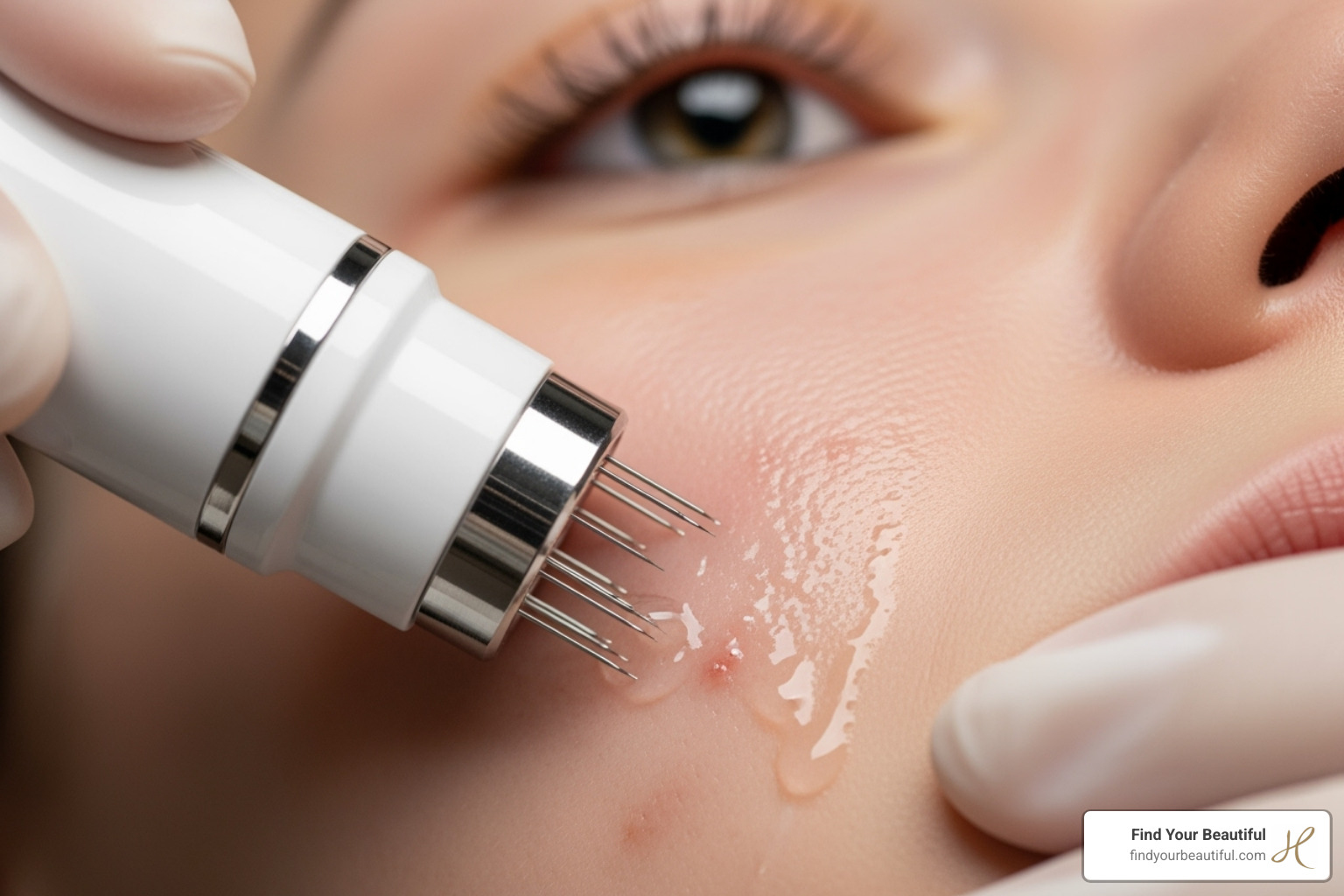
- Microneedling: A device with fine needles creates micro-injuries in the skin, triggering the body’s natural healing process and collagen synthesis to improve texture.
- Chemical Peels: Chemical solutions are applied to exfoliate the top layers of skin, reducing the visibility of superficial scars and pigmentation.
- Dermal Fillers: For deep, depressed scars, fillers are injected to lift the indented area and create a more even surface.
A dermatology doctor will contemplate your skin type and recovery time when recommending a plan.
Protecting Results
Maintaining clear skin requires a consistent approach after professional treatments are complete. A dermatologist provides a maintenance plan to make sure results last and to prevent new breakouts from forming. Here are some tips that may be included in the maintenance plan:
- Consistent Skincare Routine: Using non-comedogenic cleansers and moisturizers helps keep pores clear without irritating the skin.
- Sun Protection: Daily application of broad-spectrum sunscreen protects healing skin from UV damage and prevents dark spots from worsening.
- Follow-up Appointments: Regular check-ins enable the dermatologist to adjust medications as needed and detect early signs of recurrent acne.
- Lifestyle Adjustments: Diet and stress management are often discussed as part of a holistic approach to skin health.
Adhering to these guidelines helps prolong the benefits of medical and cosmetic treatments and establishes healthy habits that support overall skin wellness.
Schedule Your Dermatology Appointment Today
Dermatology plays a fundamental role in managing acne and reducing scarring through targeted medical and cosmetic interventions. Addressing the root causes of breakouts and using advanced scar treatments can help patients achieve clearer and healthier skin. For persistent acne or scarring, contact a qualified dermatology doctor near you to schedule your appointment today.