

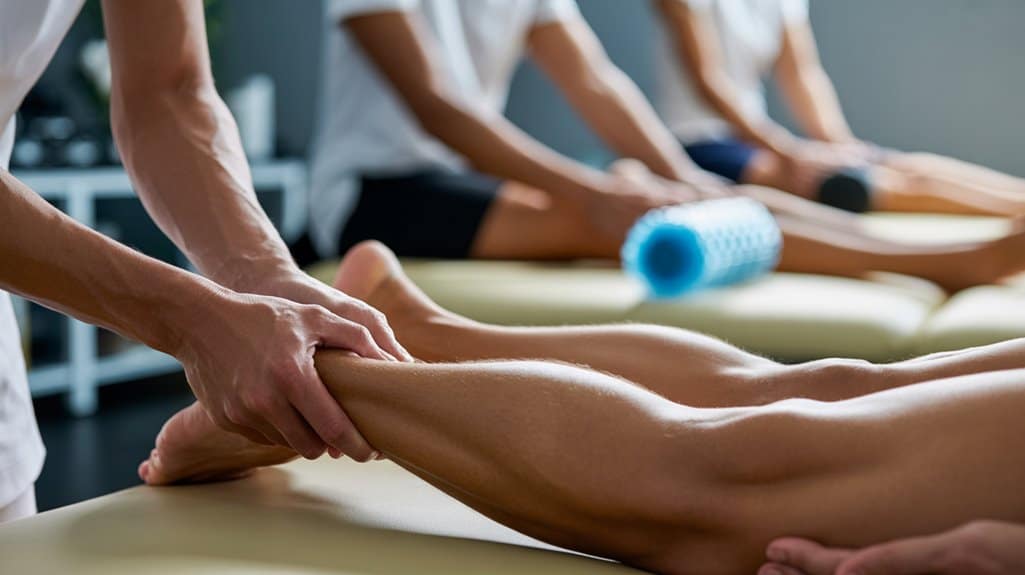
Physical trauma affects daily life, and a well-structured approach helps recovery progress safely. Sports medicine offers treatment specific to injuries sustained during physical activities. To create a targeted recovery plan, the provider identifies the root problem and helps patients regain mobility. Here is more information about the role of sports medicine after an injury, and how it can restore your abilities:
Diagnosing Injury Type
The doctor typically examines the affected area to begin the process. Imaging reveals the extent of damage, and this allows the team to understand the severity of an injury quickly. Since soft tissue tears don’t always show through basic tests, specialized scans identify damaged ligaments. Having accurate data helps to provide adequate medical care.
Developing Treatment Plan
A structured plan provides direction for recovery while setting regular milestones each week. While timelines can differ by injury, a clear schedule keeps rehabilitation steady and measurable. Providers assign daily regimens that patients follow, and this structure minimizes uncertainty as healing progresses using:
- Daily stretching routines
- Targeted strength exercises
- Gradual loading increases
Goal-setting within the treatment plan helps patients stay motivated and track their progress effectively. With regular communication, healthcare providers can make adjustments based on the patient’s recovery and changing needs. Establishing a consistent routine promotes physical recovery, and it also enhances the patient’s ability to regain strength and mobility.
Providing Physical Therapy
You can start active movement as swelling decreases and stability returns, and therapists typically watch closely to keep exercise form correct. As patients repeat small motions, their bodies relearn to function without sharp pain. Early movement can help prevent stiffness after an injury.
After having trauma during physical activities, muscles lose strength and tone very quickly. Because the limb might have been unused, strength training works to restore muscle fibers and stability. A therapist applies gentle resistance, and you push against it to regain both strength and endurance. Sports medicine techniques support the affected joint during recovery.
Flexibility improves as tissues stretch, and daily motion may also increase. Stiffness typically starts to fade with persistence. While discomfort may arise, the range of motion expands during therapy sessions. The joint grows steadily more flexible.
Restoring Function
Training for agility and control brings the body closer to full recovery. Drills simulate real situations, and they require coordination and focus. With each session, you rebuild specific motor skills. Over the course of your recovery plan, movement patterns may gradually return.
The body reacts to new challenges. As physical demands rise, the medical team monitors for problems or regression. Recovery moves at a steady pace, and patience reduces the risk of setbacks. Medical clearance signals the end of this phase. Consistency in practice and mindful attention to technique are key factors in achieving long-term success during this phase.
Find Sports Medicine Services
Success requires knowledgeable support throughout your recovery. Taking these proactive steps in your rehabilitation today can build the foundation for a stronger, healthier, and more resilient recovery. If you need guidance from professionals who understand injury rehabilitation, reach out now. Take prompt action to address an injury before it becomes complex, and book a sports medicine appointment today.
- Physical Therapy Techniques for Strengthening Muscles
- How a Holistic Mental Health Clinic in Orem Addresses Whole-Person Wellness
- The Benefits of a Podiatrist in Sports Performance
- Understanding Common Skin Conditions Treated in Dermatology
- How Evidence-Based Therapy Techniques Are Changing Mental Health Care