

Protecting your skin from the sun is a daily practice. Exposure to the sun’s ultraviolet, or UV, rays can lead to changes in your skin’s texture and appearance over time. Understanding how to safeguard your skin can support its long-term health. Taking simple, preventive steps may significantly reduce your risk of developing skin cancer.
How Sun Exposure Affects Skin?
Sunlight contains UV radiation, and prolonged exposure can damage skin cells. This damage can accumulate over years, beginning from childhood. The sun emits two types of UV rays that reach the earth: UVA and UVB. UVA rays penetrate the skin deeply, while UVB rays primarily affect the skin’s surface and are the main cause of sunburn.
The body has natural defenses against UV light, such as producing melanin, which is the pigment that darkens the skin. A tan is the skin’s response to injury from UV radiation. Over time, this repeated exposure can alter the DNA in skin cells, which may lead to issues, including the development of skin cancer.
Which Protection Methods Work?
Implementing a combination of protective measures offers the most effective defense against UV radiation. No single method provides complete protection, so a layered approach is beneficial. You might integrate these practices into your daily routine for consistent coverage.
Here are some practical methods for skin protection:
- Use Sunscreen: Apply a broad-spectrum sunscreen with an SPF of 30 or higher to all exposed skin. Reapply it every two hours, or more often if you are swimming or sweating. Sunscreen works by filtering or blocking the sun’s UV rays.
- Wear Protective Clothing: Long-sleeved shirts, pants, and wide-brimmed hats provide a physical barrier against the sun. Look for clothing with an ultraviolet protection factor, or UPF, rating for added defense.
- Seek Shade: Limit your direct sun exposure, especially between 10 a.m. and 4 p.m. when UV rays are strongest. Find shade under a tree, an umbrella, or another form of shelter.
These habits can work together to help shield your skin from the sun’s effects. Consistency is key to reducing your cumulative exposure to UV radiation throughout your life.
Why Does Prevention Matter?
Taking proactive steps to protect your skin is a practical way to manage your health. Lowering your lifetime exposure to UV radiation directly impacts your risk of developing skin cancer. Prevention is a powerful tool available to everyone.
Practicing sun safety contributes to:
- Reduced risk of sunburn
- Lower cumulative UV damage
- Healthier skin over a lifetime
By adopting these habits, you are making a positive choice for your future well-being. Small, consistent actions can have a lasting, beneficial effect on your skin’s health.
Consult a Skin Cancer Specialist
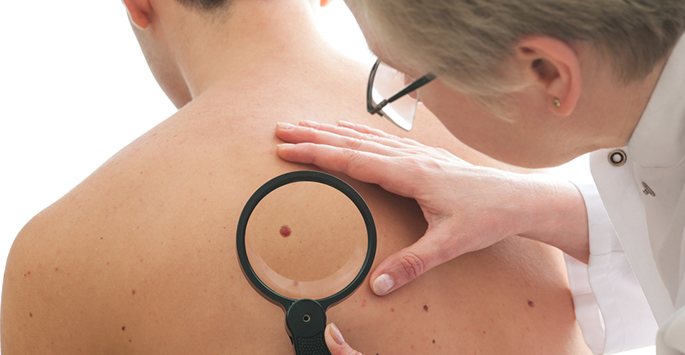
Regularly checking your own skin for any new or changing spots helps with early detection. If you notice any changes, such as a mole that grows or changes in appearance, it is a good idea to seek professional advice. A dermatologist can perform a thorough skin examination and provide guidance based on your specific skin type and history. Making an appointment for a professional evaluation can offer peace of mind and clear next steps.