

Dermatology focuses on diagnosing and treating conditions that affect the skin, hair, and nails. Symptoms such as persistent rashes, itching, or unusual growths may require professional evaluation to confirm the cause and guide effective treatment. Here is an overview of common skin conditions treated in dermatology:
Inflammatory Skin Conditions
Inflammatory skin conditions often cycle, with periods of active symptoms followed by periods when the skin appears normal. These conditions result from immune system responses or external triggers that cause redness, itching, and discomfort. Eczema is an inflammatory condition; it causes dry, itchy patches that can appear anywhere on the body. The condition often begins in childhood, but it can also persist into adulthood. Treatment focuses on managing symptoms with moisturizers, topical medications, and identifying triggers that worsen flare-ups.
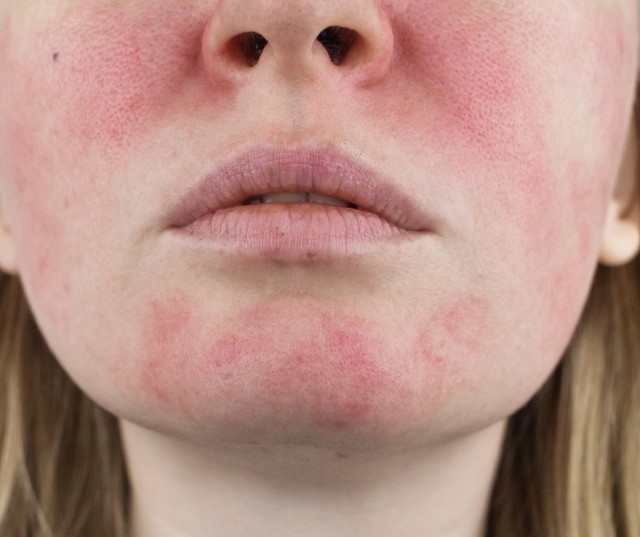
Rosacea affects the face, causing redness, visible blood vessels, and sometimes small bumps that resemble acne. A dermatology specialist may recommend topical treatments, oral medications, or laser therapy to reduce redness and control symptoms. Psoriasis creates thick, scaly patches that form when skin cells multiply too quickly. These patches commonly appear on the elbows, knees, and scalp. The condition varies in severity, and treatment options include topical creams, light therapy, and systemic medications for severe cases.
Contagious Skin Infections
Several skin infections require dermatology care to prevent spread and recurrence. Here are some of them:
- Warts: Viral growths caused by human papillomavirus (HPV) that appear on hands, feet, or other body areas. Treatment includes freezing, topical medications, or removal procedures.
- Fungal infections: Conditions like ringworm, athlete’s foot, and nail fungus are caused by fungi that thrive in warm, moist environments. Treatment involves antifungal medications applied topically or taken orally.
- Bacterial infections: Conditions such as impetigo or cellulitis develop when bacteria enter the skin through cuts or breaks. These infections require prompt antibiotic treatment to prevent complications.
These conditions often need professional treatment to clear completely and may return without proper care.
Common Acne and Pigmentation Concerns
Dermatology specialists treat several conditions affecting skin appearance and hair health. Here are some of them:
- Acne: A condition caused by blocked pores, excess oil production, and bacteria that leads to pimples, blackheads, and cysts. Treatment ranges from topical medications to oral antibiotics or specialized therapies for severe cases.
- Melasma: Brown or gray-brown patches that appear on the face, often triggered by hormonal changes or sun exposure. Treatment involves topical medications and strict sun protection.
- Hair loss: Conditions like alopecia or pattern baldness that cause thinning or bald patches. Treatment depends on the underlying cause and may include topical medications, injections, or other therapies.
- Scalp conditions: Problems such as dandruff, seborrheic dermatitis, or scalp psoriasis that cause itching, flaking, or inflammation. Treatment typically involves medicated shampoos or topical treatments.
A dermatology specialist can determine the best approach for each condition based on its severity and underlying causes.
Fundamental Skin Checks
Dermatologists examine skin growths to distinguish between benign conditions and concerning changes that require intervention. Moles are common growths that typically appear during childhood and early adulthood. Most moles are harmless, but changes in size, shape, color, or texture may require an evaluation.
A dermatology specialist can remove suspicious moles and send tissue samples for laboratory analysis. Skin tags are small, soft growths that hang from the skin on a thin stalk. They develop in areas where skin rubs against skin or clothing. While harmless, people often remove them for cosmetic reasons or if they cause irritation.
Schedule Your Dermatology Appointment Today
A dermatology specialist evaluates and treats various skin conditions. Persistent rashes, changing moles, or concerns about skin cancer are best addressed through a professional evaluation, which provides an accurate diagnosis and effective treatment options. Contact a qualified dermatology specialist near you to schedule your appointment today.