

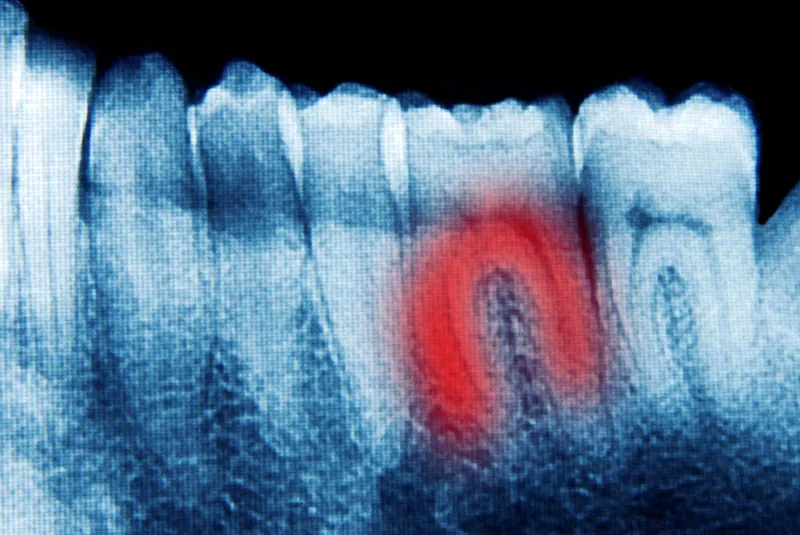
An endodontist may recommend an oral surgery procedure to address issues at the root tip of a tooth. This procedure, known as an apicoectomy, is a specific type of endodontic surgery. Understanding what to expect during the procedure and what the recovery period typically looks like can help you feel more prepared.
What Is an Apicoectomy?
An apicoectomy is a minor surgical procedure that removes the tip of a tooth’s root, called the apex. An endodontist, a specialist in saving teeth, usually performs this procedure. The main purpose of an apicoectomy is to remove inflamed or infected tissue from the end of the root when a standard root canal treatment is not sufficient or has not resolved the issue.
After removing the root tip, the endodontist cleans and seals the end of the root canal. This helps prevent further problems by creating a barrier. The procedure is also referred to as root-end surgery. It is typically recommended when an infection persists or develops after a previous root canal treatment.
How Is The Procedure Performed?
The apicoectomy procedure involves several precise steps performed by a specialist. Before starting, the endodontist numbs the area around the tooth with local anesthesia for comfort. They then carefully access the root tip through the gum tissue.
- The surgeon makes a small incision in the gum tissue near the tooth.
- They move the tissue aside to expose the underlying bone.
- They create a small opening in the bone to access the root tip.
- The surgeon removes the infected tissue and the end of the root tip.
- They clean the end of the root canal and seal it with a small filling.
- Finally, they reposition the gum tissue and suture it.
After sealing the root and cleaning the area, the endodontist stitches the gum tissue into place, allowing it to heal properly. The entire apicoectomy typically takes 30 to 90 minutes, depending on the tooth’s location and the complexity of the root structure.
What Does Recovery Involve?
After the procedure, your mouth will need some time to heal. Your endodontist will give you specific post-operative instructions to guide you through this period. Following these directions carefully will help you recover smoothly and support the healing process.
Here are some common steps you can expect during your recovery:
- Manage Discomfort: Your endodontist may recommend over-the-counter pain relievers to help manage any soreness after the procedure.
- Reduce Swelling: Applying an ice pack to your cheek for short periods can help minimize swelling and discomfort.
- Eat Soft Foods: Stick to a diet of soft foods like yogurt, soup, and mashed potatoes for a few days to avoid putting pressure on the surgical site.
- Rest and Recover: It’s best to avoid strenuous physical activity for the first day or two to allow your body to heal.
- Practice Gentle Oral Hygiene: Be very careful when brushing around the surgical area to keep it clean without disturbing the stitches.
Most people feel ready to return to their normal daily activities within a day or two, but you’ll need to continue being gentle with the surgical site. The stitches will either dissolve on their own or be removed by your endodontist in about a week. Over the next few months, the bone around the root end will continue to heal.
Consult a Specialist
A thorough examination and consultation with a qualified endodontist is the best way to determine if an apicoectomy is the right treatment for you. A specialist can evaluate your dental health, answer your questions, and develop a personalized treatment plan. Reach out to a local endodontic office to schedule an appointment for professional guidance.