

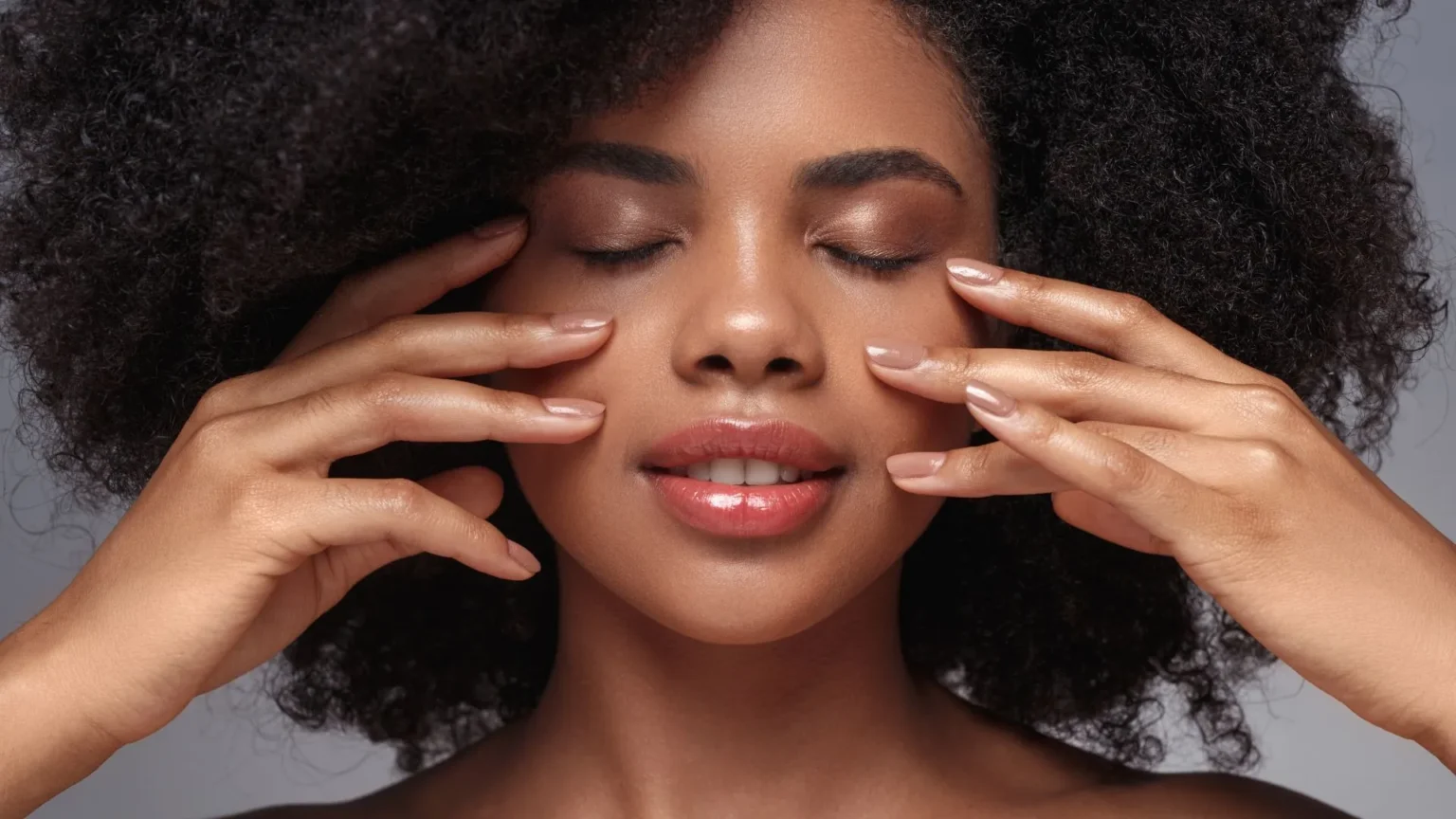
Botox is an effective option for non-surgical facial rejuvenation. It is a neuromodulator that reduces the appearance of fine lines, and it helps patients improve their appearance. Here is more information on this treatment option, how it works, what the process involves, and the benefits:
What Is Botox?
Botox is formulated from a neurotoxin derived from the bacterium Clostridium botulinum, and it is used for multiple cosmetic and therapeutic purposes. Neurotoxins affect the nervous system, but they are safe when administered in small, therapeutic doses by licensed practitioners. The primary function of this substance in aesthetics is to treat dynamic wrinkles. These are lines formed by repetitive muscle movements, most commonly observed on the forehead and around the eyes.
How Does It Work?
The physiological mechanism involves the interruption of nerve signaling. Nerves release a chemical messenger to trigger muscle contraction, but the neurotoxin blocks the release of this neurotransmitter. Without this action, the affected muscle cannot contract and remains in a relaxed state.
This temporary paralysis prevents the skin from creasing during facial expressions. The muscle stays relaxed for several months, gradually smooths out the overlying skin. The treatment does not physically fill the wrinkle; it addresses the underlying physiological cause of the line.
What Does the Process Involve?
The process begins with a comprehensive medical evaluation. The provider examines the patient’s facial anatomy and muscle strength, and they review any relevant medical history. This assessment determines the appropriate dosage and injection sites for the individual. Preparation for the procedure is minimal, with the practitioner cleaning the skin to maintain a sterile environment before administration.
The injection phase is typically brief. The provider uses a very fine needle to deliver the solution into the target muscles, and patients may report only mild discomfort similar to a pinprick. After the procedure, patients are given guidelines to follow to facilitate a smooth recovery.
Remain upright for 3 to 4 hours, and avoid rubbing or massaging the treated areas. These precautions prevent the toxin from migrating to unintended muscle groups. Individuals can return to work or normal daily activities right away, although strenuous exercise should be avoided for twenty-four hours. Minor redness or swelling at the injection points is common but typically resolves quickly.
What Are the Benefits?
One benefit is the visible reduction of facial lines. The treatment effectively softens crow’s feet and frown lines, providing a more rested, youthful appearance. Another benefit is the treatment’s preventive nature. Younger patients may utilize it to inhibit strong muscle contractions, so deep lines are less likely to etch into the skin over time. This proactive approach helps maintain skin texture and delays the formation of permanent wrinkles.
The non-invasive nature of the procedure is an additional advantage. It offers noticeable results without the downtime associated with surgery, and it is a convenient option for those with busy schedules. The effects typically last between three to four months before retreatment is necessary.
Consult a Specialist Today
A qualified specialist understands complex facial anatomy, and they can tailor the treatment to achieve natural-looking results. An initial consultation is necessary for determining candidacy. The practitioner will evaluate specific skin concerns and develop a customized plan to address them. Contact a specialist to schedule an appointment and discuss the available options.