

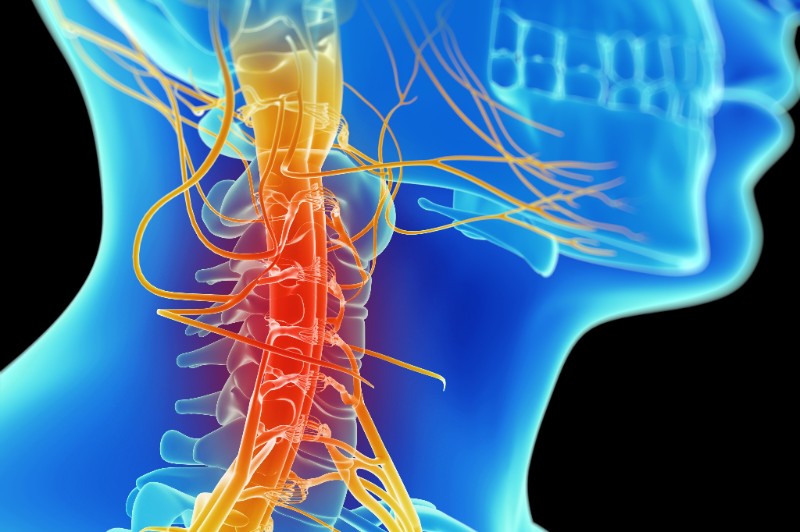
The neck is a complex structure; it connects the head to the rest of the body through a network of bones, muscles, nerves, and discs. Disruptions in any part of this system may result in pain. A wide range of factors contribute to neck discomfort, including daily habits and age-related wear and tear. Here are several causes of neck pain:
Daily Habits
How you position your body for extended periods can place significant strain on the neck. The head is heavy, and the neck muscles work hard to support it. When you maintain good posture, with your ears aligned over your shoulders, this job is manageable. Some people spend hours hunched over computers or looking down at smartphones. This forward-head position is sometimes called “tech neck,” and it forces the muscles at the back of your neck to work overtime. It then leads to fatigue and soreness. This imbalance can cause persistent stiffness and discomfort over time.
The way you sleep also helps or hinders your neck health. If your pillow is too high or too flat, it can bend your neck into an unnatural position for hours. This has the potential to strain muscles and ligaments, leading to a kinked neck when you wake up. The goal is to keep your neck in a neutral alignment with the rest of your spine; this may require a supportive pillow that fits your sleeping style.
Age-Related Wear and Tear
Like other joints in the body, the spinal discs and joints in your neck can change with age. Cervical spondylosis is a general term for this age-related wear and tear. With time, the soft discs that cushion your vertebrae can dehydrate and shrink. This leads to more bone-on-bone contact and the formation of bone spurs, which are bony growths that sometimes crowd the spinal canal. Spondylosis is a regular part of aging and doesn’t always cause symptoms, but for some, it can lead to stiffness and chronic pain.
Herniated Discs
Between each vertebra in your spine is a rubbery cushion known as a disc; these discs have a tough exterior and a soft, gel-like center. A herniated disc occurs when part of the soft center protrudes through a tear in the outer covering. This is sometimes called a “slipped” or “ruptured” disc. If the herniated material presses on a nearby nerve root, it can cause significant neck pain, numbness, or weakness.
Spinal Canal Narrowing
Spinal stenosis is a condition where the open spaces within your spine begin to narrow. This occurrence can put pressure on the spinal cord and the nerves that travel through it. In the neck, this is called cervical spinal stenosis. It is often caused by the gradual wear and tear associated with aging, such as the thickening of ligaments or the growth of bone spurs. When the spinal canal narrows, it can lead to symptoms such as:
- Neck pain
- Balance problems
- Numbness
- Weakness
Find Treatment for Neck Pain
There are various causes of neck pain, including poor posture and underlying spinal conditions, and recognizing them guides you as you work toward relief. Small changes in your routine can improve comfort and mobility. Other treatment options include stretching and strengthening exercises, steroid injections, and spinal cord stimulation. If your discomfort is significant, contact a neck pain specialist for professional guidance and next steps.