

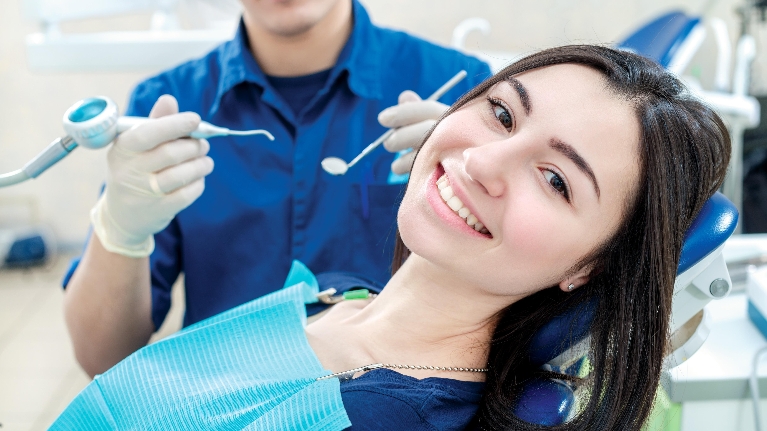
A general dentist plays a key role in preventive oral healthcare, extending beyond routine cleanings and cavity treatment. One of the most significant yet often overlooked services provided during regular visits is oral cancer screening. Through visual examinations, palpation, and early detection techniques, a general dentist can identify abnormal tissue changes before symptoms become advanced.
Understanding your general dentist’s role in oral cancer screenings underscores the importance of consistent dental appointments in safeguarding both oral and overall health.
Schedule Routine Screening Checkups
Your general dentist performs an oral cancer screening at every routine checkup. You may not even notice it’s happening. The screening is part of your standard exam. It does not require extra appointment time. Your dentist will check your soft tissues in your mouth. They look for abnormalities that could be early-stage cancer.
The screening is quick and thorough. Your dentist will check your lips, tongue, and gums. They also inspect the roof and floor of your mouth. Your cheeks and throat are examined, too. They look for red or white patches or sores that won’t heal. They also search for lumps or rough spots.
Identify Risks and Warning Signs
Your dentist will determine your personal risk factors. Tobacco and heavy alcohol use significantly increase your risk. Too much sun exposure can cause lip cancer. Certain HPV strains are also linked to throat cancers. Your dentist will ask about your lifestyle and medical history. This helps them assess your risk level. They may suggest more frequent screenings if needed. Your dentist can create a custom screening plan for you.
Warning signs include mouth sores that don’t heal. Look for lumps or red and white patches. Difficulty chewing or swallowing is another sign. You might also notice unexplained bleeding or numbness. A persistent sore throat is also a symptom. Contact your dentist immediately if you notice these signs. Don’t wait for your next appointment.
Coordinate Diagnostic Follow-Up and Referrals
When your dentist finds a suspicious area during a screening, they will explain their concerns and recommend the next steps. This might involve monitoring the area for changes or performing a brush biopsy to collect cells for analysis. Any findings are documented with photos or detailed notes for future reference and comparison. If the results suggest the possibility of cancer, your dentist will refer you to a specialist for further evaluation.
When cancer is suspected, the referral process happens quickly to prioritize prompt diagnosis and treatment. Your dentist works to schedule specialist appointments as soon as possible. They understand the importance of addressing such concerns without delay. Throughout the process, your primary dental provider remains available to answer any questions and offer support.
Provide Preventive Long-Term Monitoring
Your dentist is also an educational resource for oral cancer prevention. They can discuss lifestyle changes that lower your risk. This includes quitting tobacco and limiting alcohol. They also advise protecting your lips from the sun. Your dentist might recommend the HPV vaccine for eligible patients. Certain HPV strains can cause oral cancer. They will also teach you how to do self-exams at home.
Long-term monitoring is key for high-risk patients. Your dentist keeps detailed records of any abnormalities. They track these changes over time. This ongoing watch helps catch any recurrences quickly. It also provides peace of mind through consistent professional care.
Book a General Dentist Appointment
Your general dentist serves as your first line of defense against oral cancer through regular screenings, risk assessment, and patient education. These services are part of the routine dental checkups you already receive, making early detection accessible and convenient. When you notice any discomfort in your oral region, book an appointment with a dental clinic near you for oral cancer screenings as part of comprehensive dental care to catch potential concerns before they become serious problems.
- Understanding Your General Dentist’s Role in Oral Cancer Screenings
- The Role of Mental Health in Personal Growth and Development
- Physical Therapy Techniques for Strengthening Muscles
- How a Holistic Mental Health Clinic in Orem Addresses Whole-Person Wellness
- The Benefits of a Podiatrist in Sports Performance