

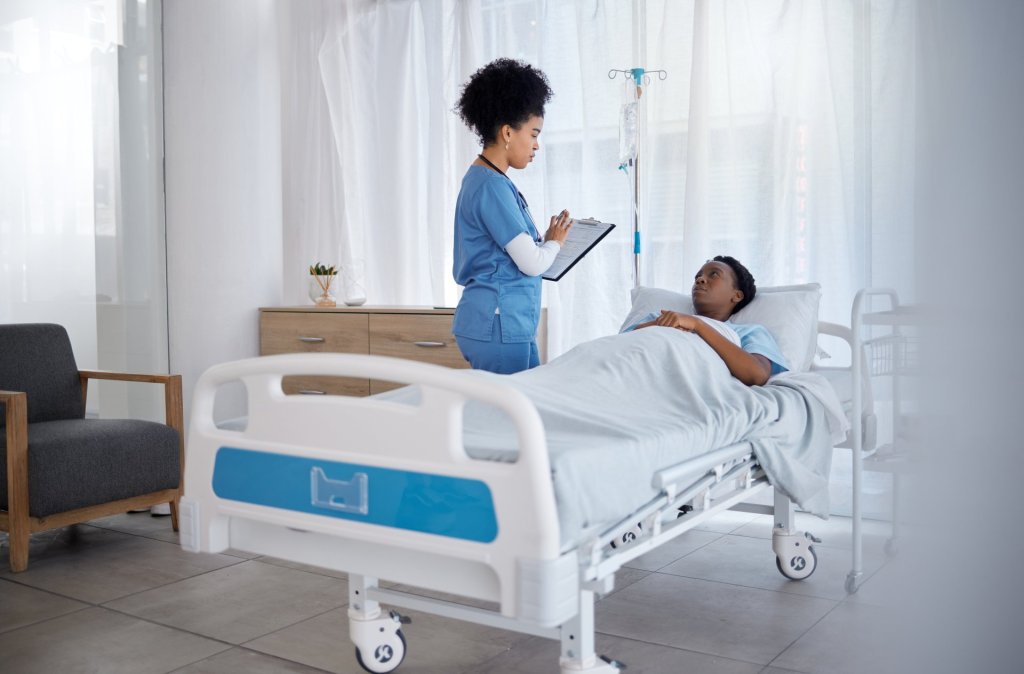
When facing an unexpected medical issue that is not life-threatening, individuals may seek a middle ground between a primary care physician and an emergency room. Urgent care facilities fill this role, offering a convenient option for immediate medical needs. These centers are designed to handle a wide range of non-emergency conditions, focusing on providing timely and effective treatment.
What Is Urgent Care?
Urgent care is a category of walk-in clinics focused on treating injuries that require immediate attention. They should not be utilized for conditions severe enough to warrant an emergency room visit. Patients can receive medical services without an appointment, which is a key distinction from a typical doctor’s office that operates on a scheduled basis. These care centers are equipped to handle a variety of medical problems and often have diagnostic equipment on-site. This includes imaging technology such as X-ray machines. The primary purpose of an urgent care facility is to provide accessible medical services for conditions that are not life-or-limb-threatening.
What Injuries Does It Treat?
Urgent care facilities are prepared to manage a broad spectrum of non-life-threatening injuries. These clinics can treat minor fractures and can provide initial treatment for sprains and strains affecting different joints. On-site diagnostic tools, such as X-rays, allow clinicians to quickly assess bone injuries and determine an appropriate course of action. By treating these types of injuries, these care centers help alleviate the burden on emergency rooms. This allows them to focus on more severe medical emergencies.
What Are the Benefits?
One of the main benefits of using an urgent care facility is the combination of convenience and cost-effectiveness. Wait times are generally shorter than those found in an emergency department. This allows patients to be seen and treated more quickly. The cost of a visit is also typically lower than an emergency room visit for a similar condition, making it a more economical choice for many people.
Another benefit is the quality of care provided. These facilities offer a high standard of medical treatment for acute conditions. They can provide a valuable service by diagnosing and treating illnesses like the flu, strep throat, and sinus infections. This allows patients to receive a diagnosis and a prescription in a single visit. The accessibility of these centers means individuals can address health concerns promptly. This can prevent a condition from worsening.
Seek Care at a Clinic
When a medical need arises suddenly, an urgent care clinic presents a reliable option for treatment. These facilities are staffed by qualified medical professionals who can address a wide array of health issues in a timely manner. For conditions that require prompt attention but do not pose an immediate threat to life, visiting a local care center is a sound decision. They offer a practical alternative that combines the accessibility of a walk-in clinic with the capabilities needed to effectively manage many common injuries and illnesses. This model of care helps patients get the attention they need, when they need it, without the long waits or high costs associated with an emergency room.