

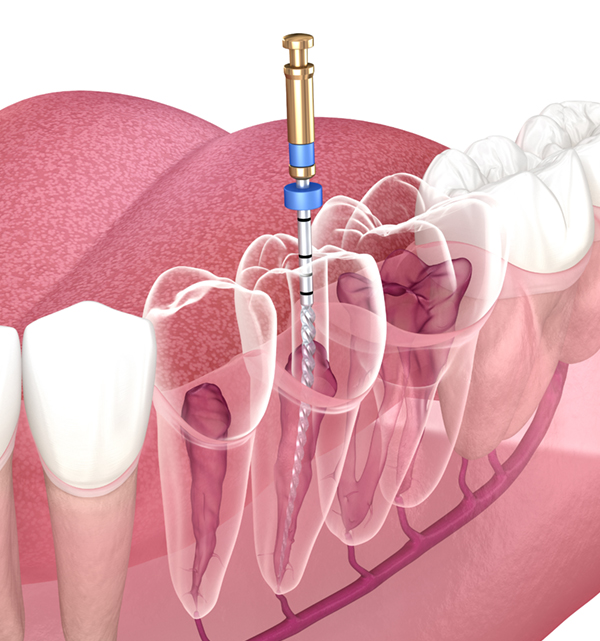
Loose teeth present a significant challenge for many patients who wish to retain their natural dentition. While standard dental implants replace missing teeth entirely, endodontic implants serve a different purpose by stabilizing existing teeth. This procedure extends the effective root length of a tooth, anchoring it more firmly into the jawbone. Understanding this treatment option helps you make informed decisions about your oral health care.
What Are Endodontic Implants?
Endodontic implants, often called endodontic stabilizers, are metallic posts that dental specialists place through the root of a tooth. The post extends beyond the root tip into the surrounding bone tissue. This process increases the root-to-crown ratio, which offers greater stability to a tooth that has become mobile.
The procedure involves several distinct components that work together to secure the tooth:
- The Stabilizer Post: Manufacturers typically craft this from a biocompatible alloy like titanium or chrome-cobalt. The post must be strong enough to withstand chewing forces yet compatible with body tissues.
- The Canal Preparation: A specialist cleans and shapes the root canal to accept the implant. This step mirrors standard root canal therapy but requires precise measurements for the extension into the bone.
- The Apical Seal: The dentist seals the area where the implant exits the root to prevent bacteria from entering the bone. A tight seal protects the surrounding tissue from infection.
Endodontic implants function by mechanically locking a loose tooth to the bone. The bone eventually heals around the extended portion of the post, creating a solid foundation. This integration allows a tooth with a short root or bone loss to function normally again.
What Conditions Need Implants?
Not every loose tooth qualifies for this specific procedure. Dentists recommend endodontic implants primarily when a natural tooth remains healthy enough to save but lacks adequate support. A thorough examination determines if the bone structure can accommodate the stabilizer.
The following conditions often prompt a recommendation for this treatment:
- Horizontal root fractures
- Significant bone loss due to periodontal disease
- Root resorption resulting in shortened roots
- Teeth with naturally short roots requiring restoration
- Cysts requiring removal of the root tip
You might face a situation where a tooth feels loose, but extraction seems too aggressive. In these cases, extending the root with an implant offers a middle ground. The goal is the preservation of the natural tooth structure for as long as possible.
What Follow-Up Care Achieves Success?
Success with endodontic implants relies heavily on how well you maintain your oral environment after the procedure. The healing process requires time for the bone to remodel around the stabilizer. You must keep the area free from plaque and bacteria to prevent inflammation.
Daily brushing and flossing remain the primary defense against failure. Patients need to clean around the stabilized tooth gently but thoroughly. Aggressive brushing can irritate the gum tissue, while neglect leads to infection. Using an interdental brush often helps clean hard-to-reach areas between teeth.
Regular professional monitoring tracks the stability of the implant. X-rays allow the dentist to see how the bone responds to the metal post. These visits permit early detection of any issues with the seal or the surrounding bone. Adhering to a strict schedule of dental visits supports long-term retention of the tooth.
Consult a Specialist
Determining eligibility for endodontic implants involves a detailed evaluation of your dental anatomy by a general dentist or endodontist. Using X-rays, they assess bone depth and root integrity to decide if stabilizing your natural tooth is a better long-term solution than replacement. Acting quickly when you notice tooth mobility helps preserve natural bone and tissue, so scheduling an appointment is key. A dental professional can explain the benefits and risks based on your health history and help create a treatment plan that supports your goals for a healthy smile.
- Understanding Your General Dentist’s Role in Oral Cancer Screenings
- The Role of Mental Health in Personal Growth and Development
- Physical Therapy Techniques for Strengthening Muscles
- How a Holistic Mental Health Clinic in Orem Addresses Whole-Person Wellness
- The Benefits of a Podiatrist in Sports Performance