

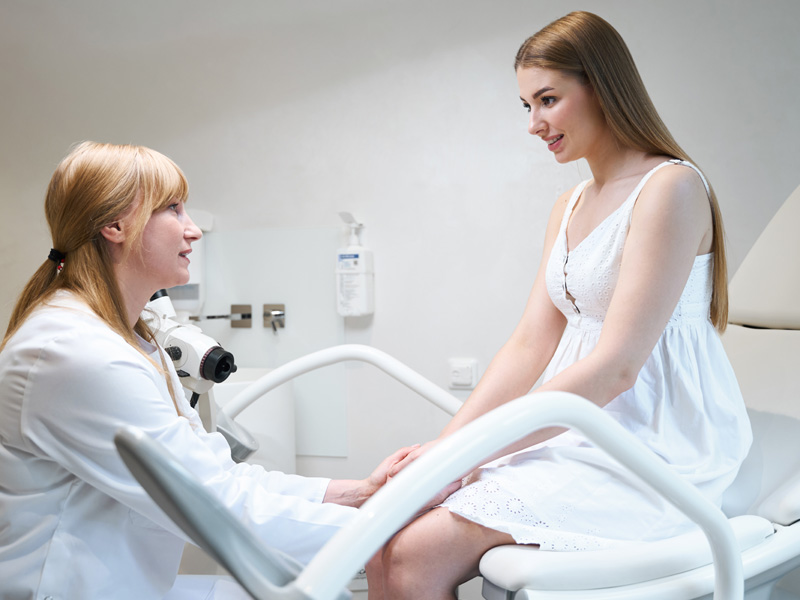
Scheduling your first visit with an OBGYN is a fundamental step in establishing routine reproductive and preventive healthcare. This initial appointment focuses on understanding your medical history and setting a basis for ongoing care. Here’s more information on what to expect during your first OBGYN appointment:
Preparing for Your Visit
Preparation helps you get the most out of your time with the OBGYN. Gathering information in advance allows the physician to understand your health background and address your specific needs accurately. Here are several steps to take before your appointment:
- Collect Medical History: Write down information about past surgeries, major illnesses, or allergies to medications.
- Track Your Cycle: Note the first day of your last period, as the doctor will ask for this date to track your cycle.
- List Medications: Make a list of all prescriptions, vitamins, and supplements you currently take.
- Identify Symptoms: Write down any physical symptoms you notice, such as cramps, irregular bleeding, or pain.
- Family History: Talk to your family about their medical history to identify potential genetic factors such as blood clots or cancer.
- Prepare Questions: List any questions you want to ask regarding your body, sex, or birth control.
The staff will also request your identification and insurance card upon arrival at the front desk. Make sure you bring these documents with you to avoid administrative delays.
Talking With Your OBGYN
The conversation portion of the visit is a fundamental part of the checkup. Your OBGYN will start by asking detailed questions about your general health and lifestyle choices. You should feel free to discuss topics like your menstrual cycle, sexual activity, and birth control methods. The doctor is a professional resource, and they are used to discussing sensitive topics daily. The OBGYN usually asks if your periods are regular or if they cause significant pain. They may also inquire about your sexual history to determine if you need testing for sexually transmitted infections.
Completing Exams and Screenings
The physical examination involves a few specific screenings to check your overall health. A nurse or chaperone is often present in the room during the exam for your safety and comfort. The standard procedures usually include the following evaluations:
- General Physical Exam: The staff checks your height, weight, and blood pressure to establish a health baseline.
- Breast Exam: The doctor manually checks your breast tissue for lumps or irregularities to screen for breast cancer.
- External Genital Exam: The physician examines the outside of the vagina to make sure the skin appears healthy and normal.
- Pelvic Exam: This exam checks your internal reproductive organs, but it is not always necessary for patients under age 21.
- Pap Smear: This specific test screens for cervical cancer, but doctors usually wait until age 21 to start this screening.
These exams are generally quick, and the doctor explains each step as they proceed. You can ask the doctor to stop or explain a step if you have questions at any point.
Understanding Next Steps
Once the exam concludes, the doctor will discuss any findings or necessary next steps. If the OBGYN performed some tests, they will explain when you can expect the results. You may receive a prescription for medication or birth control if you requested it during the consultation. The staff will help you schedule a follow-up visit if the specialist needs to monitor a specific issue.
See an OBGYN Today
Your first visit to an OBGYN establishes a partnership for your future well-being. Understanding the preparation, conversation, and examinations helps you prepare for the visit. Regular visits allow you to monitor changes in your body and address health concerns early. Contact a qualified OBGYN near you to schedule your appointment today.
- Top Tips for Planning an Unforgettable Bachelor Party
- Maximizing Efficiency: Digital Tools for Medical Record Review
- How Hiring a Plumber in Los Angeles Transforms Your Home
- How Personalized Aesthetic Plans Enhance Confidence and Self-Care
- How Hiring a Local Plumber Transforms Emergency Plumbing Situations