

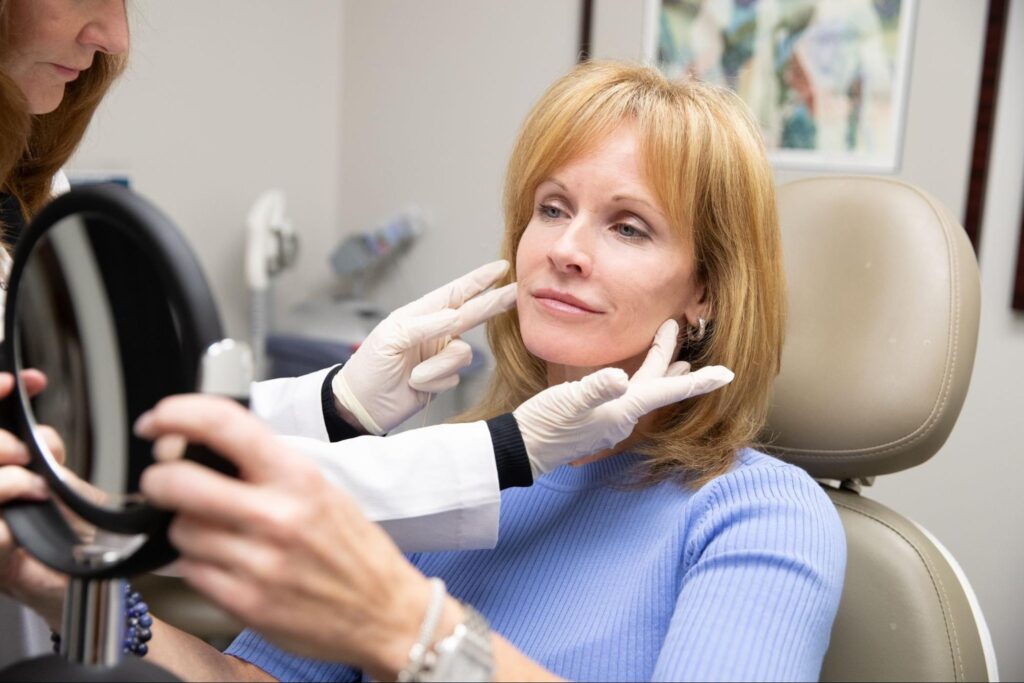
A dermatologist is a medical doctor who specializes in diagnosing and treating conditions that affect the skin, hair, and nails. These specialists manage a range of concerns, from common issues like acne to more complex diseases like cancer. Understanding what to expect during a consultation can help you prepare for your visit and communicate effectively with your provider. Here’s information on what to expect from a visit to the dermatologist:
Who May Benefit From Dermatology Care?
Many individuals benefit from visiting a dermatologist, as these physicians treat people of all ages, from infants to older adults. Most dermatology practices offer medical and cosmetic service options to address distinct aspects of skin health. Both specialties play a role in maintaining and improving skin health, addressing functional and aesthetic needs.
The primary goal of general dermatology is to improve skin health and treat any underlying medical concerns. General dermatology focuses on diagnosing and managing a range of medical conditions, including:
- Eczema
- Psoriasis
- Skin Infections
- Skin Cancer
Cosmetic dermatology is elective and primarily appearance-focused, but it can also improve skin health. Cosmetic services involve procedures that reduce signs of aging, improve skin texture, and address aesthetic concerns like scarring.
When Should You Visit a Specialist?
You may benefit from a consultation if you notice persistent skin irritation, new or changing moles, or hair loss that does not resolve on its own. A dermatologist can assess skin conditions or help manage acne that has not responded to over-the-counter products. Anyone with a personal or family history of skin cancer should also have regular appointments, as their risk of cancer is higher.
What Do Dermatologists Offer?
Dermatology practices provide a variety of services, including medical, surgical, and cosmetic care. Dermatologists are equipped to perform biopsies to test for skin abnormalities, and they also develop long-term management plans for chronic conditions. They can prescribe medications, perform surgical procedures like mole removal, and offer treatments for concerns like scarring or sun damage.
What Is a General Physical Exam Like?
During a general dermatology appointment, the physician will first discuss your medical history and ask about the specific concerns that brought you in. You will be asked about your symptoms, how long you have had them, and whether you have tried any treatments. This information helps the dermatologist understand your condition. Following this discussion, the dermatologist will conduct a physical examination, and they may use a dermatoscope to get a closer look at your skin. Your specialist may be able to provide a diagnosis and treatment plan during the same visit, but sometimes, further testing, like a skin biopsy or blood tests, may be needed to confirm a diagnosis.
What Is a Cancer Screening Like?
Skin cancer screenings are a visual inspection of your entire body, from your scalp to the soles of your feet. For this examination, you will change into a medical gown to allow for a thorough check of your skin. The dermatologist will look for any moles, birthmarks, or other spots that appear unusual in color, size, shape, or texture.
The purpose of the screening is to identify any potential signs of skin cancer early. Your dermatologist will carefully examine your skin, and they may use a dermatoscope to view specific spots more clearly. If a suspicious lesion is found, the dermatologist will discuss the next steps with you, as a biopsy for laboratory analysis may be necessary.
Contact a Dermatologist Today
Consulting with a dermatologist can provide clarity and help you proactively manage skin, hair, and nail conditions. A specialist can offer a professional evaluation and make personalized recommendations. Contact a dermatologist today, as they can determine which treatments are most effective for your needs.