

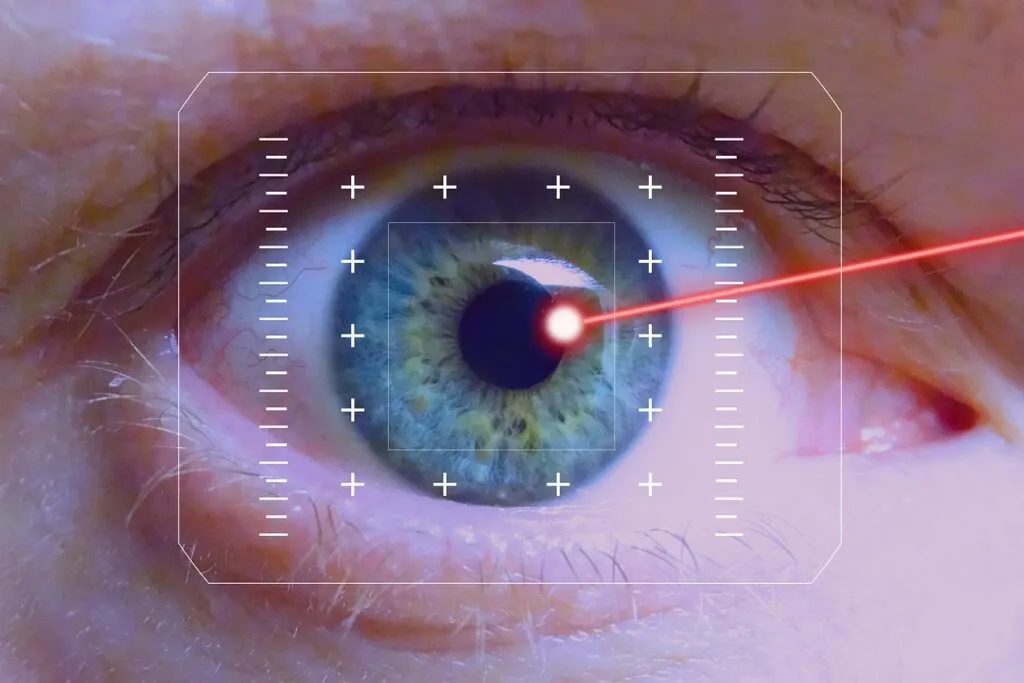
PRK is a well-established laser vision correction procedure that may be recommended for individuals who are not ideal candidates for LASIK. Factors such as corneal thickness, lifestyle concerns, and specific eye health conditions can influence the most appropriate procedure. Here’s more information on when to choose PRK:
How Does PRK Work?
PRK surgery uses an excimer laser to reshape the cornea, allowing light to focus properly on the retina. This process corrects refractive errors, so you can see clearly without corrective lenses. It is fundamental to note that PRK is a bladeless procedure that modifies the eye’s surface.
The surgeon completely removes the thin outer layer of the cornea, known as the epithelium. Once this layer is removed, the laser reshapes the underlying corneal tissue to correct your specific vision problem. This differs from LASIK, where a flap is created and then replaced. After surgery, the epithelium regrows over the cornea within a few days. The procedure effectively addresses the same vision issues as LASIK but uses a different approach to access the corneal tissue.
When Is PRK Better?
Ophthalmologists frequently recommend PRK for patients who present specific physiological traits or lifestyle factors. PRK is often the preferred method for the following scenarios:
- Thin Corneas: Patients with corneas that are not thick enough for a LASIK flap are often better candidates for photorefractive keratectomy.
- Chronic Dry Eye: Individuals with chronic dry eye may experience fewer complications with PRK because it does not involve creating a corneal flap.
- High-Risk Professions: Individuals in high-risk occupations, such as athletes and military personnel, benefit from PRK because there is no flap that could be dislodged.
These factors make PRK a safer and more effective choice for many individuals seeking vision correction.
How Long Is Recovery?
Recovery from PRK typically takes longer than recovery from LASIK, but the long-term visual outcomes are comparable. You may experience some pain or discomfort in the days immediately following the surgery as the epithelium heals. The surgeon will prescribe antibiotics and anti-inflammatory pain medications to reduce symptoms and minimize swelling.
To assist with comfort and healing, the doctor places bandage contact lenses on the eyes after the procedure. You will need to attend follow-up appointments so the doctor can monitor your progress and make sure the eyes are healing properly. Most patients can drive within one to three weeks after surgery, but vision may take up to three months to stabilize completely. You must also avoid sunlight, swimming, and getting debris in your eyes to reduce the risk of infection.
Is PRK Worth It?
Before scheduling surgery, contemplate the benefits and risks of photorefractive keratectomy. Here are some of the benefits and drawbacks of this procedure:
- Corneal Integrity: PRK eliminates the risk of flap complications, which preserves more corneal thickness and structural integrity.
- Visual Outcomes: Studies show that about 90% of people achieve 20/40 vision or better after three months, and 90% reach 20/20 after a year.
- Recovery Time: The healing process is slower compared to LASIK, often requiring several days of rest and discomfort management.
- Vision Stability: It may take longer for vision to stabilize, so you may not see clearly immediately after the procedure.
Evaluating these points with your ophthalmologist will help you make an informed decision about your eye care.
Schedule Your PRK Consultation Today
Choosing between PRK and LASIK depends on accurate medical assessment and expert advice. PRK offers a valuable alternative for those with thin corneas or specific lifestyle needs, providing excellent long-term vision correction. To explore your options, contact a qualified ophthalmologist near you to schedule your consultation today.