

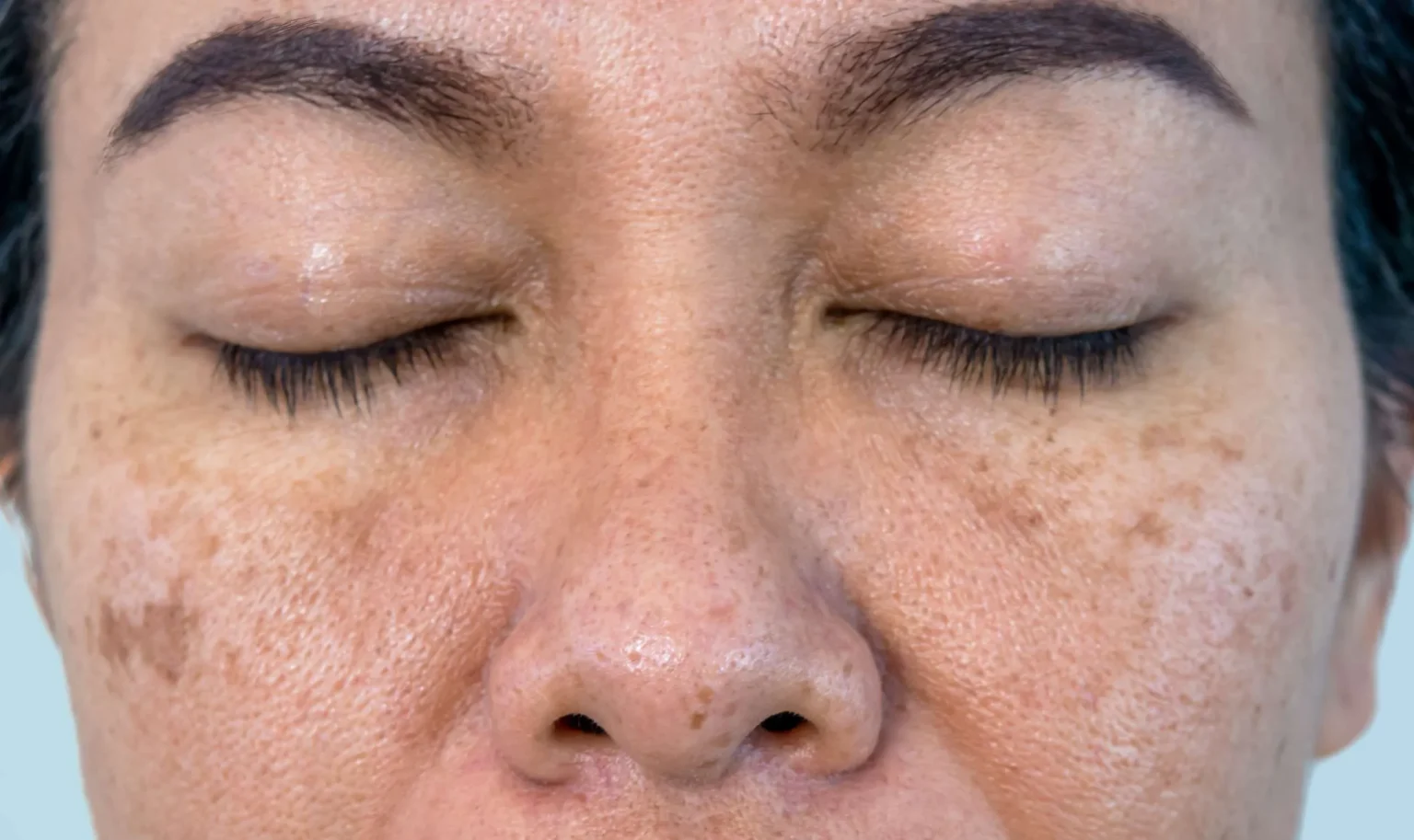
Dry skin is a common concern that affects people of all ages and skin types. Whether you’re dealing with occasional flakiness or persistent irritation, understanding the root causes of dry skin is the first step toward achieving a smoother, healthier complexion. While moisturizers can provide temporary relief, identifying what’s actually causing the dryness can help you find long-term solutions.
Let’s explore the top reasons your skin might be feeling dry—and what you can do about it.
1. Weather Changes and Environmental Factors
One of the most common culprits behind dry skin is the environment. Cold weather, low humidity, and strong winds can strip your skin of its natural moisture. During winter months, indoor heating systems further reduce humidity levels, leaving your skin feeling tight and dehydrated.
Even in warmer climates, excessive sun exposure can damage the skin barrier, leading to dryness over time. Protecting your skin with appropriate clothing, sunscreen, and a good moisturizer can help combat environmental damage.
2. Hot Showers and Harsh Cleansers
While a long, hot shower may feel relaxing, it can actually worsen dry skin. Hot water removes your skin’s natural oils, which are essential for maintaining hydration. Similarly, using harsh soaps or cleansers with strong chemicals can disrupt your skin’s protective barrier.
Opt for lukewarm water and gentle, fragrance-free cleansers to help preserve your skin’s natural moisture. After bathing, apply moisturizer immediately to lock in hydration.
3. Dehydration
Your skin reflects what’s happening inside your body. Not drinking enough water can contribute to dryness, making your skin appear dull and less elastic. Staying hydrated is crucial for maintaining healthy skin from within.
In addition to drinking water, consuming foods rich in water content—like fruits and vegetables—can also support your skin’s hydration levels.
4. Aging and Natural Skin Changes
As we age, our skin naturally produces less oil. This reduction in sebum can lead to increased dryness, especially in areas like the hands, arms, and legs. The skin also becomes thinner over time, making it more prone to irritation and moisture loss.
Incorporating richer moisturizers and hydrating serums into your skincare routine can help counteract these changes and keep your skin feeling supple.
5. Underlying Skin Conditions
Certain skin conditions can cause or worsen dryness. Conditions like eczema, psoriasis, and dermatitis often lead to flaky, itchy, and inflamed skin. If your dryness is severe or persistent, it may be worth consulting a dermatologist to rule out any underlying issues.
Proper diagnosis and treatment can make a significant difference in managing these conditions effectively.
6. Lifestyle Habits
Your daily habits play a bigger role in your skin health than you might think. Smoking, excessive alcohol consumption, and poor diet can all contribute to dry skin. These habits can weaken your skin’s barrier and reduce its ability to retain moisture.
Additionally, lack of sleep and high stress levels can impact your skin’s overall condition, making dryness more noticeable.
7. Hard Water Exposure
An often-overlooked cause of dry skin is hard water. Water that contains high levels of minerals like calcium and magnesium can leave a residue on your skin, making it harder for moisturizers to penetrate effectively. Over time, this can lead to dryness and irritation.
For those dealing with this issue, solutions like water softener installation in Layton can help reduce mineral buildup and improve overall skin feel after bathing.
8. Over-Exfoliation
Exfoliating your skin can be beneficial, but overdoing it can strip away essential oils and damage your skin barrier. Using exfoliating products too frequently or choosing overly abrasive scrubs can lead to increased dryness and sensitivity.
Limit exfoliation to once or twice a week and choose gentle products that suit your skin type.
Final Thoughts
Dry skin can be frustrating, but it’s often the result of multiple factors working together. From environmental conditions to personal habits, understanding what’s causing your dryness allows you to take targeted steps toward healthier skin.
By making small adjustments—like using gentler products, staying hydrated, and protecting your skin from harsh elements—you can restore moisture and maintain a glowing complexion. If dryness persists despite your efforts, seeking professional advice can help you uncover deeper causes and find the right treatment plan. Healthy skin starts with awareness, and now that you know the top causes, you’re better equipped to keep dryness at bay.