

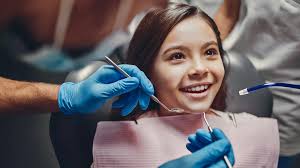
Because children grow rapidly, their oral anatomy requires specialized attention during every developmental stage. Pediatric dentists typically complete specialized training, and they study child psychology extensively. Staff members utilize techniques that manage behavioral challenges effectively. Here is more information on why pediatric dentists are needed for your child’s oral health:
Aligning Teeth
Primary teeth hold the necessary space for their permanent successors, which will erupt later. If a baby tooth falls out too soon, the adjacent teeth drift into the gap. Spacers maintain the opening, and the adult tooth eventually moves into the correct position. This guidance aims to prevent severe crowding.
Crowding creates difficult cleaning areas, but early monitoring simplifies future orthodontic treatment plans. While braces straighten teeth during adolescence, pediatric dentists monitor jaw expansion during childhood. They guide jaw growth effectively. Proper alignment supports effective chewing and speaking functions for the growing child.
A dentist can look for these alignment issues:
- Overcrowding, where there isn’t enough space for all the teeth to align properly
- Crossbites, where the upper teeth fit inside the lower teeth when biting down
- Open bites, which occur when the upper and lower teeth do not meet when the mouth is closed
- Overbites or underbites, where the upper or lower jaw protrudes noticeably
- Spacing issues, including gaps between teeth, can affect alignment and functionality
Catching Issues Early
Tooth decay spreads aggressively in primary teeth, but early detection stops the damage effectively. While cavities start as microscopic spots, they penetrate the thin enamel layer very quickly. A pediatric dentist identifies these lesions, and they apply sealants to protect the surface. Intervention keeps the structure intact.
Gum tissues also require professional inspection, as gingivitis affects children with poor brushing habits. Because plaque accumulates near the gumline, soft tissues typically become red and inflamed. Regular exams monitor these soft tissue changes, and a dentist can spot infection signs immediately.
When the dentist examines the mouth, they check for subtle developmental anomalies. Extra teeth might block eruption paths, or missing teeth may cause future spacing problems. These issues remain hidden without X-rays, so digital imaging provides the necessary data for analysis. The diagnostic process reveals what lies beneath.
Preventing Lasting Damage
If a child sucks their thumb excessively, the shape of the hard palate alters significantly. The upper jaw narrows over time, and the front teeth protrude outward continuously. Oral habits affect bone structure.
Typical structural changes include:
- Anterior open bites
- Posterior crossbites
- Protruding upper incisors
- Narrowed roof of the mouth
Teaching Proper Hygiene
Many young children lack the manual dexterity required for thorough and effective tooth brushing. During the early years, parents must assist with daily cleaning routines to remove plaque. Plaque accumulates overnight, so morning and evening routines remain non-negotiable for health. Proper technique removes bacteria efficiently.
Visit a Pediatric Dentist
Schedule an appointment soon, and establish a dental home for your family’s ongoing care. Professional guidance supports healthy development, and the dental team answers your specific questions. Because oral health impacts overall wellness, regular checkups protect your child from avoidable pain. Book your visit with a family dentistry clinic today.