

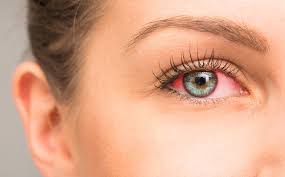
Many individuals experience itchy, watery, and red eyes, especially during certain times of the year. These bothersome symptoms are often linked to eye allergies, sometimes called allergic conjunctivitis. Eye allergies occur when your eyes react to substances in your environment; these substances are called allergens. Recognizing what triggers this irritation is a key first step on the path to relief. Here are several allergens that affect the eyes and some ways to manage uncomfortable symptoms:
Identifying Common Environmental Allergens
Various substances may trigger an allergic reaction in your eyes. These allergens are usually harmless, but your immune system sometimes sees them as a threat, resulting in redness and irritation. Recognizing your specific triggers is a key step, as it forms the foundation for making helpful changes to your environment. If you contemplate how daily surroundings influence your symptoms, it can become easier to reduce the impact of these allergens.
- Pollen: This substance is a common culprit, and it comes from trees, grasses, and weeds. Pollen counts may be higher in the spring, summer, and fall, which is why some people experience seasonal allergies.
- Dust Mites: These tiny organisms live in household dust, bedding, upholstered furniture, and carpets. Unlike pollen, dust mites can cause symptoms year-round.
- Pet Dander: The small flakes of skin shed by animals like cats, dogs, and rodents are a common source of allergies. You might notice symptoms after petting an animal or after being in a room where one has been.
- Mold: Mold spores can be found in damp areas both indoors and outdoors. They grow in spaces such as basements, bathrooms, and piles of wet leaves.
Recognizing the Signs of Allergies
When an allergen touches your eyes, your body releases histamine. This natural response causes the blood vessels in the conjunctiva, the thin membrane over the white of your eye, to swell. Swelling from this reaction is a key reason you notice common symptoms linked to eye allergies. You may notice:
- Redness and irritation
- Intense itching
- Watery discharge or excessive tearing
- A gritty feeling, as if something is in your eye
- Swollen eyelids
Finding Ways To Manage Symptoms
Focusing on reducing exposure to allergens and finding practical ways to soothe your eyes during flare-ups can help manage eye allergies. Take steps to reduce contact with your triggers. If pollen seems to be a key source of irritation, keep windows closed during high-pollen periods, and wear sunglasses outdoors as a protective barrier. When indoor allergens like dust mites are at the root of your symptoms, regular cleaning and washing bedding in hot water can offer fundamental support. Contemplate using an air purifier to help remove airborne irritants in your home environment.
When you already have itchy or red eyes, finding comfort becomes a key focus. A cool compress placed over closed eyes can offer helpful, immediate relief from swelling and itching. Over-the-counter lubricating eye drops help flush allergens away, and they ease dryness in some cases. If symptoms are persistent, contact an eye specialist for further evaluation. These doctors make sure the symptoms aren’t caused by an underlying issue, such as an infection. Avoid rubbing your eyes, since this action may increase irritation rather than provide relief. Taking these fundamental steps supports your efforts to manage symptoms and regain comfort.
Find Treatment for Red Eyes
Living with allergy-related eye symptoms can impact daily comfort, but effective management strategies are available. By identifying triggers and reducing exposure, you improve comfort and regain control over daily symptoms. Some eye specialists also offer professional treatments, such as prescription eye drops or targeted therapies designed to reduce inflammation. If symptoms persist or interfere with daily activities, contact a healthcare professional for personalized guidance.
- Comprehensive Approaches to Mental Health and Behavioral Support
- Accessible Home Modifications for Seniors and Handicapped Individuals
- 6 Bathroom Renovation Resources Spokane Homeowners Can Use for Safer, Easier-Care Spaces
- How R&D Center Helps People Find Personalized Drug Treatment in Philadelphia, Pennsylvania
- How Play Builds School Readiness for Preschoolers in Greensboro, North Carolina