

Table of Contents
- Understanding Facial Asymmetry
- How Botox Works
- Common Asymmetries Treated with Botox
- The Botox Procedure
- Potential Risks and Considerations
- Combining Botox with Other Treatments
- Choosing a Qualified Practitioner
- Conclusion
Facial symmetry is a key characteristic often associated with attractiveness and harmony. While few people have perfectly symmetrical features, visible imbalances can impact self-esteem and facial aesthetics. Many individuals interested in botox for facial symmetry find that non-surgical options provide a gentle, effective approach to correcting these concerns without significant downtime. Botox, derived from the botulinum toxin, is renowned for temporarily relaxing targeted muscles. By targeting specific muscle activity, this popular treatment can balance uneven features and subtly enhance overall facial proportions.
Slight facial irregularities are a natural part of human biology and are usually harmless. However, pronounced differences, whether inherited, age-related, or caused by injury, may prompt individuals to explore cosmetic options. Understanding the mechanics behind facial symmetry, as well as the capabilities and limitations of Botox, helps prospective patients make safer, more informed choices for their appearance. For those interested in comprehensive care and expertise, Advanced Smiles Marion offers specialized guidance and customized solutions tailored to each individual’s needs.
Understanding Facial Asymmetry
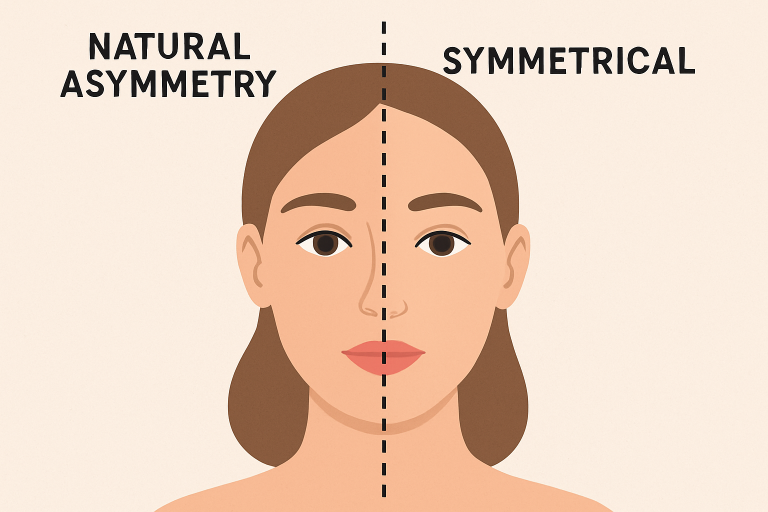
Facial asymmetry occurs when features on one side of the face do not perfectly reflect those on the other. While some degree of asymmetry is universal and can even give a face character, noticeable unevenness may influence self-image and how others perceive us. Common causes include inherited traits, environmental factors, trauma, dental issues, and natural aging processes. In some cases, underlying medical conditions may be involved, making professional evaluation important before seeking cosmetic correction.
How Botox Works
Botox is a purified protein that works by blocking nerve signals to targeted muscles, thereby reducing their activity. When injected precisely, Botox helps balance hyperactive or dominating muscles, creating a more harmonious facial appearance. The effects of treatment usually become visible within a few days and can last for three to six months. Recent studies, including information from Healthline, indicate that Botox is both safe and reliable when administered by qualified professionals.
Common Asymmetries Treated with Botox
- Eyebrow Position: Uneven eyebrows are often addressed with Botox by relaxing the muscles that elevate or depress the brows, resulting in a balanced appearance.
- Smile Lines: For uneven smile lines or differences in mouth corners, Botox can reduce the pull of overactive muscles around the lips.
- Jawline Contours: Overdeveloped jaw muscles (masseter hypertrophy) on one side can distort jawline symmetry. Strategic Botox injections help create a more even contour.
The Botox Procedure
- Consultation: The practitioner reviews your goals, medical history, and facial structure to create a personalized treatment plan.
- Injection: Botox is injected in small, measured amounts into specific facial muscles using a fine needle. The process typically takes less than 30 minutes.
- Post-Treatment Care: Patients are given simple instructions such as avoiding strenuous activity and not rubbing the treated area for several hours. Mild swelling or redness may occur but usually resolves quickly.
The results often begin to appear within 1 to 3 days and reach full effect within 2 weeks. Patients usually return for periodic touch-ups to maintain their results.
Potential Risks and Considerations
When performed by a skilled practitioner, Botox injections carry a low risk of complications. Even so, some possible side effects include mild discomfort at the injection site, temporary muscle weakness near the treated area, headaches, or, very rarely, allergic reactions. Incorrectly placed injections can lead to further asymmetry or drooping, emphasizing the need for an experienced provider.
Combining Botox with Other Treatments
Botox is often included in a comprehensive treatment strategy. Dermal fillers may be used alongside Botox to restore lost facial volume, fill deep lines, or refine contours that muscle relaxation alone cannot address. High-quality skin care routines and minimally invasive procedures (like microneedling or laser therapy) can support and prolong results, further enhancing skin texture and tone. Patients interested in combination treatments should discuss their aesthetic goals and medical history with their provider to ensure a customized, safe approach.
Choosing a Qualified Practitioner
The provider’s skill and experience directly impact the outcomes of Botox treatments. As a patient, you should verify a professional’s credentials, licensing, and specialized training in facial aesthetics. Before-and-after photos and patient reviews help paint a picture of the practitioner’s capability. During consultation, clear communication about expectations and options is essential for achieving the desired results. Never hesitate to ask questions or seek additional opinions if you are unsure.
Conclusion
Botox has become a highly accessible option for those seeking subtle corrections in facial symmetry. By offering a non-invasive pathway to improved facial balance and confidence, it meets the needs of a wide variety of individuals. Informed decisions and collaboration with qualified experts ensure both safety and satisfaction, making aesthetic goals achievable for many.
- After Death And Meaning: A Practical Guide To Grief, Hope, And End-Of-Life Conversations
- What to Do in the First Few Minutes of a Suspected Cardiac Arrest
- 6 Leading Dental Implant Providers In Palm Beach County
- 7 Downtown Chicago Hotels For Rooftop Views, Events, And Memorable Stays
- A Practical Guide to Safer, Smarter Food Storage at Home