

Key Takeaways
- Look beyond the floor plan and consider the daily life surrounding the property.
- Measure convenience with actual walking routes and travel times, not broad listing language.
- Separate amenities that exist today from projects that are still proposed.
- Compare neighborhoods individually rather than relying only on countywide market averages.
- Consider both lifestyle benefits and trade-offs such as traffic, parking, noise, and seasonal conditions.
A home purchase in Niwot or elsewhere in Boulder County is rarely just about the kitchen, bedroom count, or finished square footage. Buyers are also evaluating the routines a location makes possible, from a morning walk to local coffee to an easy drive for groceries, school drop-off, trail access, or a commute along the Front Range.
For a location-specific perspective, Niwot, CO real estate agent Deborah Read Fowler and the DRF Team provide guidance for buyers and sellers across Niwot, Boulder County, and the wider Front Range. Their real estate website offers property searches, home valuation guidance, and local market insight grounded in familiarity with neighborhood character, schools, businesses, and the practical details that can shape a move.
Why the Neighborhood Deserves a Closer Look
Two homes with similar size, condition, and price can attract very different interest because their locations support different lifestyles. One may be close to shops, parks, schools, and bike routes. Another may offer more privacy, larger lots, or quieter streets. Neither is automatically better, but each appeals to a different buyer.
Livability is the practical mix of convenience, comfort, access, safety, and community character. Buyers often picture a complete weekday and weekend routine before making an offer. They consider where they will buy groceries, walk a dog, meet friends, reach medical care, work remotely, or spend time outdoors.
Walkability Adds Everyday Value
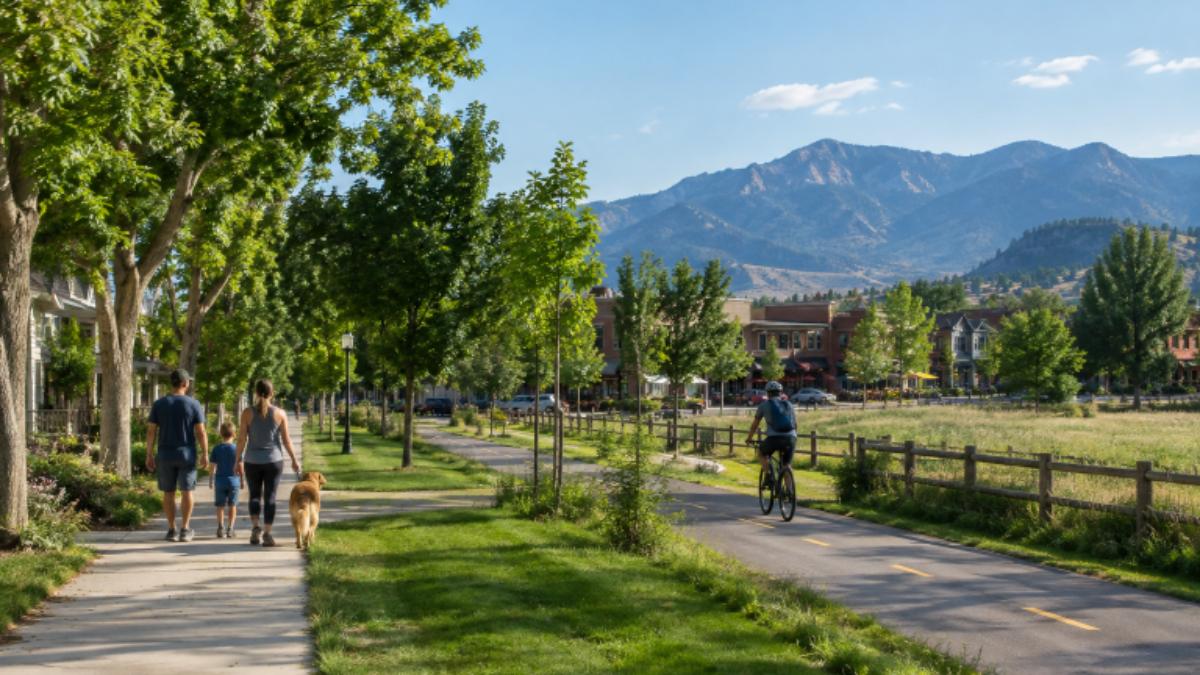
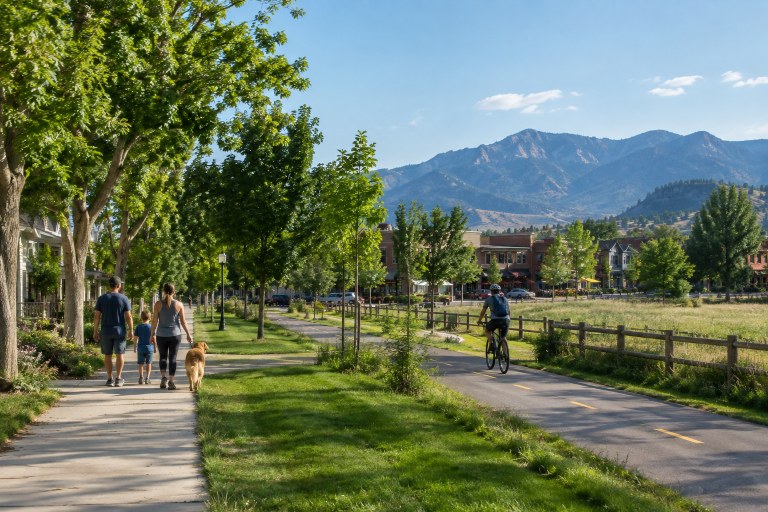
Walkability means more than having a sidewalk nearby. It means being able to reach useful destinations safely and comfortably on foot, including parks, schools, restaurants, trail connections, small businesses, and daily services. In Niwot, a home near the village core may appeal to buyers who value a more connected daily routine, while a more rural setting may appeal to those prioritizing space and privacy.
Sidewalk continuity, safe crossings, lighting, bike lanes, traffic speed, and the condition of the route all matter. A listing should not call a location walkable simply because an amenity is nearby on a map. Buyers should walk the actual route, including crossings and road shoulders, to decide whether it works for their household.
Local Services Buyers Notice
Convenience does not guarantee a higher sale price, but it can broaden a home’s appeal and make everyday ownership easier. Buyers commonly notice:
- Grocery stores, pharmacies, medical offices, and child-care options.
- Restaurants, coffee shops, local retail, and community gathering places.
- Libraries, recreation facilities, parks, and public open spaces.
- Road access, snow removal patterns, utility reliability, and internet availability.
These details can matter as much to a remote worker as they do to a family balancing school, activities, errands, and commuting. Sellers can help by describing nearby services accurately, with clear distances or travel times rather than broad promises about convenience.
Parks, Trails, and Outdoor Access
Outdoor access is a meaningful part of life in Boulder County. Nearby trails, open space, greenways, and parks can support recreation, dog walking, cycling, and time outside without a long drive. Scenic surroundings can also be a major part of a property’s appeal.
Still, buyers should look beyond the nearest trailhead. Visit at different times to understand parking, visitor activity, noise, seasonal conditions, and access during weather events. Properties near foothill or open-space areas may also require closer review of drainage, flood exposure, wildfire considerations, insurance availability, and evacuation routes.
Schools, Transit, and Daily Travel
School boundaries can influence buyer demand, but they should always be verified through the relevant school district rather than an older listing. Buyers should also test the real commute, not just rely on a map estimate. Morning traffic, construction, weather, school pickup periods, and the availability of transit or bike connections can change the experience substantially.
Boulder County continues to plan for multimodal travel options, including pedestrian, bicycle, road, trail, and transit connections. The Boulder Valley Comprehensive Plan addresses long-term decisions involving housing, transportation, land use, environmental priorities, and neighborhood character. Planned improvements may add convenience, but they can also affect traffic patterns, density, views, and construction activity.
Community Character and Local Events
Farmer’s markets, concerts, neighborhood organizations, festivals, and independently owned businesses contribute to a sense of place. Niwot’s village atmosphere, Boulder’s cultural activity, Longmont’s growing urban amenities, and the county’s outdoor-oriented lifestyle can attract buyers for very different reasons.
Community life has trade-offs. Popular events can bring road closures, parking pressure, and added noise. Before buying, visit the neighborhood on a weekday morning, a weekday evening, and a weekend. That simple exercise can reveal far more than a single showing.
What Current Market Data Means for Buyers and Sellers
Countywide figures provide useful context, but they cannot explain every neighborhood. According to the current Boulder County housing market data, the median sale price over the three months ending August 2026 was about $708,000, and homes averaged 52 days on market. Conditions can vary widely between Niwot, Boulder, Longmont, Lafayette, Louisville, mountain communities, and unincorporated areas.
Buyers should compare recent sales, active competition, property condition, lot characteristics, and location factors within a tight area. Sellers should avoid assuming that a countywide figure determines their home’s value. A house near a popular trail, a quieter street, or a convenient village location may compete in a very different segment of the market.
A Buyer’s Neighborhood Review Checklist
- Measure travel time to work, groceries, schools, parks, and medical care.
- Walk or drive the area during busy and quiet periods.
- Check sidewalks, crossings, lighting, bike routes, and road conditions.
- Review flood, wildfire, drainage, insurance, and utility considerations.
- Ask about nearby development, road work, zoning changes, and future projects.
- Test the mobile service and confirm internet options at the property.
- Compare property taxes, HOA costs, utilities, parking needs, and commuting expenses.
- Talk with residents about traffic, maintenance, noise, and daily community life.
A Seller’s Guide to Showing Location Value
Sellers can make location benefits easier to understand by using specific, supportable details. Mention a nearby trail connection, park, village business district, transit stop, or recreation option when it is genuinely relevant. A simple neighborhood map can help buyers see the relationship between the home and everyday destinations.
Avoid vague phrases such as “steps from everything” or promises of “future-proof value.” Instead, explain how the property may suit different routines, including remote work, commuting, family life, retirement, outdoor recreation, or low-maintenance living.
Common Questions About Neighborhood Value
Does walkability always increase a home’s sale price?
No. Walkability can improve appeal, but its effect depends on buyer demand, property type, parking, street activity, noise, and the quality of nearby destinations.
Are parks and trails more valuable than extra interior space?
It depends on the buyer. One household may prioritize outdoor access, while another may place more value on an additional bedroom, office, garage, or larger yard.
Can future development change a home’s appeal?
Yes. New retail, housing, roads, transit, and public improvements may create convenience, while also changing traffic, density, construction activity, views, or noise.
Conclusion
In Niwot and across Boulder County, a home’s value is shaped by more than its interior. Walkability, nearby services, trail access, travel options, and community character can influence how a property feels and how broadly it appeals. The strongest decisions come from evaluating the home and the daily life that surrounds it with equal care.
- How Walkability, Local Services, and Community Life Shape Home Value in Niwot and Boulder County, Colorado
- Ensuring Flawless Audio with Professional Event DJ Services
- 6 Best AI Recruiting Platforms And Applicant Tracking Systems
- 6 Best Walk-In Tub Installers In Sacramento And The Bay Area
- Understanding the Benefits of Hormone Optimization Therapy