

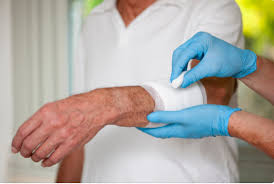
Living with diabetes requires constant vigilance over many aspects of health, and the skin often demands specific attention. High blood sugar levels change how the body functions on a cellular level, making simple injuries more complicated. A small cut or blister might heal quickly for some, but for those with diabetes, it presents a significant challenge. Recognizing the need for proper wound care early helps maintain overall health. Consistent attention to any skin injury acts as a primary defense against severe complications.
How Does Diabetes Affect Healing?
Diabetes fundamentally alters the body’s natural repair mechanisms. High glucose levels stiffen blood vessels, which slows circulation and limits the delivery of oxygen and nutrients to the injury site. Without these necessary elements, tissue repair stalls. White blood cells, which fight off bacteria, also function less effectively in a high-sugar environment. This creates a situation where the body struggles to close wounds and fight off potential invaders simultaneously.
Several physiological factors play a role in this delayed process:
- Neuropathy: Nerve damage leads to a loss of sensation. A person may sustain an injury and not feel it, allowing the wound to worsen without detection.
- Poor Circulation: Narrowed blood vessels reduce blood flow, particularly to the feet and legs. This restricts the amount of oxygen reaching the tissue.
- Immune System Dysfunction: High blood sugar levels impair the immune response. This weakness allows bacteria to multiply more easily.
- Inflammation: Diabetes often causes a state of chronic inflammation. This prevents the healing process from moving past the initial inflammatory stage to the repair stage.
When Should Care Begin?
Wound care must start the moment an injury occurs. Waiting for a sore to hurt is not a safe strategy, especially given the risk of numbness. Immediate cleaning of any break in the skin removes bacteria and reduces infection risks. Patients often benefit from adopting a routine of daily inspection. Checking feet and legs every evening allows for the early discovery of blisters, scratches, or pressure spots.
Early intervention keeps minor issues from escalating. Treating a small scrape involves cleaning it with mild soap and water, applying an antibiotic ointment if recommended by a doctor, and covering it with a sterile bandage. This simple protocol creates a barrier against dirt and germs. Observing the site over the next few days reveals whether it is improving or deteriorating. Redness, swelling, or warmth signals a need for further medical attention. Time remains a key factor. The faster wound care begins, the better the outcome typically is.
Why Is Wound Care Pivotal?
Proper management of injuries serves as the foundation for preventing life-altering complications. It is not just about healing a cut; it is about preserving the body’s integrity. Neglecting a wound can lead to rapid deterioration of tissue.
Prioritizing skin health offers several key benefits:
- Infection Prevention: Open sores provide a gateway for bacteria to enter the bloodstream. Keeping a wound clean and covered blocks these pathogens effectively.
- Amputation Avoidance: Chronic ulcers that become infected can lead to gangrene. Treating wounds aggressively preserves limbs and prevents the need for surgical removal.
- Mobility Maintenance: Foot ulcers often require off-loading or staying off one’s feet to heal. Managing wounds early minimizes downtime and keeps patients active.
- Cost Reduction: Advanced medical treatments for severe ulcers are expensive. Addressing issues early at home or in a clinic lowers long-term healthcare expenses.
Effective wound care breaks the cycle of damage. By addressing the injury immediately, the body gets the support it needs to overcome the disadvantages caused by diabetes. This proactive approach protects long-term health and quality of life.
Consult a Specialist
If a wound does not show signs of healing after a few days, seek professional help immediately. Podiatrists and wound care specialists possess the tools to treat stubborn ulcers that over-the-counter methods cannot fix. Do not attempt to treat deep or infected wounds at home. Professional debridement or specialized dressings may be necessary to restart the healing process. Take charge of your health today by scheduling a foot exam or consulting a doctor about any non-healing injuries.
- Planning Chiropractic Visits Around Pain, Recovery, and Daily Life
- When Should You Speak to a Casselberry Car Accident Lawyer?
- How Corporate Lawyers Help Companies Manage Risk and Compliance
- Ken Raymie: Why a Healthy Work-Life Balance Matters for Today’s Workforce
- How to Buy Antique Furniture at Auction Without Overpaying