

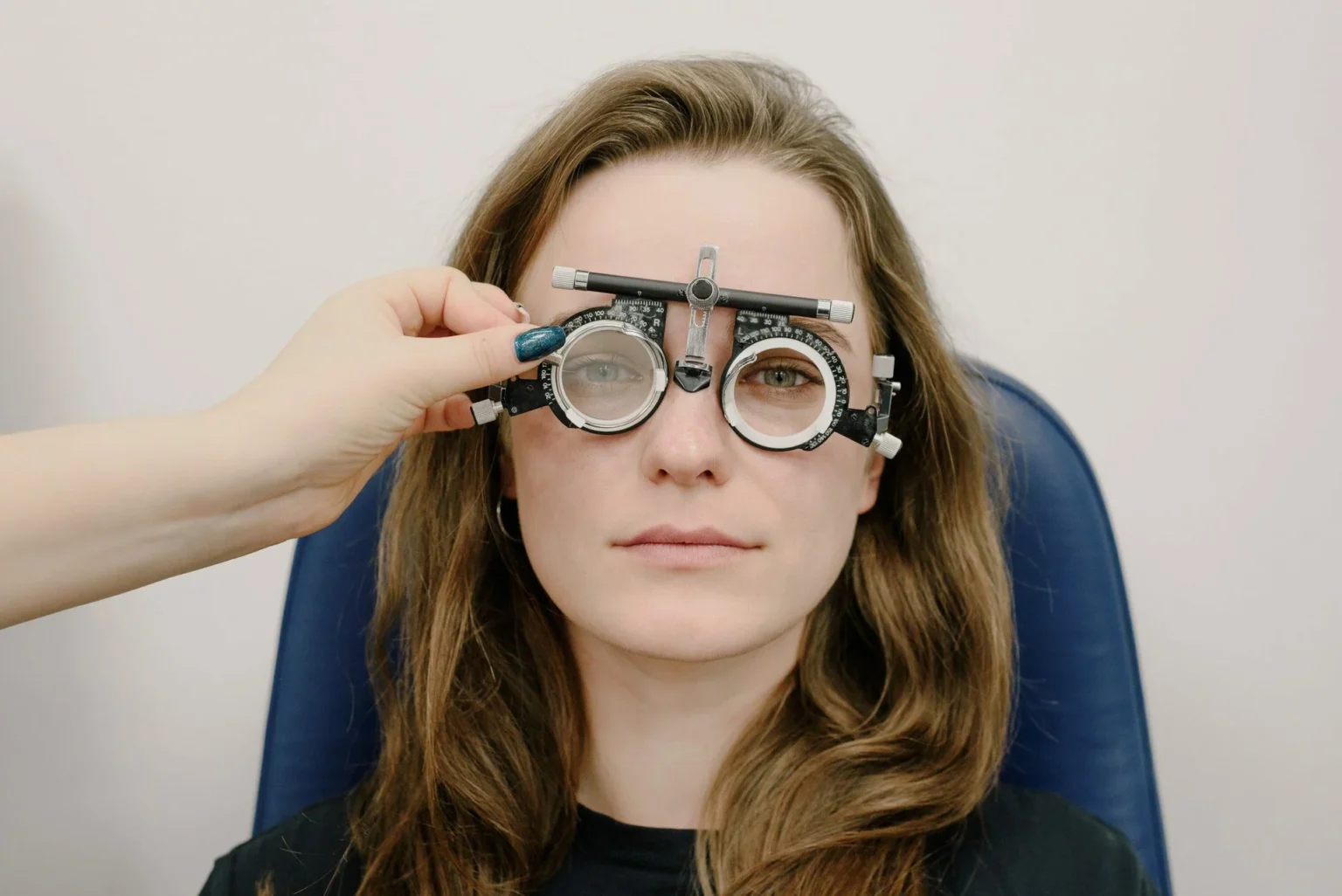
Selecting an appropriate eye care provider requires a thorough understanding of specific ocular health requirements. An optometrist functions as a primary healthcare professional for routine eye and vision care. Here is more information on optometry, the available services, the conditions optometrists treat, and the benefits of professional eye care:
What Is an Optometrist?
An optometrist practices optometry, which involves examining the eyes for vision and health problems. They prescribe eyeglasses and contact lenses, and they provide low-vision rehabilitation. Distinguishing between an optometrist and an ophthalmologist helps in selecting the correct provider. Ophthalmologists are medical doctors who perform surgery, but optometrists focus on primary vision care.
What Services Do They Provide?
Comprehensive eye exams constitute a core service offered by these practitioners. These evaluations assess visual acuity, and they check for signs of common eye diseases. The exam includes tests for depth perception, color vision, and eye muscle movements. The doctor also examines the internal structure of the eye using specialized lights and lenses.
Medical eye exams differ from routine vision checks as they target specific issues. A patient may visit for an eye infection or a sudden vision change, so the doctor performs a focused evaluation. This service addresses acute issues such as dry eye, glaucoma management, and diabetic eye monitoring. Diagnosing and managing these medical concerns helps prevent further complications and preserve long-term sight.
Prescription lenses and contact lens fittings are standard offerings for vision correction. The optometrist measures the curvature of the cornea, and they determine the precise power needed for clear vision. The provider also instructs patients on proper insertion, removal, and hygiene practices for contacts. Some offices also provide Department of Motor Vehicles (DMV) vision screenings for driver’s license renewals.
What Conditions Do They Treat?
Refractive errors are common conditions treated in an optometry setting. Myopia, commonly known as nearsightedness, occurs when light focuses in front of the retina. This condition causes distant objects to appear blurry, while close objects remain clear, and corrective lenses adjust the focal point to resolve this discrepancy.
Hyperopia, or farsightedness, creates the opposite effect regarding visual focus. People with this condition see distant objects clearly, but they struggle to focus on items nearby. Corrective lenses shift the focal point onto the retina to restore sharp vision. The degree of correction depends on the severity of the hyperopia.
Presbyopia and astigmatism are additional refractive issues managed by optometrists. Presbyopia affects near vision as the eye’s lens loses flexibility with age, and astigmatism results from an irregularly shaped cornea. Both conditions require specific corrective prescriptions to optimize visual function.
How Is Eye Care Beneficial?
Regular optometric care facilitates the early detection of ocular diseases. Some eye conditions present no early symptoms, so routine exams are necessary for timely diagnosis. Early intervention may prevent permanent vision loss or slow disease progression, with routine visits providing a baseline for monitoring changes over time.
Proper vision correction impacts daily activities and overall safety. Uncorrected vision leads to headaches and eye strain, yet prescription eyewear alleviates these physical symptoms. Clear sight enables individuals to perform tasks efficiently and comfortably, reducing the risk of accidents in environments requiring sharp visual acuity.
Choose an Optometrist Today
Identifying the right optometrist involves evaluating the range of services provided. Scheduling an appointment establishes a plan for better ocular health. Regular visits allow for continuous monitoring, and they verify prescriptions remain current. Contact a local clinic to arrange a comprehensive examination.
- Comprehensive Approaches to Mental Health and Behavioral Support
- Accessible Home Modifications for Seniors and Handicapped Individuals
- 6 Bathroom Renovation Resources Spokane Homeowners Can Use for Safer, Easier-Care Spaces
- How R&D Center Helps People Find Personalized Drug Treatment in Philadelphia, Pennsylvania
- How Play Builds School Readiness for Preschoolers in Greensboro, North Carolina