

Ingrown toenails occur when the corner or edge of a toenail starts to grow into the soft tissue of the toe rather than straight out. This condition often leads to pain, swelling, and redness, and if left unaddressed, it might result in an infection. Learning how to address this issue helps reduce discomfort and the chance of complications if you act early. Here are some treatments for ingrown toenails:
Lift the Nail
When you first notice a toenail starting to grow into your skin, gentle lifting can provide relief in mild cases. Begin by soaking your foot in warm, soapy water two or three times daily. This softens the surrounding skin and the nail, which reduces pain and makes the process easier. Take a small piece of clean cotton or waxed dental floss and gently wedge it under the ingrown edge of the nail. The goal is to encourage the nail to grow above the skin’s surface, rather than pressing deeper into it. Change this cotton or floss every day, as a moist environment invites bacteria and increases infection risks. Some people use antibiotic ointment around the area to reduce the chance of infection, but always keep the area clean and dry between soaks.
Open-toed sandals relieve pressure on the toes, and roomy shoes help prevent further irritation. Be careful not to dig into the skin with sharp instruments or cut away too much nail on your own. This approach is generally effective in the earliest stages when only a small portion of the nail is involved.
Remove the Nail
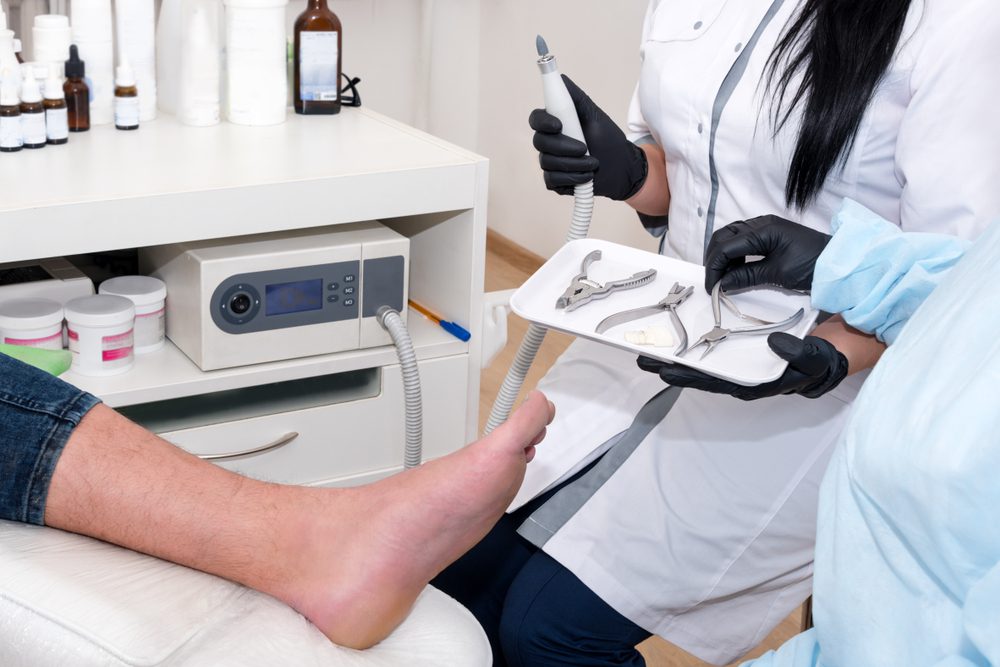
When lifting the nail at home does not relieve pain, or if infection develops, more direct treatment is often necessary. Partial or complete nail removal is usually performed in a medical office by a podiatrist. Signs indicating you might need this intervention include:
- Persistent redness
- Significant swelling
- Drainage
- Severe pain that interferes with walking
During a partial nail avulsion, the doctor numbs the toe with a local anesthetic to keep the procedure as comfortable as possible. They trim away only the ingrown portion of the nail, and they carefully protect the surrounding tissue. If the condition is recurrent, your doctor may suggest removing the entire nail or applying a chemical solution to the nail bed to prevent regrowth.
Prevent Recurrence
Consistent foot care habits help lower your risk of future ingrown toenails. Trim toenails straight across instead of rounding the corners, which allows the nail to grow outward properly. Avoid cutting them too short; nails cut too close to the skin make it easier for the edge to dig in as the nail grows. Footwear choice also plays a significant role. Select shoes that offer space in the toe box, so your toes are not cramped or rubbed by tight material. For athletes or workers in jobs requiring closed or protective footwear, check that your shoes fit well and replace worn-out pairs that squeeze your feet. Socks that wick moisture and keep the feet dry help reduce bacterial and fungal growth that can complicate nail problems.
Visit a Podiatrist for Ingrown Toenails
Home treatments are effective for many mild cases, but severe pain, swelling, or signs of infection warrant guidance from a medical expert. A podiatrist is trained to treat toenail conditions, and they can provide assessment and treatment to help you return to comfortable movement. If you’re experiencing ongoing foot pain or have questions about managing ingrown toenails, contact a podiatrist today.
- 8 Best Furnace Installation Companies In Toronto
- How to Compare Non-Surgical Skin Tightening Options
- Exploring Next-Generation Wellness Trends: A Beginner’s Guide to Advanced Health Peptides
- Comprehensive Approaches to Mental Health and Behavioral Support
- Accessible Home Modifications for Seniors and Handicapped Individuals